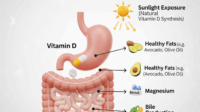
Vitamin D is often framed as a “sunshine nutrient,” but the truth is more practical: consistency matters, and breakfast is a convenient anchor. If you’ve decided to take vitamin D in the morning, pairing it with fat can help your body absorb it more effectively. Instead of treating fat as a dietary buzzword, think of it as an edible delivery system—an amphora that carries fat-soluble goodness across the digestive shoreline. Here are three high-fat breakfasts that feel satisfying, taste intentional, and support your morning routine without turning breakfast into a chore.
1) Mediterranean-Inclined Yogurt Bowl with Olive Oil & Nuts
Let’s begin with a breakfast that tastes like a small vacation. A high-fat yogurt bowl—especially one using full-fat Greek yogurt—can be a remarkably steady companion for vitamin D. The fat in yogurt supports absorption, while additional fat sources like olive oil and nuts can further improve the meal’s “fat-density.” This is not about excess indulgence; it’s about strategic satiety.
Start with a thick base: full-fat plain Greek yogurt. Its tang provides contrast to the creamy weight of fat. Next, drizzle a teaspoon (or two) of extra-virgin olive oil. It sounds unusual at first, but the flavor becomes coherent when paired with the right accents—think toasted walnuts, sliced almonds, or pistachios for crunch. Add a spoonful of honey or a scatter of berries for brightness. A pinch of flaky salt can also feel like punctuation, bringing the whole bowl into focus.
Readers can expect a content-rich experience here: it’s a recipe approach with sensory cues. The goal is to make the breakfast feel “assembled,” not improvised. Short sentences help you stay oriented: Base. Add. Balance. Taste. Then adjust. If the olive oil feels too assertive, use less next time. If you love it, keep going. The process is yours.

For uncommon efficiency, consider meal texture. High-fat breakfasts work best when you vary texture—creamy yogurt against crisp nuts, slippery olive oil against juicy fruit. That sensory layering increases the likelihood you’ll actually enjoy finishing the bowl, which matters more than perfection.
How to use it with your vitamin D: Take your vitamin D with the yogurt bowl (or immediately after). Because the meal includes fat from multiple sources—yogurt and olive oil—you’re supporting absorption while keeping appetite pleasantly restrained for the next few hours.
2) Smoked Salmon & Avocado Breakfast Plate with a Fatty Boost
If the Mediterranean bowl is a gentle sunrise, the salmon-and-avocado plate is a confident morning. This breakfast is rich in omega-3 fats, which can feel particularly nourishing when paired with vitamin D. Avocado contributes healthy monounsaturated fats and a buttery mouthfeel. Together, they create a high-fat, satisfying plate that doesn’t require a complicated cooking session.
Build it like a composition. Use smoked salmon as your centerpiece. Add avocado slices or mashed avocado. If you want an extra fatty accent, include a spoonful of full-fat cream cheese or drizzle with olive oil. A squeeze of lemon keeps everything from tasting heavy. Add capers for a briny snap; add black pepper for a mild, peppery heat; add thin-sliced cucumber for crisp coolness.
Readers can expect this section to deliver “grab-and-go realism.” Many people crave breakfast that doesn’t require a full kitchen ceremony. This plate can be assembled in minutes. It’s also flexible. Prefer eggs? Include a soft-boiled egg or scramble two eggs on the side. Eggs bring additional fat and protein, expanding satiety and making the meal more complete.
Here’s a simple narrative rule: fat needs contrast. Lemon, herbs, pickled vegetables, or even a small handful of arugula give the meal an aromatic lift. Without contrast, high-fat food can feel monotonous. With contrast, it feels dynamic—like flavors are trading notes instead of repeating the same chord.

How to use it with your vitamin D: Take vitamin D alongside the plate—ideally during the meal when fat is present in the digestive tract. The combined fats from salmon and avocado create a supportive environment without needing to add calorie-heavy starches.
3) Egg-and-Butter “Golden Skillet” with Spinach and Cheese
The third option leans into comfort while staying purposeful. Eggs are a classic breakfast foundation, and when you prepare them with butter (or another high-fat cooking medium) you create a meal that’s both cohesive and absorption-friendly. Add cheese for depth, and fold in spinach or another leafy green to bring a verdant note that keeps the plate from feeling overly rich.
Think of the skillet as a stage. Butter melts first, creating a glossy surface and a fragrant base. Then eggs go in—scrambled, softly set, or even fried with a runny yolk if you enjoy a richer texture. Cheese—such as cheddar, Gruyère, or feta—melds into the eggs and amplifies fat content. Spinach, whether sautéed briefly or folded in at the end, adds fiber and a gentle earthy flavor.
This is the section for readers who want “hands-on clarity.” Use short instructions that feel executable: Low heat. Gentle stirring. Don’t overcook. Long, contemplative sentences can live in the explanation, but the cooking steps should be crisp. Overcooking eggs can make them rubbery, and nobody wants a rubbery morning.
For an uncommon twist, add a spoonful of sour cream or crème fraîche to the eggs after they’re cooked. This creates a velvety finish, almost like a sauce that clings to each bite. Sour cream also balances the salty, savory profile that butter and cheese can create.
And while the meal is high-fat, it doesn’t have to be heavy. Portion control helps. Pair the eggs with a small serving of fruit or a simple side salad if you like. Keep the volume manageable, but allow yourself the pleasure of a breakfast that feels rich and satisfying.
How to use it with your vitamin D: Take vitamin D with this breakfast while it’s still part of your meal rhythm. The fat from butter, cheese, and egg yolks supports absorption, turning a supplement into something your morning can actually “carry.”
Closing Thoughts: Make the Pairing Effortless and Repeatable
The most effective vitamin D strategy is the one you’ll actually repeat. A high-fat breakfast doesn’t need to be elaborate; it needs to be consistent. Yogurt with olive oil and nuts, salmon with avocado, or eggs cooked in butter and finished with cheese—each offers a distinct flavor profile and a different culinary mood. Choose the one that feels most natural to you. Then let your routine do the work.
Short check-in sentence: Support absorption with fat. Longer closing sentiment: When your morning meal is enjoyable, your supplement becomes less like a task and more like a quiet ritual. That’s where results tend to live.