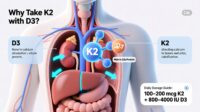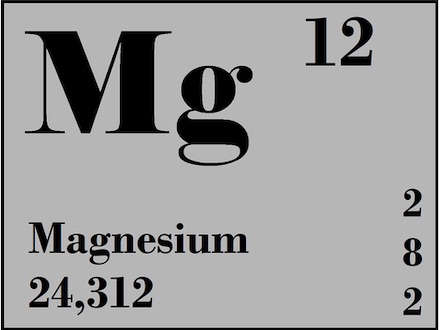
Calcium is the body’s quiet architect. It scaffolds bones, conducts nerve impulses, and helps muscles contract with precision. Yet calcium never truly “arrives” on its own—it requires a skilled courier to unlock its usefulness. That courier is vitamin D, a molecule that turns a mineral into a message, a mineral into momentum, and a mineral into strength. Think of calcium as building blocks delivered to the doorstep. Vitamin D is the master key that unlocks the doorways inside your cells, allowing the blocks to be absorbed, transported, and finally integrated where they belong.
Calcium Absorption: The Body’s Selective Doorway
Calcium absorption is not a simple matter of swallowing and hoping. It is a selective process, orchestrated with regulated traffic flow. The digestive tract—especially the small intestine—acts like a customs checkpoint. Calcium molecules are examined, escorted, and only then allowed to enter the bloodstream. This checkpoint is highly sensitive to biochemical conditions. When conditions are favorable, calcium is efficiently ushered through. When they’re not, calcium may pass through undelivered, leaving the body with a “shortfall” despite adequate dietary intake.
Absorption also depends on the body’s demand signals. Hormonal cues influence whether calcium is prioritized for bone repair or held back from circulation. In this system, vitamin D functions like a conductor with a baton, coordinating the timing and intensity of absorption so that calcium doesn’t just exist—it gets utilized.
Vitamin D as the Master Key: Gene-Driven Logistics
Vitamin D’s unique appeal lies in how it works. It doesn’t merely support calcium absorption in a vague, supportive way. It operates with a remarkably targeted mechanism. After vitamin D is activated in the body, it binds to a receptor that travels toward the cell nucleus. There, it influences gene expression—prompting the production of proteins involved in calcium transport.
In metaphorical terms, vitamin D is not a “hint” that encourages absorption. It is an instruction that rewires the cell’s intake machinery. When vitamin D levels are adequate, the intestinal lining can manufacture the right transport components. When vitamin D levels sag, calcium absorption becomes like a factory running without power: the raw materials may be present, but the assembly line cannot operate at full capacity.

From Sunlight to Activation: A Multi-Step Transformation
Vitamin D often begins its journey with sunlight exposure, but its role in calcium absorption depends on transformations that occur after it enters the body. The first step modifies vitamin D into an intermediate form. The second step—performed primarily in the liver and kidneys—converts it into its active form. This is where the “unlocking” becomes real.
The body treats vitamin D like a relay race. Even if you have enough vitamin D circulating, its active conversion may be limited if organs that perform the activation process are under strain. This is one reason vitamin D deficiency can show up in people who believe they are “healthy” or “adequately nourished.” The bottleneck is sometimes metabolic, not merely dietary.
Why Vitamin D Improves Calcium Uptake: The Transporter Effect
Once active vitamin D is available, it increases calcium absorption efficiency. It does this by increasing the abundance and function of calcium transporters in the intestinal cells. The effect is measurable: when vitamin D is sufficient, calcium absorption rises, helping maintain normal blood calcium levels and supporting long-term bone mineralization.
Another intriguing element is that the body doesn’t absorb calcium with identical urgency at all times. Vitamin D helps calibrate the absorption process to match physiological needs. This means your body is less likely to experience the “calcium scarcity illusion,” where total intake might look acceptable, but absorption fails to keep pace.
Calcium Needs Don’t End at the Gut: Hormonal Synchrony
Calcium absorption is one chapter of a longer narrative. Hormones such as parathyroid hormone (PTH) respond to blood calcium levels. If blood calcium drops, PTH helps restore balance by influencing bone resorption and adjusting kidney function. It also encourages conversion of vitamin D into its active form, which then improves intestinal absorption.
So the system is cyclical. Vitamin D supports intake from the gut, while PTH supports activation and mobilization when needed. Think of vitamin D as the first responder and PTH as the emergency coordinator—together they attempt to keep calcium stable, because stable calcium is non-negotiable for nerve signaling, muscle function, and cardiac rhythm.
The Bone Ledger: Mineralization and Long-Term Strength
Calcium is a building material, but bones are also living organs with continuous remodeling. Osteoblasts lay down new bone matrix; osteoclasts resorb and recycle components. For this remodeling to proceed effectively, the body must have adequate calcium and the right hormonal environment. Vitamin D supports calcium absorption, which ultimately contributes to bone mineral density and reduces the risk of brittle bone conditions over time.
When vitamin D is insufficient, calcium absorption may weaken, leading to a compensatory reliance on bone resorption. Over months and years, that compensation can become a quiet erosion—one that doesn’t always announce itself immediately. Strength, after all, often fails gradually.
When Vitamin D Is Low: Subtle Clues and Consequences
Vitamin D deficiency can present with a spectrum of symptoms, including fatigue, muscle weakness, bone pain, or a heightened risk of fractures. Sometimes the signs are subtle, like dust accumulating in a hidden corner. The body can compensate for a while, but the margin narrows.
Because calcium absorption depends on vitamin D, prolonged deficiency can contribute to hypocalcemia risk—though calcium levels may also be influenced by other factors like dietary patterns and individual metabolism. In a well-functioning system, the gut delivers calcium efficiently. In a deficient system, the delivery service stalls.
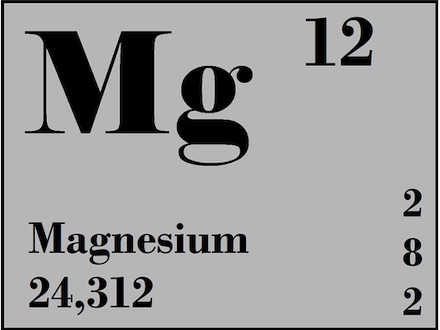
Not Alone: Mineral Networking (Magnesium’s Hidden Role)
Minerals rarely work in isolation. Magnesium, for instance, plays a supportive role in the regulation of vitamin D metabolism and calcium balance. If magnesium is low, the body may struggle to maintain optimal calcium handling—even when vitamin D is present. This is one reason some people experience persistent calcium-related issues despite adequate vitamin D intake.
Magnesium can be imagined as the tuning fork of the mineral orchestra. Without it, even a well-composed symphony may fall slightly out of pitch. The result can be complicated: absorption, activation, and utilization processes become less reliable.
Dietary Calcium vs. Vitamin D: The Partnership Strategy
Calcium intake matters, but it is not the whole story. Vitamin D is the unlock mechanism that helps ensure dietary calcium becomes usable. Milk, yogurt, cheese, fortified plant milks, leafy greens, and calcium-set tofu can supply calcium. Still, if vitamin D is inadequate, the body may not absorb calcium as effectively, diminishing the payoff.
It’s helpful to view nutrition as a relay. Calcium hands off the baton, but vitamin D carries it across the finish line—into cellular uptake and long-term structural support.
Practical Considerations: Testing, Timing, and Safety
Optimal vitamin D status is best guided by blood testing, which can determine whether supplementation is warranted. Levels can vary due to skin pigmentation, latitude, time spent indoors, age, body composition, and absorption efficiency. Dietary habits can also influence mineral status, indirectly affecting calcium handling.
Supplementation should be approached thoughtfully. Vitamin D is fat-soluble, meaning it can accumulate. That does not make it dangerous by default; it means dosing should be tailored rather than improvised. A careful plan supports calcium absorption without crossing into excess.
The Takeaway: Unlocking Calcium Is an Act of Precision
Calcium absorption is a crafted process—like a lock-and-key mechanism built into your biology. Vitamin D unlocks the doors in your intestinal cells, improves calcium transport, supports hormonal synchrony, and strengthens the long-term bone ledger. If calcium is the cornerstone, vitamin D is the scaffolding and the blueprint. Together they create stability that lasts.
When vitamin D is in good standing, calcium doesn’t just enter the body—it becomes functional, integrated, and ready for action. That transformation is the real magic: the shift from mineral presence to mineral purpose.