Ever noticed how calcium is celebrated like a hero in a superhero movie—always saving the day, always praised for strengthening bones? Now imagine the plot twist: what if calcium arrives with all the fanfare, but vitamin D never shows up to deliver it to the right place? That’s not just a minor continuity error. It can become a metabolic trap—confidently stacking “strength” on top of the wrong foundation.
So here’s the playful question that doubles as a challenge: Can calcium really “work” if vitamin D is MIA? The surprising answer is that high calcium intake without adequate vitamin D can create unintended consequences, turning a seemingly helpful strategy into a quiet, biochemical chaos.
Calcium and Vitamin D: A Two-Person Team, Not a Solo Act
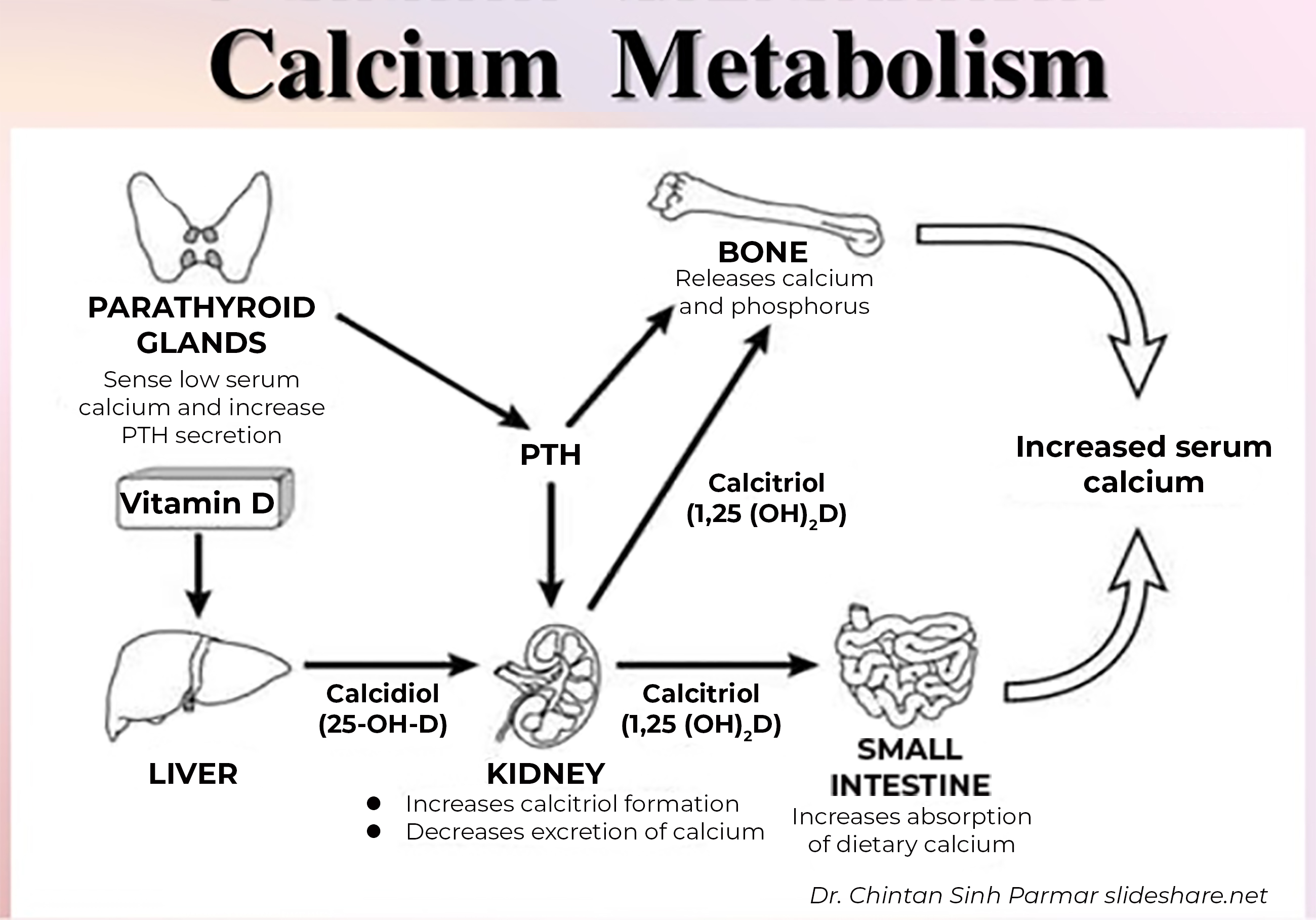
Calcium is more than a mineral floating around in your bloodstream; it is a carefully choreographed participant in muscle contraction, nerve signaling, and skeletal remodeling. Vitamin D, in turn, is the regulatory coordinator that helps your intestines absorb calcium efficiently. When vitamin D levels are insufficient, the absorption machinery becomes sluggish—less calcium is taken in through the gut.
Now picture “high calcium” as a delivery truck that keeps arriving even though the warehouse doors are half closed. More calcium may end up circulating without being properly utilized, while the body struggles to maintain the delicate balance required for nerve and muscle function.
The danger isn’t always immediate or dramatic. Often, it’s cumulative. Over time, the body’s compensations can shift the internal environment in ways that are difficult to notice—until symptoms start whispering, then shouting.
Why Elevated Calcium Can Become a Problem
When dietary calcium or supplements push calcium upward, the body attempts to regulate it through hormones—especially parathyroid hormone (PTH)—and kidney handling. However, inadequate vitamin D can interfere with the natural absorption and utilization pathway, making regulation less smooth.
In some cases, you may see a paradox: calcium levels trend higher while the “beneficial” effects on bone mineralization don’t necessarily follow. That mismatch can be confusing. People assume higher calcium equals better bone health, but physiology doesn’t operate on slogans.
Persistent imbalance can contribute to issues such as constipation, fatigue, nausea, confusion, and in more severe scenarios, effects on heart rhythm. The body is remarkably tolerant—until it abruptly isn’t.
Bone Health: The Irony of “More” That Doesn’t Mean “Stronger”
The skeleton is not a passive storage unit. It’s a living architecture that continuously remodels, repairing and rebuilding. Vitamin D supports bone mineralization by enhancing calcium absorption and helping coordinate how calcium and phosphate are deposited in bone.
If vitamin D is low, you can end up with an ironic outcome: despite high calcium intake, bone may not mineralize as effectively as expected. Instead of “reinforcing the beams,” the body may struggle to lay down calcium properly at the right sites and times.
Over time, this can contribute to a pattern where bones become more fragile than they appear to be, a subtle betrayal of expectations. Strength depends on more than the quantity of a single mineral.
Kidneys: The Filtering System Under Pressure
Your kidneys are the unsung custodians of mineral balance. They filter blood, reabsorb what the body needs, and excrete what it doesn’t. When calcium levels rise—especially without smooth absorption and hormonal balance—your kidneys can face a heavier workload.
One concern is the increased risk of kidney stones. Calcium can crystallize when urine chemistry and concentration are unfavorable. Vitamin D insufficiency complicates the story, because hormonal regulation may not keep calcium distribution and elimination perfectly aligned.
Symptoms that can accompany stone formation include flank pain, blood in urine, and urinary urgency. Some people experience stones as sudden, sharp intrusions—painful reminders that biochemistry has a sense of drama.
Blood Calcium and the Nervous System: When Signaling Gets Scrambled
Calcium is essential for electrical signaling in nerves and muscle contraction. That means blood calcium levels aren’t merely “about bones”—they are part of a broader communication network.
If calcium becomes too high, nerves and muscles can become hyperexcitable. You may notice muscle weakness, tingling sensations, or unusual cramps. In serious cases, severe hypercalcemia can lead to confusion and changes in mental status.
Even when the body doesn’t reach emergency territory, mild dysregulation can make daily life feel off-kilter—like a radio with intermittent static. You might not pinpoint the cause immediately, because the symptoms can resemble stress or general fatigue.
The Calcium–Phosphate–PTH Triangle: Hormonal Feedback Loops
Your endocrine system uses feedback loops to keep minerals within narrow ranges. PTH helps regulate calcium and phosphate balance. Vitamin D participates by supporting absorption and helping guide how the body responds to changing calcium needs.
When vitamin D is inadequate, these feedback loops can become less efficient. The result can be a less predictable hormonal pattern: calcium may be elevated or unstable, phosphate may shift, and the body’s “set points” can wobble. This isn’t a villainous plot—it’s a physiological negotiation that can become stressful.
The danger lies in how easily supplementation habits can accidentally tip the balance. A person may take calcium “for bones,” while the actual bottleneck is vitamin D—leading to an imbalance rather than resolution.
Who Is Most Likely to Encounter This Risk?
Some groups are more vulnerable to the calcium-without-vitamin-D scenario. People with limited sun exposure, darker skin tones, older age, malabsorption conditions, or certain dietary patterns may struggle to maintain adequate vitamin D.
Additionally, individuals who take high-dose calcium supplements—especially without medical guidance—can be more exposed to electrolyte imbalance. Kidney disease, endocrine disorders, and certain medications can also influence mineral handling.
Risk is not identical for everyone. But the theme is consistent: when vitamin D is low, calcium intake may become a lever that moves the wrong dial.
How to Think About Supplementation Without Playing Roulette
Before increasing calcium intake, it helps to ask a smarter question than “How much calcium?” The better question is: “What is vitamin D doing right now?” Testing can clarify vitamin D status, while calcium levels and sometimes phosphate may be assessed to understand the current equilibrium.
In many circumstances, vitamin D support improves calcium absorption and bone outcomes more reliably than raising calcium alone. That doesn’t mean calcium is irrelevant. It means calcium works best when the supporting regulatory infrastructure—vitamin D—is present.
If supplements are being considered, it’s wise to approach with intention. Long-term megadoses, without monitoring, can be like driving with your eyes on the speedometer while ignoring the road conditions.
Practical Warning Signs: When Your Body Sends Alerts
It’s not always possible to detect imbalance instantly, but certain symptoms may suggest that calcium handling is off. Constipation, nausea, increased thirst, frequent urination, lethargy, muscle weakness, or mental fog can be potential signals.
If symptoms are pronounced—especially if there’s dehydration, kidney disease history, or supplement use—prompt evaluation is advisable. The goal is not fear; it’s clarity.
Also, beware of a common misconception: “If I feel fine, it must be fine.” Mineral imbalances can be stealthy, emerging gradually as the body compensates until it can’t.
Closing Challenge: The Smart Question to Ask Before You Add Calcium
Here’s the challenge again, now sharpened into a decision rule: Don’t treat calcium as a standalone solution. If vitamin D is insufficient, high calcium can become an unhelpful cargo—more burden than benefit.
Consider this a healthier narrative: bone health is not a single ingredient recipe. It’s a choreography of absorption, regulation, and mineral placement. Vitamin D often plays the role of the stage manager, ensuring calcium gets used where it’s meant to be.
Playful thought to end on: Calcium without vitamin D can be like a key that fits the lock—but no one has oiled the hinges. The motion feels familiar, yet the outcome refuses to cooperate.