Winter has a peculiar way of turning “just one more day” into “why is my energy inventory running low?” You move a little less, you eat a little differently, and suddenly the mirror seems to deliver unsolicited feedback. But have you ever wondered whether vitamin D—often treated like an afterthought in autumn—might be quietly involved in winter weight management?
Why Winter Feels Heavier Than It Should
As the days shorten, sunlight becomes scarce and your skin manufactures less vitamin D. This seasonal pivot can nudge your body toward a lower-energy mode. Some people notice that workouts feel harder, while others experience cravings that seem to arrive like an unexpected weather system. The challenge is not only behavioral; it can be biological too.
Vitamin D is sometimes described as “sunshine support,” yet its influence is broader than many realize. It participates in immune regulation, musculoskeletal function, and metabolic processes that shape how your body stores and uses energy. When winter reduces vitamin D availability, the downstream effects can be subtle at first—then oddly persistent.
The Playful Question: Are You Outsourcing Motivation to the Sun?
Imagine your body as a well-tuned orchestra. In winter, the conductor (sunlight) steps back, and suddenly rehearsals feel less rhythmic. You might blame everything on cold air and dark evenings, and yes, those factors matter. Still, there’s a twist: vitamin D supports muscle performance and physical activity readiness. If your muscles feel sluggish, you may move less. Less movement, in turn, can make weight management feel like pushing a heavy door that never quite opens smoothly.
So here’s the potential challenge: you can follow your plan perfectly, yet your motivation might wobble because your body’s “movement engine” isn’t operating at full thermostat settings.
Vitamin D, Muscles, and the “Movement Gravity” Effect
Winter reduces outdoor time, and vitamin D deficiency can magnify the slump. Muscles rely on adequate vitamin D for optimal function. When levels are low, individuals may experience reduced strength, slower recovery, and less comfortable training. It’s not just about feeling sore; it’s about how efficiently your body generates force.
That matters for weight management because energy expenditure is partly built through muscle activity. Even non-exercise movement—walking, climbing stairs, carrying groceries—depends on muscle readiness. If your body feels less capable, your daily motion can quietly shrink, and the calorie equation begins to tilt.
Think of vitamin D as a backstage crew member: not always visible, but essential for the show to run on time.
Metabolism, Insulin Sensitivity, and Winter’s Nutritional Trap
Winter often brings an uptick in comfort foods—richer meals, more desserts, and fewer high-fiber choices. Meanwhile, low vitamin D status may influence metabolic pathways involved in glucose handling. Some evidence suggests that vitamin D relates to insulin sensitivity, which can affect how efficiently the body uses carbohydrates.
When insulin sensitivity worsens, the body may store more energy and feel less in control after meals. That doesn’t mean vitamin D is a magic lever. It means that maintaining adequate vitamin D could help your metabolic “gearbox” shift more smoothly, particularly during a season when habits drift.
In short: nutrition may be the obvious battleground, but vitamin D can be part of the defensive infrastructure.
Inflammation, Immunity, and the Energy Drain Nobody Talks About
Cold weather can correlate with more frequent sniffles and a general feeling of being run down. Vitamin D plays roles in immune regulation, and when vitamin D is low, inflammation-related signals may become less balanced. Chronic low-grade inflammation can feel like fatigue, heaviness, and reduced stamina.
This is a sneaky issue for weight management because persistent fatigue discourages consistent activity. When energy is scarce, people often seek quick-calorie comfort. The cycle forms: low activity → weaker conditioning → greater fatigue → more cravings → less activity.
Rest is important. Sleep quality also becomes pivotal. But vitamin D sufficiency may provide an additional layer of support so you can feel steady enough to follow through.
Sunlight, Geography, and the “Hidden Shortfall” Problem
It’s easy to assume vitamin D is “there” in winter because the sky still looks bright sometimes. Yet the angle of the sun, time spent outside, cloud cover, and skin exposure can limit production. Many people wear longer sleeves, stay indoors, or use sunscreen consistently—habits that are generally good—while still ending up with inadequate vitamin D.
The hidden shortfall happens when you don’t feel the deficiency right away. There’s no instant alarm. Instead, the body adapts gradually: reduced vitality, lower muscle performance, mood fluctuations, and more difficulty maintaining routine.
Location matters. Lifestyle matters even more. The point is not to panic—it’s to notice patterns.
Dietary Sources: Think Beyond the Usual Suspects
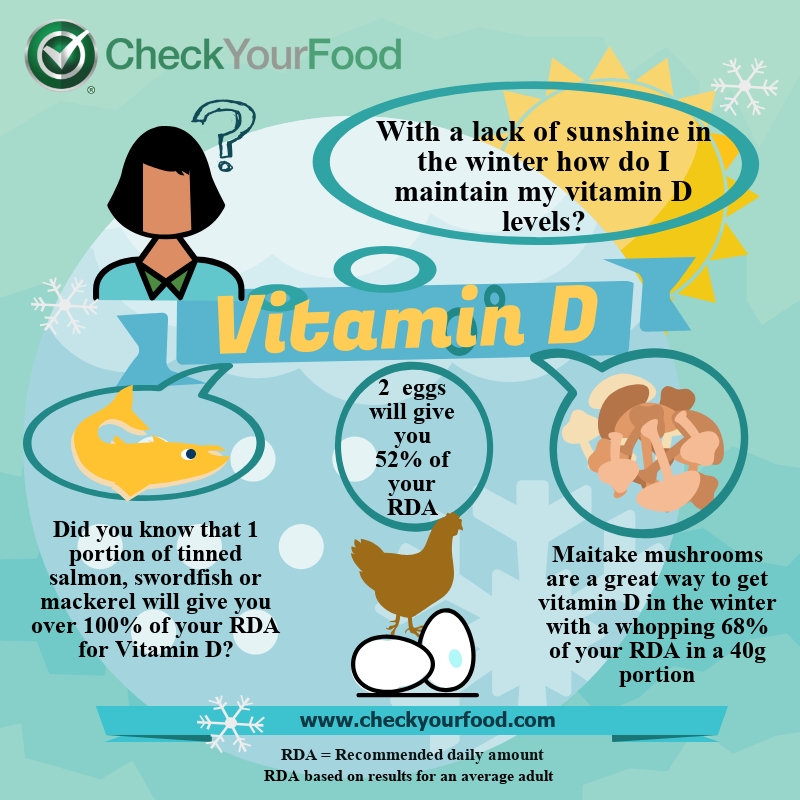
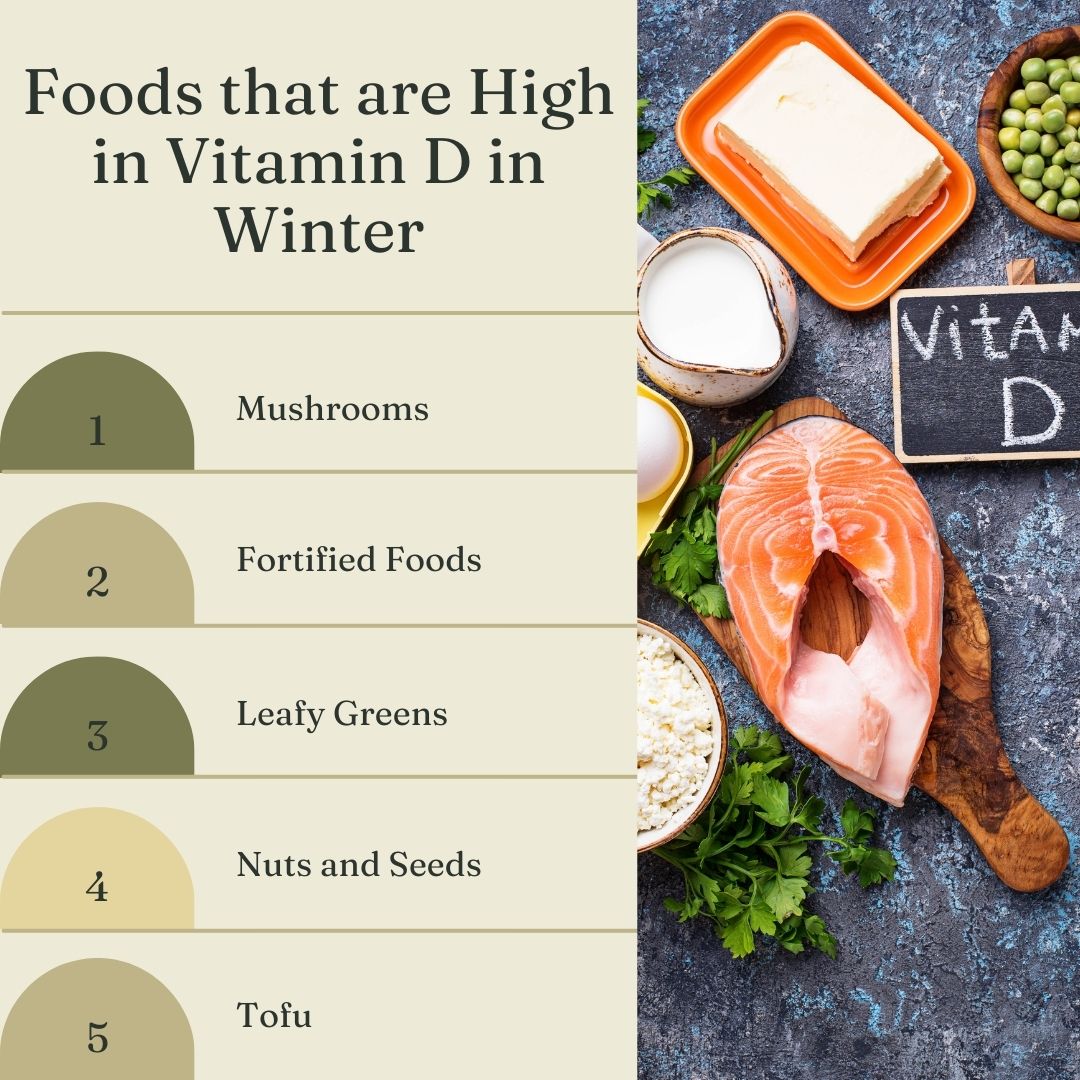
Vitamin D can be obtained from food, though many diets fall short in winter. Fatty fish such as salmon, sardines, and mackerel can contribute meaningful amounts. Egg yolks and fortified dairy or plant milks are also common sources. Some fortified cereals and yogurts can help, too.
Here’s a practical thought: rather than waiting for a “perfect meal,” build small, repeatable habits. Add one vitamin D-rich item to a routine breakfast or rotate a fish option into weekly planning.
Diet alone may not always cover needs, especially in low-sun regions or for people who spend little time outdoors. But it can absolutely reduce the gap and support overall winter strategy.
Supplementation: A Tool, Not a Trap
Vitamin D supplements can help when sunlight and diet aren’t enough. However, dosage should be handled thoughtfully. Too little may do little; too much can be harmful. The most sensible approach is to consider blood testing and professional guidance, especially for individuals with higher risk of deficiency.
A challenge many people face is “guessing.” They choose a supplement, take it irregularly, and then wonder why energy doesn’t improve. Consistency matters. Timing can matter too—taking vitamin D with a meal that includes fat may enhance absorption for many people.
Think of supplementation as tuning a system. Accurate measurement and steady adherence typically outperform random adjustments.
Coupling Vitamin D with Winter Habits That Actually Move the Needle
Vitamin D supports the body’s ability to function. But winter weight management still requires a living plan: movement, protein balance, fiber, hydration, and sleep. If your only strategy is “take something and hope,” you miss the synergy.
Pair vitamin D support with resistance training, brisk walks, or indoor strength sessions. Even short intervals matter. Combine that with meals that prioritize protein and plants. Keep treats intentional rather than reactive. And protect sleep—winter can steal it with extra stress or earlier sunsets.
When vitamin D is adequate, exercise may feel less like a chore and more like an investment. That difference changes everything.

Closing Thought: A Winter Strategy with a Longer Horizon
Weight management in winter is not only a test of willpower; it’s a test of physiology and routine. Vitamin D can be one of the missing puzzle pieces—especially when reduced sunlight nudges the body toward sluggish muscle performance, fatigue, and metabolic shifts.
The most useful mindset is not dramatic transformation. It’s incremental alignment: assess your status, support with food, consider supplementation carefully if needed, and keep your movement consistent. Winter may be a season of darker mornings, but it doesn’t have to be a season of stalled progress.
So, that playful question comes back one more time: are you ready to stop outsourcing your winter momentum to sunshine alone—and start supporting your body from within?