Vitamin D has a particular way of making people curious. Perhaps it’s the name itself—sunshine bottled into a supplement—or the sense that timing might turn a simple tablet into something more consequential. And then there’s the recurring question: Should I eat fat when I’m taking Vitamin D, and does it matter if I do it before, during, or after? The observation is common, yet the reasons behind it are deeper than most quick health guides reveal. To understand the “fat timing” puzzle, it helps to look at how Vitamin D travels, how digestion behaves, and why the human body is not a passive recipient of nutrients but an active conductor of biochemical choreography.
Why Vitamin D and Fat Feel Like a Matched Pair
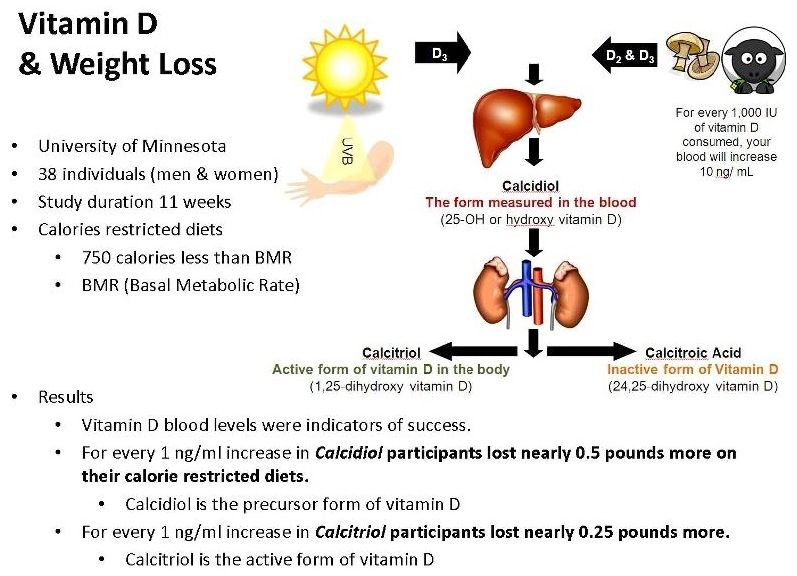
Vitamin D is a fat-soluble vitamin. That means it prefers the company of dietary lipids rather than watery fluids. In practical terms, fat helps Vitamin D dissolve and move through the digestive tract more efficiently. Without enough fat, absorption can become inconsistent—like trying to deliver a letter without knowing which mailbox to use.
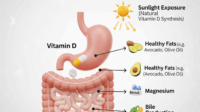
This is where a common observation emerges: people notice that taking Vitamin D “works better” when taken with a meal. The fascination is understandable. It feels almost like a hack—add fat, improve absorption. But the deeper reason is that fat also stimulates bile release and supports the formation of transport systems that Vitamin D can hitch a ride on. Think of it as upgrading the delivery network, not just adding an ingredient.
The Before Window: Eating Fat Before Vitamin D
Taking Vitamin D before a fatty meal sounds intuitive to some—get the capsule in first, let the body do the rest. Yet timing can be less straightforward. If fat hasn’t arrived in the digestive system, absorption may lag. Vitamin D needs the intestinal environment to be ready, and that readiness is often influenced by what you’re eating and when.
If you take Vitamin D shortly before eating, you may still benefit, especially if your meal follows soon after. However, “soon” matters. A meal that arrives within a typical digestion window can provide the bile and lipid carriers that Vitamin D requires. When fat appears at the right moment, the process feels smoother—less friction, more efficient uptake.
Consider this practical approach: take Vitamin D 10–30 minutes before a meal that includes healthy fats, particularly if you’re someone who rarely eats fat at all. Your body benefits from a predictable rhythm rather than an abrupt interruption. Short sentences are useful here: timing is choreography, not luck.
The During Window: Pairing Vitamin D With a Fat-Containing Meal
For many people, the “during” strategy is the most reliable. When Vitamin D is taken with food, absorption has immediate access to the supportive conditions created by that meal. Fat triggers several digestive responses—bile flow, micelle formation, and transport pathways—helping Vitamin D integrate into the system more effectively.
This is likely why the advice “take it with your largest meal” appears so often. It’s not superstition; it’s physiology. A larger meal tends to contain more nutrients and often more fat, which can create a more robust absorption environment. The fascination, again, is understandable: it feels like a simple rule that delivers measurable reassurance.
To make this method work, focus on meal composition. You don’t need to turn dinner into a fatty feast. Instead, include moderate, well-tolerated sources such as olive oil, avocado, nuts, seeds, or salmon. Even yogurt can contribute depending on its fat content. Your digestion will “notice” the presence of fat and respond accordingly.

The After Window: Taking Vitamin D After Eating Fat
After-meal timing is where many people start asking nuanced questions. If you already ate a fatty meal, does taking Vitamin D afterward still help? Often, yes—because digestion continues. Fat and bile activity don’t switch off the moment you finish chewing.
However, there’s a subtle trade-off. The closer your supplement is to the moment when fat is still actively being processed, the more likely absorption will align with the most favorable conditions. If you take Vitamin D long after a meal, the “window” of optimal digestive support may narrow.
As a gentle rule of thumb, consider taking Vitamin D within roughly the same meal period. If you want to take it after, do so soon after you’re done eating rather than hours later. If you prefer an evening routine, choose a post-meal time that’s consistent and not separated by long stretches without food.
How Much Fat Is Enough? The Myth of “More Is Better”
Some people hear “fat-soluble” and assume they must maximize dietary fat. This is where deeper reasoning matters. The goal is not excess; it’s adequacy. Your body needs sufficient lipids to facilitate absorption, but too much fat can make digestion slower or uncomfortable—especially for those prone to reflux, gallbladder issues, or sensitive gastrointestinal patterns.
A balanced intake of healthy fats is typically more effective than a heavy, greasy approach. Imagine the digestive process as a river route: you need enough water to float the cargo, not a flood that complicates the journey. Using moderate fat sources is often the most pragmatic compromise.
If your meals are naturally low-fat, pairing Vitamin D with a small portion of fat—like a spoon of olive oil on salad, a handful of nuts, or a few slices of avocado—can help create the absorption conditions without overhauling your diet.
Different People, Different Patterns: What Matters Beyond Timing
Timing and fat are major players, but not the only ones. Absorption can vary depending on the form of Vitamin D, your baseline vitamin status, gut health, and even how regularly you eat. A person who frequently skips meals may experience more variability than someone with consistent meal patterns.
Body chemistry also has opinions. Conditions affecting fat digestion or bile production—such as certain gastrointestinal disorders or bile flow abnormalities—can change how well Vitamin D is absorbed regardless of timing. If Vitamin D levels remain low despite good adherence to meal pairing, it may be worth discussing evaluation options with a clinician.
It’s also worth noting that consistency often beats perfection. A reliable routine—mealtime pairing, similar portioning, and steady intake—helps your body learn the pattern and respond with less unpredictability.
Morning vs Evening: Does the Clock Beat the Plate?
People often ask whether Vitamin D works better in the morning or at night. Fat pairing tends to be the more controllable variable. Still, daily schedule matters for adherence. If you take Vitamin D with breakfast and you reliably eat with it, the timing becomes “best” simply because it’s sustainable.
Some individuals prefer evening routines because digestion is less rushed, meals are more planned, and compliance improves. Others find morning easier. Neither is inherently superior; the body responds best when the strategy you choose you can keep doing.
Longer sentences can be helpful here, because the idea is layered: the “best” time is often the one that consistently creates an absorption-friendly meal environment for your personal life.
Common Mistakes: When Fat Timing Quietly Fails
Several missteps show up repeatedly. Taking Vitamin D on an empty stomach is the most common. Another is pairing it with a meal that looks substantial but is actually low-fat. A smoothie-only breakfast or a lean protein bowl without any dietary fat can be deceiving.
There’s also the “inconsistent routine” problem. If you sometimes take Vitamin D with meals and other times without, your absorption may fluctuate. Over time, that inconsistency can feel frustrating—especially when you’re monitoring results through labs.
Finally, some people forget that supplement form matters. If you’re using a dropper or gelcap, the fat context may interact with formulation. Always follow labeling guidance and consider whether your product is designed to be taken with food.
Before, During, After: A Practical Decision Framework
If you want a clean takeaway, here’s a decision framework that respects both simplicity and nuance. For most people, taking Vitamin D during a fat-containing meal is the most dependable option. If that’s inconvenient, taking it shortly before a meal with healthy fats can still work. Taking it after a meal may remain effective if done soon enough to align with ongoing digestion.
Whatever you choose, aim for consistency and moderate fat sources. Healthy fats are not just “assistants”—they are enabling conditions for a fat-soluble nutrient. The deeper fascination is that the body’s absorption system is not a passive mailbox; it’s a living logistics network that responds to what you eat and when you eat it.
Closing Thoughts: Make Timing a Ritual, Not a Guess
Vitamin D and dietary fat are connected by more than a slogan. They share a biological infrastructure: digestion, bile activity, lipid transport, and absorption pathways that respond to meal context. When you pair them intentionally—before, during, or after—you’re not just taking a supplement; you’re shaping the environment in which it can actually be used.
Choose the pattern that fits your day, then repeat it with calm reliability. In the long run, that steady ritual is often the difference between “I took it” and “I benefitted from it.”