Vitamin D is often treated like a background player—something you “might” need. Yet when it slips into deficiency, your body doesn’t quietly suffer behind the scenes. It communicates. Sometimes, the message shows up right where you can see it: on your face. Not every facial change means low vitamin D, but a cluster of signs can feel like a breadcrumb trail. Consider this a gentle invitation to look closer, not in panic, but with curiosity—because awareness is the first lever you can actually pull.
Why Your Face Can Become a Bulletin Board
Your skin and immune system are in constant dialogue. Vitamin D participates in both. It supports keratinocyte regulation, modulates inflammatory signaling, and influences how the immune system behaves during everyday stressors. When vitamin D levels are chronically low, the result can be a kind of biochemical “weather pattern” that affects complexion and texture.
Think of vitamin D as a conductor. Without enough of it, the orchestra may still play, but the timing becomes less coordinated. That misalignment can surface as dryness, dullness, sensitivity, or changes in the way your skin responds to environmental triggers.
Before we get specific, it helps to frame an important perspective shift: facial signs are rarely singular. They are more like chapters. Vitamin D deficiency may be one chapter among others—sleep, sun avoidance, hormonal shifts, nutrition patterns, and skin type can all contribute. Still, when facial changes appear repeatedly and in tandem, it’s worth asking whether vitamin D could be part of the plot.
1) Persistent Dryness and “Ashy” Texture That Won’t Budge
One of the most visible signs of potential vitamin D deficiency is stubborn dryness. Not the occasional tightness you get after winter air or a hot shower—this is dryness that lingers, even when you moisturize diligently.
Vitamin D supports skin barrier function. When levels are low, the skin can become less adept at retaining water. The surface then looks more irregular, sometimes with a slightly ashy or flaky cast. The cheeks may feel rough to the touch. Makeup might cling unevenly. Even mild cleansing can seem to “strip” your face faster than it used to.
Pay attention to the pattern. Is dryness more consistent than seasonal? Does it worsen despite hydrating serums, barrier creams, and gentle cleansers? When dryness behaves like an uninvited permanent resident, it’s worth exploring internal contributors, including vitamin D.

2) Increased Redness, Irritation, or Flare-Like Sensitivity
Another facial clue can be heightened reactivity—redness, irritation, or a tendency for your skin to flare. Some people notice it as a persistent glow that’s actually inflammation. Others experience patches of redness that come and go, resembling a repeating cycle.
Vitamin D has an immunomodulatory role. In practical terms, that means it helps regulate inflammatory responses. When deficiency is present, the skin’s immune behavior may tilt toward overactivity. The result can look like hypersensitivity: your face protests more easily. A new moisturizer stings. The weather changes and your complexion responds immediately. You may also notice that certain triggers—heat, friction, sun exposure, or stress—seem to hit harder than before.
This is where perception becomes powerful. Instead of asking, “What product can I buy next?” try asking, “What system might be out of alignment?” Irritation that refuses to settle often signals something deeper than a superficial issue.

3) A Dull, Uneven Complexion and Slower Skin Repair
Vitamin D deficiency may also show up as a complexion that looks muted or uneven. Dullness isn’t always about lack of exfoliation. Sometimes it reflects impaired cellular rhythms and altered inflammatory control. If your face seems “tired” even when you’re sleeping and eating reasonably well, vitamin D could be part of the explanation.
Slower skin repair is another potential signal. You may notice that small blemishes take longer to settle, that marks linger, or that your skin doesn’t bounce back after irritation as quickly as it used to. This can be subtle at first—barely noticeable—until you compare current behavior with earlier versions of yourself.
There’s also a psychological aspect to this third sign. When people feel their skin isn’t responding, they often start blaming themselves—more coffee, more stress, “bad genetics,” “getting older.” But the truth can be more actionable. A deficiency is not a character flaw. It’s a measurable imbalance. And measured imbalances can be addressed.
Common Context Clues: Who Is More Likely to Be Low?
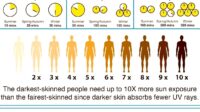
Facial signs are clues, but context makes them meaningful. You may be at higher risk if you get limited sun exposure—especially during months when UVB is weaker. Some people cover most of their skin for cultural, occupational, or personal reasons. Others spend the majority of their time indoors. Darker skin pigmentation can also reduce cutaneous vitamin D production at the same UV intensity. Age can play a role too, because the skin’s synthesis efficiency tends to decline over time.
Diet matters as well. Vitamin D is not abundant in many everyday foods. People with limited intake of fatty fish, fortified dairy, or fortified alternatives may struggle to maintain adequate levels. Malabsorption conditions, certain medications, and chronic gut issues can also interfere with absorption.
In other words: your face may be reflecting a larger equation. When you consider the whole formula, the signs become less mysterious—and more solvable.
What to Do Next: Testing, Not Guessing
If you suspect vitamin D deficiency, the most reliable path is a blood test measuring 25-hydroxyvitamin D. Symptoms alone can be suggestive, but they rarely confirm. A lab result provides clarity, and clarity provides direction. It transforms worry into a plan.
If levels are low, clinicians typically recommend an individualized supplementation approach. Some people need daily dosing; others respond better to periodic higher-dose regimens. The right choice depends on severity, body size, baseline levels, and medical history.
During supplementation, facial changes may take time. Skin is not a light switch. It’s a living interface. Still, as vitamin D improves, the odds increase that dryness, irritation tendency, and dullness may gradually soften.
Shift in Perspective: Treat the Pattern, Not the Symptom
The most helpful mindset is a shift from reactive skincare to systemic alignment. Yes, you can support your skin externally with a barrier-first routine—gentle cleansing, moisturization, and sun protection. But you can also address potential internal causes that influence how your skin behaves.
When you treat the pattern, your skin stops feeling like a mystery. It becomes a conversation: dryness tells one story, redness another, and delayed repair a third. And when vitamin D is part of the conversation, the opportunity is not just to improve appearance—it’s to restore comfort and resilience.
When to Seek Medical Attention
Facial changes are common, but certain circumstances deserve faster evaluation. If redness becomes intense, spreads rapidly, is accompanied by pain, or occurs with other systemic symptoms, professional care is wise. If you have a known medical condition affecting absorption, are pregnant, or take medications that influence vitamin D metabolism, consider discussing testing sooner rather than later.
Your face may be showing signs, but you don’t need to shoulder the interpretation alone. A clinician can connect the visible dots to the invisible factors behind them.
Vitamin D deficiency signs can be subtle, yet visible enough to notice—especially when multiple signs overlap. Dryness that lingers. Redness that flares. A dull complexion and slower repair. When these appear together, they can nudge you toward a smarter question: not “What’s wrong with my skin?” but “What’s missing from the system that supports it?”