Vitamin D is the body’s quiet architect—small, steady, and surprisingly powerful. It helps tune immune rhythms, supports bone mineralization, and keeps calcium metabolism from turning into a chaotic concerto. Yet, like any essential ingredient, too much can tip into the realm of toxicity. The intriguing question isn’t whether vitamin D can harm you in principle—it can. The rare question is whether you can actually get vitamin D toxicity from fortified foods alone. For most people, the answer is a measured “almost never,” though there are exceptions that turn this topic into a fascinating cautionary tale.
Vitamin D Toxicity: When the Sunshine Becomes Overzealous
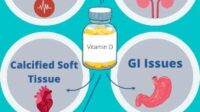
Vitamin D toxicity most often arises from excessive intake leading to hypercalcemia—an elevated calcium level in the blood. Calcium isn’t merely a structural substance; it’s also a signaling courier. When calcium overshoots, the body struggles to keep electrical impulses, kidney filtration, and vascular tone in balance.
Symptoms can appear deceptively non-specific at first: nausea, constipation, fatigue, confusion, and muscle weakness. Then a louder alarm can follow—kidney stones or kidney dysfunction. The narrative arc is important: toxicity is rarely immediate. It’s usually the result of prolonged overexposure, where vitamin D behaves like a slow-building tide rather than a sudden wave.
Fortified Foods: The “Seed vs. Storm” Question
Fortified foods are engineered to provide a predictable amount of vitamin D—like giving your body a measured sip instead of a full pitcher. Common examples include milk, some plant-based milks, breakfast cereals, and fortified yogurts. For the majority of consumers, these servings provide modest daily contributions that support deficiency prevention rather than excess creation.
Vitamin D toxicity typically requires far higher sustained intake than what fortification usually delivers. Think of it as the difference between sprinkling salt on a dish and trying to salt an ocean. Fortification is designed to move you from “low” to “adequate,” not from “adequate” to “dangerously high.”
Still, the body doesn’t live on marketing labels alone. If fortified foods are paired with supplements—especially high-dose vitamin D preparations—the risk landscape changes dramatically.
How Much Vitamin D Is “Too Much”? Understanding the Threshold
There is a practical ceiling commonly referenced for long-term intake: the tolerable upper intake level for adults is often cited as 4,000 IU (100 mcg) per day. Toxicity is more likely when intake exceeds this consistently, particularly through supplements rather than food fortification.
Fortified foods can contribute significant quantities, but the likelihood that they alone push someone beyond that threshold is low. The logic is arithmetic and cumulative. A person would need unusually high consumption of multiple fortified products, day after day, without any other moderating factors.
In rare scenarios, medical conditions affecting vitamin D metabolism or sensitivity can reduce the margin of safety. That’s when an otherwise “small” amount may become a bigger piece of a larger puzzle.
The Rare Pathways: When Fortified Food Isn’t the Whole Story
Even if fortified foods are involved, vitamin D toxicity typically emerges through one of these less common pathways:
1) Supplement stacking: Someone may use a multivitamin, a separate vitamin D product, and then also consume multiple fortified foods. The combined intake can quietly escalate.
2) High-dose fortification practices: Some regions, products, or dietary patterns may result in higher-than-expected vitamin D intake, especially when labels are overlooked or serving sizes are misunderstood.
3) Medical drivers: Certain conditions can increase vitamin D activation in the body. Examples include some granulomatous diseases, where the immune system can unintentionally amplify vitamin D’s effects.
4) Kidney involvement: If kidney function is impaired, the body may struggle to manage calcium and vitamin D metabolites effectively.
These scenarios are rare. But they turn the question from “Can it happen?” into “Under what unusual constellation of circumstances?”
Signs Your Body May Be Receiving Too Much Calcium
Toxicity is usually less about vitamin D as a concept and more about its downstream outcome: hypercalcemia and related metabolic disruption. Early signs can be subtle and easily misattributed to stress or gastrointestinal issues.
Common symptoms include persistent nausea, appetite loss, vomiting, constipation, thirst, and frequent urination. Neurological symptoms like confusion or unusual fatigue can occur when calcium disrupts normal nerve signaling. In more advanced cases, kidney stones may form—an event that often carries a sharp, memorable pain before it’s ever connected to nutrition.
If symptoms cluster and labs confirm elevated calcium and vitamin D metabolites, clinicians may reassess all sources—fortified foods, supplements, and even fortified drinks that don’t feel like “supplement territory.”
Testing and Confirmation: Let Lab Values Tell the Story
When toxicity is suspected, medical evaluation usually involves blood tests such as serum calcium and 25-hydroxyvitamin D. Sometimes additional labs are considered, including kidney function markers and related calcium-regulating hormones.
It’s tempting to self-diagnose based on symptoms alone. However, the body can mimic itself—dehydration, thyroid dysfunction, and other metabolic issues can present with overlapping symptoms. Testing is the spotlight that clarifies which subplot is actually unfolding.
How to Stay Safe Without Fear: A “Practical Balance” Approach
Healthy nutrition is rarely about elimination; it’s about calibration. If you consume fortified foods, it usually helps to avoid doubling the same nutrient through multiple supplements unless guided by a clinician. Reading labels is surprisingly empowering. Serving size, vitamin D per serving, and total daily intake can be made visible with a little arithmetic.
If you’re concerned about deficiency—especially during winter or with limited sun exposure—consider discussing your needs with a professional rather than guessing doses. A targeted plan is often more elegant than a blunt, high-dose strategy.
For many people, the best outcome is not “maximizing vitamin D,” but achieving sufficiency with minimal risk: enough to support bone and immune function, not enough to become a biochemical overreach.
Unique Appeal: The Sunshine That Requires a Steady Hand
Vitamin D has a poetic dual identity. It can be earned through sunlight, crafted through the body’s biochemistry, and obtained through fortified foods. Yet this versatility is exactly why people can underestimate dosage. The narrative becomes alluring: “Why not add more?” But biology prefers restraint.
Fortified foods are a dependable bridge across seasons and dietary gaps. Still, they are not a free pass to oversupply. Their unique appeal lies in reliability—not in excess. The rare toxicity case is a reminder that every reliable tool can become dangerous when used without boundaries.
A Quick Visual Reminder: Measure Before You Multiply
Fortified products are often packaged with clear nutrient information. A quick label check—especially when supplements are also part of the routine—can prevent the slow drift toward excessive intake.

Nutrition is not unlike any well-engineered system: flow matters, timing matters, and oversupply can distort the entire operation. Vitamin D toxicity is rare because fortified foods are typically modest—but vigilance becomes especially valuable when multiple sources stack together.
Bottom Line: Rare From Fortified Foods Alone, but Not Impossible
Yes, vitamin D toxicity is possible in theory, and it can manifest from elevated vitamin D intake. In practice, however, toxicity from fortified foods alone is uncommon. The usual path involves supplements, unusually high consumption, underlying medical conditions, or impaired regulation of calcium and vitamin D metabolism.
Approach vitamin D with confidence, not panic. Fortified foods can be a steady, helpful ally. The rare toxicity story is less a frequent warning and more a reminder: essential nutrients deserve measured respect, like a flame kept warm and controlled rather than a wildfire invited indoors.