For years, vitamin D has been discussed as if it were a simple on–off switch: take more, feel better. But the story is more nuanced—and more interesting. The “safe maximum” daily dose isn’t a magic number. It’s a boundary drawn by biology, physiology, and the way your body regulates calcium. Step closer, and you’ll find a shift in perspective: vitamin D isn’t merely a supplement. It’s a hormone precursor with a long tail of effects, one that can be profoundly helpful at the right dose and quietly problematic when overshot.
Why “Maximum Dose” Feels Like a Contradiction
When people hear “maximum daily dose,” they often imagine an absolute ceiling—like a cliff you either jump off or don’t. In reality, it’s closer to a dimmer switch. Vitamin D has a spectrum of outcomes depending on baseline status, absorption, body weight, sun exposure, and existing calcium metabolism.
Most adults don’t start at the same place. Two people taking identical capsules can experience different blood levels. One may rise comfortably into an optimal range; the other might drift toward a territory where excess calcium becomes the concern. That’s why “safe maximum” isn’t meant to be used as a target. It’s meant to be used as a perimeter.
The Vitamin D Form That Matters More Than People Think
Vitamin D primarily arrives as D3 (cholecalciferol) from sunlight and supplements. Your liver first converts it into a storage-friendly form, then the kidneys and other tissues help produce the active signals that influence calcium handling and many cellular processes.
Because this activation is gradual and layered, vitamin D doesn’t behave like a short-acting vitamin. It accumulates. So the “maximum daily dose” question is really a question about long-term accumulation and how your body reacts over time.
How Your Body Prevents—and Sometimes Fails to Prevent—Overage
Your body has regulatory systems. When calcium rises too high, signaling pathways adjust absorption and excretion. But these systems are not infinite. The most common reason excess becomes an issue is not simply “too much vitamin D exists,” but that it can tip calcium balance.
In practical terms, excessive vitamin D may lead to hypercalcemia (too much calcium in the blood), which can then trigger downstream effects throughout the body. The unsettling part is that the early signals can be subtle: fatigue, thirst, frequent urination, constipation, nausea. The story becomes more urgent if it’s sustained.
The Real Meaning of “Safe Maximum Daily Dose” for Most Adults
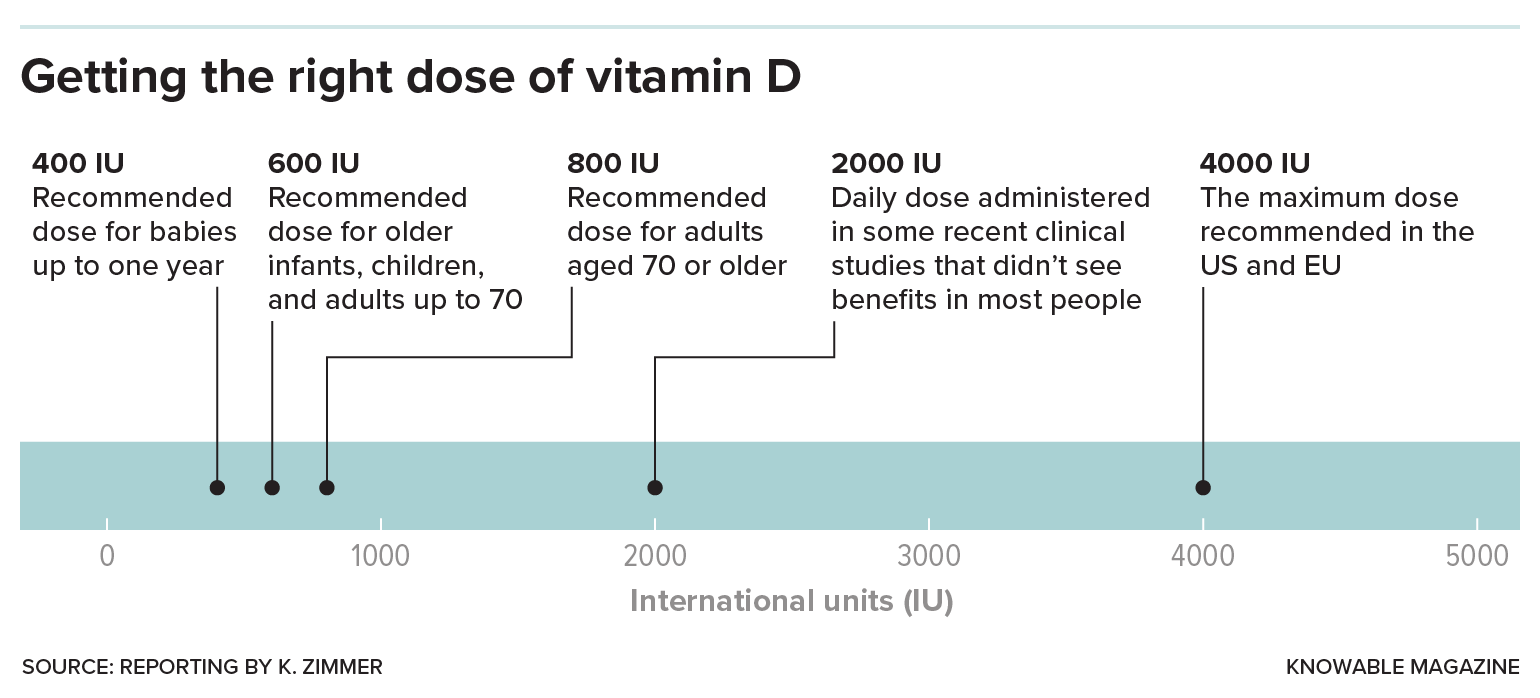
For most healthy adults, the safe maximum daily dose is generally set to reduce risk while still allowing people to correct deficiency or maintain adequate levels. Many public health recommendations place the upper limit in the range of thousands of IU per day, with higher doses typically reserved for monitored circumstances.
However, “safe for most adults” carries a hidden condition: most adults don’t all have adequate baseline vitamin D stores, and most adults don’t all get the same sun exposure. This is the perspective shift—safety isn’t just about the number on the bottle. It’s about your starting point and how your body responds.
What Happens When You Overshoot: Symptoms and Physiological Fallout
Too much vitamin D can be likened to turning up a thermostat that controls more than room temperature. Calcium metabolism is downstream from vitamin D signaling, so excess can disturb fluid balance and tissue function.
Possible symptoms can include:
– Persistent nausea or stomach discomfort
– Increased thirst and urination
– Constipation and reduced appetite
– Weakness, confusion, or muscle aches
– In more serious cases, kidney strain from calcium deposits
Not everyone experiences obvious symptoms immediately. That’s why monitoring matters, especially when doses approach the upper limits or when supplementation continues for months.
Typical Safety Ranges: How to Think in “Intervals,” Not Absolutes
Instead of focusing on a single dose, it can be more accurate—and more empowering—to think in intervals. Consider a baseline: what your blood levels suggest, what your lifestyle looks like, and what season you’re in.
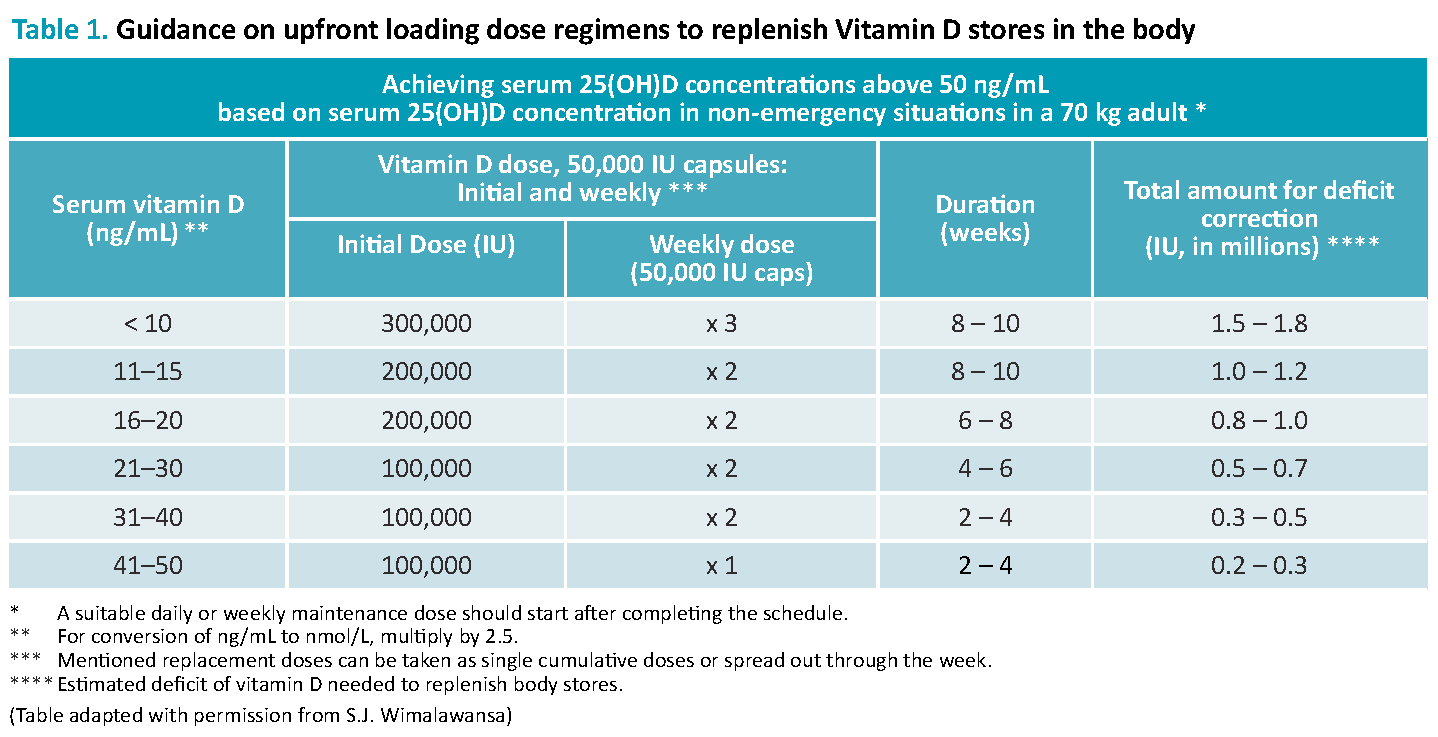
If someone is deficient, recovery commonly requires a temporary higher dose under guidance. Maintenance then usually requires less. This is why “maximum” shouldn’t be used as a daily habit without a plan. Short-term correction and long-term maintenance are different chapters.
Blood Tests: The Compass That Makes Supplementation Less Guesswork
If vitamin D is a compass, the lab test is the map. The most commonly measured marker is 25-hydroxyvitamin D (25(OH)D), the main circulating indicator of vitamin D status.
Monitoring helps answer a crucial question: are you optimizing, or are you inching into oversaturation? It also helps distinguish between “low but responsive” and “already sufficient.” A person who’s already well above the target can end up far above it with routine high-dose supplementation.

Age, Body Weight, and Skin Tone: The Hidden Modifiers
Your requirements can shift with age and physiology. Older adults may have different skin synthesis efficiency, different metabolism, and different renal handling. Body composition also plays a role—vitamin D is fat-soluble, and higher body mass can influence how vitamin D distributes in the body.
Skin tone modifies ultraviolet B (UVB) conversion during sun exposure. Darker skin often produces less vitamin D per unit of UVB, which can create a larger gap between “sunny day” and “adequate blood levels.” But supplementation needs still vary: some people respond strongly to moderate dosing; others need more.
Sunlight, Supplements, and Dietary Intake: Adding the Whole Picture
Many people treat vitamin D as if it only comes from pills. It doesn’t. Sunlight contributes. Some foods contribute—especially fatty fish and fortified products—though diet alone often cannot reliably close winter gaps for everyone.
This matters because the “safe maximum daily dose” is about total exposure. If you’re getting vitamin D from multiple sources, the pill dose may need to be lower to avoid accidental overage.
Common Scenarios: When Higher Doses Are Considered (and When They Aren’t)
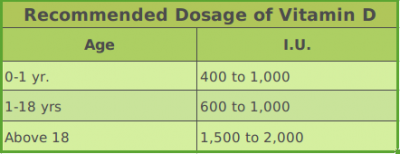
Higher daily doses are sometimes used when deficiency is confirmed or strongly suspected, especially if there’s limited sun exposure. But higher dosing is usually paired with a reason, a timeline, and a plan for follow-up labs.
For most adults, routine long-term use near the upper limit is not the default strategy. It can be reasonable only when monitored and individualized. The difference between “reasonable” and “reckless” is often paperwork: bloodwork, symptom tracking, and attention to calcium balance.
Calcium Pairing: Why Vitamin D Doesn’t Work in Isolation
Vitamin D and calcium are a partnership. Vitamin D increases intestinal calcium absorption, and calcium levels influence bone metabolism and neuromuscular function. If vitamin D is pushed high in someone with calcium supplementation—or in someone with conditions that elevate calcium—risks can compound.
That’s why the smartest approach isn’t just “choose a vitamin D dose.” It’s “choose a dose and confirm the ecosystem.” Are you taking calcium? Are you managing kidney conditions? Do you have a history of calcium stones? These details change the safety picture.
Practical Guidance: A Cautious, Curiosity-Forward Approach
Here’s a gentle way to replace anxiety with clarity. Start with baseline status if you can. Then choose a dose that matches your needs—not your hopes. Give it time. Recheck levels if you’re approaching the upper ranges or if you’ve been supplementing for months.
Be observant. Your body often offers hints before labs do. If thirst, urination changes, constipation, or unexplained fatigue appear after a dose increase, don’t “push through.” Pause and reassess with a clinician.
Vitamin D is not a moral test, and it’s not a contest. It’s a biological lever. Used thoughtfully, it can improve bone health and support broader wellness. Used carelessly, it can overcorrect.
The Shift in Perspective: Safety as a Dynamic Relationship
The safe maximum daily dose of vitamin D for most adults isn’t just a number you memorize. It’s a framework that respects individual variability. Think in terms of boundaries, feedback loops, and measured adjustments. When you treat vitamin D like a long-term relationship—rather than a quick fix—you’ll make decisions that are both safer and more satisfying.
Curiosity, here, isn’t superficial. It’s tactical. The questions you ask—what your baseline is, what your labs show, how your total intake stacks up—turn supplementation into something controlled and intelligent. And that’s where the real confidence lives.