In the wellness universe, few supplements trigger as much curiosity as vitamin D. It’s often framed as a guardian of bone health and immune resilience, yet it also carries an asterisk: the dose matters. People search for “5000 IU vitamin D side effects vs benefits,” not because they doubt the science, but because they’ve watched real bodies react differently. Some feel steadier, brighter, almost soothed. Others experience bewildering side effects—tingling, nausea, or a sense of being “off,” even when they’re following the label. The fascination is understandable. Vitamin D sits at the crossroads of sunlight, metabolism, and individual biology, and that intersection can be oddly personal.
Why 5000 IU Feels Like a Lifeline to Many
For many, vitamin D begins as a deficiency story. Fatigue that lingers. Mood that dips without a clear reason. Muscles that feel slightly reluctant. When lab results show low vitamin D, a clinician may recommend higher doses, and 5000 IU becomes a practical bridge—large enough to move the needle, yet often considered manageable for a defined period.
Vitamin D’s classic roles are widely known: it supports calcium absorption, helps maintain bone mineralization, and participates in broader immune signaling. But the real-world experience is often more textured. People describe a gradual return of physical ease—stairs feel less punishing, workouts feel less like negotiations, and recovery seems less chaotic. These benefits may not be dramatic overnight, yet they can feel surprisingly tangible.
Still, the human body is not a stopwatch. It’s more like a biosphere. Genetics, baseline vitamin D levels, body fat percentage, diet, kidney function, and even seasonal sun exposure can alter the response curve. That’s one reason 5000 IU feels like a lifeline for some and an irritant for others.
Benefits of 5000 IU Vitamin D: More Than “Bones”
When vitamin D status improves, several systems can subtly harmonize. Calcium absorption is the headline mechanism, but downstream effects often include better neuromuscular function. People may notice fewer cramps, less generalized soreness, and a steadier sense of strength. Vitamin D also engages immune pathways—turning certain immune processes from reactive to regulated, like tuning instruments rather than replacing them.
There’s also an emotional layer. Some individuals report improved mood or reduced winter “grayness,” especially those who live far from consistent sunlight. While sunlight itself is not identical to supplement intake, vitamin D is part of the same physiological conversation.
Yet, benefits are not automatic. They depend on whether the body truly needed the vitamin D and whether the dosing matches the deficiency level. Think of it as fitting a key to the correct lock: the vitamin can help only if the door exists in the first place.
Common Side Effects People Mention (and Why They Happen)
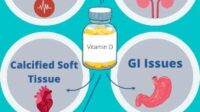
When side effects occur, they often trace back to vitamin D’s intimate connection with calcium metabolism. Too much vitamin D can raise blood calcium levels (hypercalcemia), leading to symptoms that can be mistaken for unrelated illnesses. People sometimes describe nausea, constipation, stomach discomfort, increased thirst, frequent urination, fatigue, muscle weakness, or a persistent “washed-out” feeling.
Another commonly reported theme is headache, brain fog, or an uneasy sense of restlessness. These are vague symptoms, which makes them easy to misattribute. But the pattern matters: if symptoms appear after starting 5000 IU and improve when the dose is reduced or stopped, the connection deserves attention.
Vitamin D is fat-soluble, which means it can accumulate. The word “accumulate” sounds clinical, yet the lived experience is simple: what you take today might still be shaping your physiology weeks later. That delayed effect can blur cause and effect, especially if someone is also changing diet, hydration, or sleep.
Real Story Lens: The “I Felt Great at First” Pattern
One familiar narrative goes like this: a person begins 5000 IU daily after a lab test reveals low vitamin D. During the first few weeks, they feel better—more energy, fewer aches, a brighter mood. Then, as time passes, something shifts. They develop digestive unease or a metallic tiredness that feels out of place. They aren’t imagining it. Their body is providing new data.
What might be happening? Sometimes the deficiency was genuine and the early improvement was real—then the dose overshoots as vitamin D stores replenish. The body may also be unusually sensitive due to baseline status or concurrent intake from other supplements. In modern routines, vitamin D rarely travels alone. Multivitamins, calcium formulas, cod liver oil, and “immune blends” can silently stack.
So the fascination deepens: vitamin D can be both medicine and fine balance. People don’t stop caring; they start negotiating with dose precision.
Real Story Lens: The “No Symptoms, But My Labs Were Surprising” Pattern
Not all side effects are felt. Some individuals report no obvious discomfort, yet their follow-up labs show higher-than-expected calcium or vitamin D levels. This is an underappreciated risk: the body can compensate until it can’t. Some people interpret their lack of symptoms as reassurance, but biochemical changes can be early warnings.
Deeper reasons include individual differences in absorption and metabolism. Genetics can influence how effectively vitamin D is converted into its active forms. Kidney function also plays a role in calcium handling. If monitoring isn’t done, elevated values can persist.
This pattern changes how people view “benefit.” It becomes not only about how you feel, but also about what your body is quietly accumulating.
Who Should Be Extra Cautious with 5000 IU?
Caution isn’t fear—it’s prudence. Certain groups may be more vulnerable to imbalance. Those with kidney disease, a history of kidney stones, hyperparathyroidism, sarcoidosis or other granulomatous conditions, and certain disorders affecting calcium regulation should consult clinicians before using higher-dose vitamin D.
Also watch the “stacking effect.” If someone already gets vitamin D from diet and sun exposure, 5000 IU may be higher than necessary. If someone uses calcium supplements alongside vitamin D, calcium levels may climb faster. If multiple household members share supplements, dosing can drift without anyone noticing.
There’s a quieter factor too: hydration. If intake habits change, calcium can concentrate differently, potentially intensifying symptoms in susceptible people. The body is not just a chemistry set; it’s a fluid system.
How Timing, Absorption, and Lifestyle Modify Outcomes
Vitamin D absorption improves when taken with fat-containing meals. Many people take it on an empty stomach, assuming consistency matters more than context. Sometimes it does, but absorption efficiency can still vary. Taking 5000 IU with a meal that includes healthy fats can make effects more predictable.
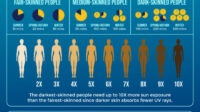
Sunlight exposure matters as well, even when supplements are used. During sunnier months, total vitamin D load increases. During darker seasons, reliance on supplements increases. That seasonal ebb and flow can contribute to why some people feel steady progress while others feel abrupt changes.
Sleep and hydration are also part of the mosaic. When people feel better, they often also improve habits—more movement, better diet, more regular routines. When symptoms appear, habits may shift too, complicating attribution. That doesn’t negate causality; it just reveals how interconnected wellness truly is.
How to Reduce Risk: Monitoring and Dose Discipline
Risk reduction is usually less dramatic than people imagine. It often looks like measurement. Clinicians may recommend checking 25(OH)D levels and sometimes calcium—especially for higher doses or longer courses. Without monitoring, it’s easier to drift into unintentional excess.
Dose discipline also helps. Many people use 5000 IU temporarily to correct deficiency, then step down to a maintenance dose. This “correct then maintain” strategy aligns with how deficiency replenishment works. It’s like rebuilding a reservoir before you simply keep it topped.
If side effects emerge, the most sensible move is not to white-knuckle through. Consider pausing and discussing next steps. Symptoms linked to hypercalcemia deserve prompt evaluation, particularly if there is persistent thirst, frequent urination, severe constipation, or confusion.
Is Vitamin D Fascinating Because It’s Both Gentle and Powerful?
There’s a deeper reason vitamin D inspires devotion and skepticism: it operates like a hormone-like nutrient, bridging sunlight and internal regulation. It can help the skeletal framework, but it also influences immune behavior and muscle function. That breadth makes it feel like a master key. Yet master keys require correct use. Too little won’t unlock enough; too much can jam the mechanism.
In real stories, people often don’t just seek a number. They seek a transformation that feels safe, sustainable, and comprehensible. The body’s responses—whether beneficial or inconvenient—turn vitamin D into a personal case study.
One image of the supplement world—powdery tablets lined up in a drawer—can’t capture the nuance of biology. But it’s worth remembering: behind every label is a metabolism with its own tempo.

Bottom Line: Benefits Are Real—So Are the Side-Effect Conditions
Vitamin D at 5000 IU can be beneficial, especially for deficiency correction, and many people experience meaningful improvements in energy, mood, and musculoskeletal comfort. But side effects are also real, particularly when dosing becomes excessive, supplementation stacks unknowingly, or underlying health conditions make calcium regulation more fragile.
The wisest approach balances enthusiasm with evidence. Take it seriously enough to monitor, take it thoughtfully enough to pair with meals containing fat, and treat symptoms as signals—not noise. That is how fascination matures into good judgment, and how a supplement becomes a tool rather than a gamble.