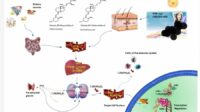
There’s a particular irony in modern life: we chase energy, resilience, and protection—yet many of us spend our days under muted light. Somewhere between stress schedules and indoor routines, a quiet deficiency can take hold. Vitamin D is often framed as “just a vitamin,” but it behaves more like a hormone—communicating with your immune machinery and shaping how your body rehearses defense. If your immune system feels perpetually on alert, it may not be a mystery. It may simply be underlit.
1) You Feel Run-Down More Often Than You Used To
Fatigue can be mundane, but persistent weariness has a pattern. When your immune system is under-resourced, it can’t mount efficient responses. Instead, it burns through energy trying to compensate. Vitamin D plays a supporting role in immune regulation—helping fine-tune innate defenses and supporting adaptive responses. When levels are low, your body may feel like it’s constantly recalibrating.
Look for a subtle trend: more colds than last year, longer recovery times, and a general sense that your “baseline” is lower. Your immune system shouldn’t feel like a leaky boat. It should feel like a well-maintained engine—quiet, steady, and ready.

2) Seasonal Illness Hits Harder or Earlier
Seasonal spikes are normal, but intensity is telling. If winter (or any high-transmission season) feels like a prolonged storm rather than a passing weather front, vitamin D may be part of the story. Vitamin D is involved in immune signaling—helping modulate inflammatory processes and supporting antimicrobial functions.
Some people build resistance like calluses. Others lose it like sandbags dissolving. With low vitamin D, the immune response can become less coordinated, making you more susceptible and potentially extending your symptoms. The timing matters too: getting sick sooner after the season begins can be a clue that your defenses weren’t fully provisioned.
3) Your Recovery Takes Longer Than Expected
Speed of recovery is an underappreciated metric. You may notice lingering throat irritation, stubborn congestion, or fatigue that doesn’t evaporate after the fever fades. That “aftershock” phase can reflect immune system activity—clearing debris, regulating inflammation, and restoring homeostasis.
Vitamin D helps the immune system communicate with itself. When those messages are muffled, recovery may become less efficient. Not every slow recovery is vitamin D-related. But if the trend repeats—month after month, illness after illness—it’s worth considering whether your immune system is operating with a low reserve.
4) You Experience Frequent Infections, Especially Respiratory Ones
Respiratory infections are the most common backdrop for immune discussions. If you find yourself repeatedly fighting off colds, sinus issues, or bronchial irritation, your body may be signaling that its immunological toolkit isn’t stocked properly. Vitamin D supports both barriers and immune response pathways, influencing how well your body handles pathogens in the first place.
Think of your immune system as a border control agency. Barriers, surveillance, and rapid intervention all matter. Vitamin D helps support that integrated approach. When it’s low, the response might be slower or less robust—like dispatching a team without the right training.
5) You Notice More Inflammation-Driven Symptoms
Inflammation isn’t always bad—it’s necessary. The problem is when it becomes miscalibrated. Some people experience more inflammatory symptoms during low-light months: general aches, flare-ups, or a higher “background” of discomfort. While inflammation can have many causes, vitamin D is one of the factors that can influence immune modulation.
Vitamin D interacts with the immune system’s tendency to overreact. With insufficient levels, inflammatory signals can become unbalanced, nudging the body toward a state of persistent readiness. It’s less like a fire extinguisher and more like smoke alarms that go off too easily.
6) You Have Low Sun Exposure or Consistently Avoid Daylight
This is the sign that often goes unnoticed, because it’s not a symptom—it’s a context. If your days are mostly indoors, if you work nights, or if you live in a region with limited sunlight, your body’s natural vitamin D production can be compromised. Even people who “try to go outside” may still fall short during seasons when UVB rays are weak.
Clothing habits, sunscreen use, darker skin tones, and latitude all affect vitamin D synthesis. The key is not guilt; it’s awareness. Sun avoidance isn’t automatically wrong. But if your lifestyle reliably blocks the UVB pathway, your immune system may be missing an ingredient it expects to find.
7) Blood Tests Show Low Vitamin D—And You Still Feel “Off”
There’s a particular honesty in laboratory data. If a test shows low 25-hydroxyvitamin D levels, and your symptoms align with immune sluggishness—frequent illness, lingering recovery, seasonal vulnerability—then the dots connect. Vitamin D isn’t just about bone health. It’s about immunological instruction.
Of course, no single test tells the whole story. But low vitamin D can be a missing piece in the larger puzzle of sleep quality, nutrition, stress load, and overall health. When multiple factors converge, the body becomes more sensitive. That’s when deficiency becomes noticeable—not dramatically, but persistently.
Shifting Perspective: From “Supplements” to Immune Strategy
It’s tempting to treat vitamin D as a quick fix. Yet the more empowering approach is to see it as part of a broader immune strategy. Consider sleep timing, protein intake, stress management, hydration, and consistent movement. Then overlay vitamin D, especially if you’re indoors frequently or during winter months.
A helpful mindset shift: instead of asking, “How can I stop getting sick?” ask, “How can I make my immune system easier to operate?” Vitamin D is one of the ways to reduce friction—helping your body run smoother when pathogens try to disrupt the routine.
What to Do Next (Without Panic)
If these seven signs resonate, it doesn’t mean you’re doomed. It means you have a direction. Start with a conversation with a healthcare professional and consider measuring your vitamin D level through a blood test. Based on results, an appropriate supplementation plan may be discussed—always tailored, never generic.
Meanwhile, consider safe sun exposure when possible, balanced with skin protection guidance. Also, pay attention to dietary sources of vitamin D, though for many people food alone isn’t enough—especially in winter or low-sun regions.
Your immune system doesn’t need constant drama. It needs consistent provisioning—like a fortress supplied before winter. When vitamin D is restored to an adequate range, many people notice a subtle but meaningful difference: fewer “surprise” infections, calmer recovery, and a sense that their body is finally in rhythm again.