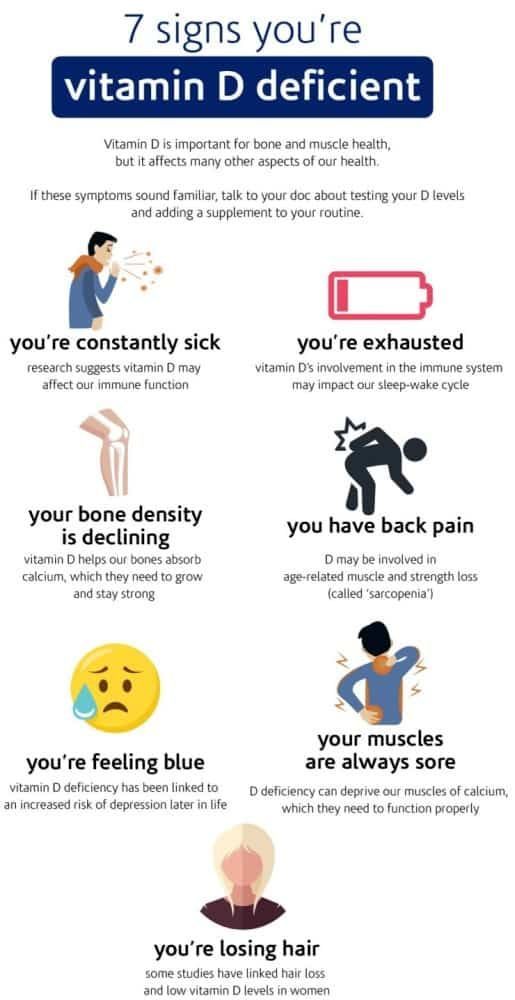
Sleep is supposed to be a sanctuary—quiet, steady, and restorative. Yet when vitamin D levels dip, the night can feel like a dim room with flickering lights: the body still tries to rest, but the signals arrive late, scattered, or strangely distorted. Vitamin D is often discussed as a “sunshine vitamin,” but at night it behaves more like a quiet conductor—subtly setting tempo, supporting circadian rhythm, and influencing the way your nervous system interprets darkness. When it’s low, your sleep may begin to unravel in five distinct ways.
Below, you’ll find five signs that low vitamin D might be eroding your sleep—along with metaphors to make the pattern easier to recognize in the daily texture of life.
1) You Can’t Switch Off: The “Night-Static” Sign
One of the earliest signals of low vitamin D is the sensation that your mind is broadcasting noise even after you’ve hit the pillow. You lie there with that half-blank, half-alert feeling—like a radio tuned between stations. You may drift off, but the transition is jagged, and your brain seems reluctant to complete the descent into sleep.
Vitamin D participates in neurochemical pathways that help regulate mood and arousal. When levels are insufficient, your body may treat nighttime as a time for vigilance rather than surrender. The result is insomnia that doesn’t always look dramatic—just persistent. Short awakenings, delayed sleep onset, and a lingering “wired” sensation can become your new normal.
Metaphor: Imagine sleep as a tide. Low vitamin D is like a tide that forgets how far to reach—so your thoughts keep lapping at the shore.

2) Light Sleep and Frequent Waking: The “Brittle Blanket” Effect
You may fall asleep faster than you used to, but it doesn’t last. The bed becomes less a cocoon and more a brittle blanket: comfortable for a moment, then suddenly not enough. You wake repeatedly—perhaps to use the bathroom, check the time, or simply emerge from a shallow doze that never fully settles.
Quality sleep depends on stable signaling across systems—hormonal, nervous, and inflammatory. Vitamin D supports immune regulation and may influence inflammatory tone. When it’s low, subtle inflammation can rise, and your body may respond at night with micro-awakenings. Even mild discomfort—neck tension, restlessness, or that unexplained urge to shift positions—can fragment sleep into smaller, less restorative segments.
Metaphor: Think of sleep as a long film. Low vitamin D is like frequent buffering—small interruptions that steal the plot and keep your brain awake in the margins.
3) Sleep Timing Starts to Drift: The “Clock Without Hands” Clue
Sometimes the problem isn’t the duration of sleep—it’s the schedule. You go to bed at a similar time, but you can’t fall asleep when you intend to. Or you start dozing earlier, then wake early, then feel exhausted before evening arrives. Your sleep-wake rhythm begins to look like a clock with missing hands: you sense the wrong hour, again and again.
Vitamin D plays a role in circadian regulation, helping the body coordinate timing cues that tell you when to be alert and when to be calm. When levels are low, those cues can feel less coherent. You might notice a stronger tendency toward “social jet lag,” where weekends feel different, mornings feel harder, and energy dips become more dramatic.
Metaphor: Your internal rhythm is a train. Low vitamin D is a station that lights up inconsistently, so the train keeps arriving—but at awkward stops.
4) Unusual Mood at Night and Morning: The “Storm Glass” Indicator
If your nights carry a faint emotional weather—irritability, low-grade anxiety, or a heaviness that feels out of proportion—you may be seeing another sign. Low vitamin D can influence neurotransmitters tied to mood regulation, and sleep is the stage where those effects become visible. When you don’t rest deeply, emotions can amplify. When emotions intensify, sleep becomes even more difficult. It’s a feedback loop with no obvious culprit.
In the morning, you might feel foggy and emotionally raw. You may not be “sad” in a dramatic sense, but your baseline mood seems less buoyant. The day begins with a dim lantern, and by night the lantern is nearly out—so the next attempt at sleep feels harder.
Metaphor: Sleep is storm glass: it shows the atmosphere inside your body. When vitamin D is low, the “forecast” turns tense and changeable.
5) Body Signals That Wake You: The “Afterparty of Discomfort”
Some people associate vitamin D deficiency primarily with aches, fatigue, or muscle weakness. But the body discomfort can also spill into bedtime. You may experience restlessness, cramps, or an uncomfortable sensitivity that seems worse once you lie down. You might chalk it up to stress or aging, yet the timing—how often it interrupts your night—makes it feel more like a biological message.
Vitamin D is involved in muscle function and overall neuromuscular coordination. When it’s low, the body may not regulate tension as smoothly. Combine that with shallow sleep, and discomfort can become a recurring “afterparty” that refuses to end.
Metaphor: Imagine your body as an orchestra. Low vitamin D is a musician playing slightly out of tune. You can still perform—until the quiet of night forces you to hear the discord.

What to Do Next: Turn Clues into Clarity
Recognizing these signs is the first step. The second is verifying the cause. If you suspect low vitamin D is sabotaging your sleep, consider discussing testing with a healthcare professional—often a blood test can clarify your vitamin D status. This matters because sleep disruption has many possible origins: stress physiology, thyroid shifts, iron deficiency, sleep apnea, medication effects, and more.
Still, if your sleep patterns align—nighttime hyperarousal, fragmented rest, drifting timing, mood strain, and body discomfort—vitamin D deserves a seat at the diagnostic table. Once you know what’s happening, you can create a more coherent plan: daylight exposure, dietary adjustments, and supplementation when appropriate.
In the meantime, treat your bedroom like a ritual space. Keep a consistent schedule, cool down the room, reduce late caffeine, and consider a calming wind-down routine that tells your nervous system the day is over. Even before vitamin levels are corrected, these actions help your body remember how to transition from alertness to restoration.
Final thought: Sleep is not merely a pause in the day—it’s a biologic negotiation. When vitamin D is low, that negotiation becomes noisier. When it’s addressed, the night can return to its original role: a steady, healing quiet.