Semaglutide has become a mainstay in modern metabolic care, celebrated for its ability to support weight reduction and improve glycemic control. Yet, alongside its benefits, some people notice new or intensified muscle cramps—an unwelcome sensation that can turn a promising therapy into a daily puzzle. The question many patients and caregivers ask is surprisingly specific: Can vitamin D reduce muscle cramps from semaglutide? The answer isn’t a single yes-or-no. It’s more like a story with multiple chapters—where vitamin D may help, where cramps may have several causes, and where the fascination lies in how seemingly small nutrient shifts can ripple through nerve, muscle, and electrolyte physiology.
Understanding Semaglutide-Associated Muscle Cramps: More Than “Just a Side Effect”
Muscle cramps are often described as sudden, painful tightening of muscles. But the mechanism is rarely singular. With semaglutide, several pathways can intersect. Gastrointestinal side effects—such as reduced appetite, nausea, or diarrhea—can indirectly affect hydration and electrolyte balance. Electrolytes like magnesium, potassium, and calcium are intimately involved in neuromuscular signaling. When their availability fluctuates, the muscle’s electrical rhythm can wobble.
There is also the possibility that changes in insulin sensitivity, body composition, and overall metabolic tone alter muscle physiology. Even if semaglutide doesn’t directly “cause” cramps, it may shift the internal environment in which muscles operate. Think of muscle as an orchestra: semaglutide may not fire the musicians, but it can change the acoustics—tempo, hydration, and nutrient cues—so the performance becomes discordant.
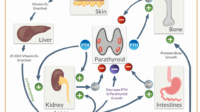
That’s where vitamin D enters the conversation. It’s not merely a bone nutrient. Vitamin D behaves more like a hormone-like regulator, influencing calcium handling, muscle fiber function, and nerve signaling.
Vitamin D’s Role in Muscle Function and Calcium Regulation
Vitamin D supports calcium absorption in the gut and helps maintain appropriate calcium levels for normal muscle contraction and relaxation. Calcium is the molecular switch that helps muscle fibers contract; it also must be tightly buffered and cleared to prevent hyperexcitability. When vitamin D status is low, calcium regulation can become less stable. In that setting, muscles may become more prone to cramping, especially during periods of stress, dehydration, or electrolyte disturbance.
Vitamin D also appears to influence muscle cell biology—possibly affecting muscle strength, endurance, and the way fast-twitch fibers respond to stimulation. Some individuals with insufficient vitamin D report more aches, weakness, or cramp-prone patterns. Importantly, cramps are not always caused by vitamin D deficiency. But if deficiency exists, correcting it can restore physiological “headroom.”
In practical terms, the question becomes: Is semaglutide uncovering an underlying deficiency, or contributing to a state where muscles are less tolerant of normal fluctuations? That is the deeper reason the topic draws attention: the body’s systems are interlocked, and vitamin D may be a missing keystone rather than an isolated remedy.
Can Vitamin D Reduce Cramps Specifically Linked to Semaglutide?
The honest answer is that direct, semaglutide-only evidence is limited. However, the biological plausibility is strong enough to warrant thoughtful consideration. If semaglutide-related side effects lead to reduced intake, less sun exposure, or altered absorption patterns, vitamin D levels could drift downward. If vitamin D is low, supplementing might reduce cramps by improving calcium stability and neuromuscular regulation.
In addition, vitamin D deficiency can coexist with other common issues that contribute to cramps: low magnesium, low dietary potassium, and inadequate hydration. Vitamin D isn’t the conductor of all those instruments. But in a deficiency scenario, it can reduce the overall likelihood of muscle hyperexcitability.
So rather than asking whether vitamin D “fixes semaglutide cramps,” it may be more accurate to ask whether vitamin D addresses one component of a multi-factor chain reaction. When multiple links are strengthened, cramps can become less frequent or less severe.
The Observation People Make: “It Helped Me” (And Why That Matters)
Many individuals notice that when they improve vitamin D status, cramps ease. That observation isn’t automatically placebo. It can reflect real physiology. Vitamin D repletion often takes weeks, and cramps typically respond to changes in electrolyte and muscle excitability—processes that unfold gradually rather than instantaneously.
Another reason this pattern intrigues people is that cramps are highly variable. They flare with dehydration, increased activity, stress, and even sleep disruption. When vitamin D is supplemented, other factors often improve at the same time: diet may become more consistent, outdoor time may increase, or overall wellness may improve. These correlated changes can amplify perceived benefit.
Still, the key point is that self-reported improvement can highlight a target: if vitamin D deficiency is present, addressing it may reduce the “background noise” that makes muscles more likely to cramp under stress.
Deeper Mechanisms: Vitamin D, Nerves, and the Excitability Threshold
Muscle cramps can be seen as a failure of the neuromuscular system’s normal braking mechanism. Nerves transmit signals; muscles respond; and ions like calcium and magnesium determine whether signals remain orderly. Vitamin D may influence gene expression and cellular pathways involved in calcium transport and muscle stability. When vitamin D is insufficient, the threshold for abnormal contraction may drop.
With semaglutide, the body’s metabolic context changes. Appetite and caloric intake may decrease. That can influence micronutrients and fluid balance. If cramps show up after starting therapy, it may not be random timing—it may be the moment the internal balance becomes more fragile.
In that light, vitamin D becomes less of a “cramp pill” and more of a stabilizer. It may help the system tolerate normal perturbations without tipping into painful spasms.
Vitamin D Isn’t Alone: Magnesium, Hydration, and Electrolyte Balance
Even if vitamin D helps, cramps may persist if other contributors remain unresolved. Magnesium is particularly relevant because it participates in muscle relaxation and nerve signaling. Potassium and sodium regulate fluid shifts and electrical gradients. Hydration affects blood volume and the distribution of electrolytes.
Semaglutide-related gastrointestinal effects can reduce intake of fluids and minerals or increase losses. If someone supplements only vitamin D while magnesium and hydration remain low, cramps may not fully disappear. In fact, improving one variable may make the others more noticeable.
For a coherent strategy, vitamin D status should be evaluated, while hydration practices and dietary electrolyte sources are revisited. Sometimes the most effective approach is not a single supplement—it’s the removal of competing deficits.
Who Should Consider Testing? Clues Your Vitamin D Status Might Be Low
Vitamin D insufficiency is more likely when sunlight exposure is limited, skin pigmentation is darker, dietary sources are sparse, or there is malabsorption risk. Symptoms such as persistent muscle aches, weakness, fatigue, or bone discomfort can be hints—but they are not definitive.
A blood test for 25-hydroxyvitamin D helps clarify whether supplementation is likely to correct a deficiency. If vitamin D is already adequate, adding more may not meaningfully change cramps, though it still might support general health. The fascination here is practical: targeted correction often outperforms guesswork.
If cramps worsen quickly after initiating semaglutide, it’s also worth discussing other causes—medication changes, changes in activity, or electrolyte imbalance—rather than assuming a single nutritional explanation.
How to Approach Supplementation Safely: Dose, Timing, and Monitoring
Supplement dosing should be individualized. Many clinicians use lab results and baseline risk factors to decide an appropriate regimen. Vitamin D is fat-soluble, meaning it accumulates—so excessive dosing without monitoring can raise calcium levels and create complications.
Timing can matter as well. Vitamin D is often better absorbed when taken with meals that contain some fat. Consistency is key. Improvements in muscle function may not be immediate; a period of weeks is usually necessary for biochemical adjustments.
Monitoring matters if symptoms persist. Rechecking vitamin D levels and, when appropriate, checking calcium and magnesium can help determine whether the supplementation plan is matching the body’s physiology.
When Cramps Signal Something More Serious
Most cramps are benign, but caution is warranted. Seek medical guidance urgently if cramps accompany weakness that progresses, numbness, difficulty breathing, severe swelling, or signs of electrolyte derangement such as intense fatigue or irregular heart sensations.
Also consider whether semaglutide dosing, concurrent medications (such as diuretics), or underlying conditions like kidney disease are in play. Kidney function influences mineral handling and can change the safest strategy for supplements.
In other words, vitamin D may be part of the answer—yet it should not distract from comprehensive evaluation when cramps are persistent, severe, or accompanied by red-flag symptoms.
Bottom Line: A Reasoned “Maybe”—With a Realistic Plan
So, can vitamin D reduce muscle cramps from semaglutide? It can, particularly if vitamin D insufficiency is present or if semaglutide has contributed to reduced intake, altered absorption, or a fragile calcium-handling environment. The most compelling reason to be hopeful is that vitamin D is biologically connected to calcium stability and muscle excitability—two pillars that cramps often disrupt.
However, cramps are rarely the product of one factor. Hydration, magnesium, potassium, dietary adequacy, and medication context can all shape the outcome. The most effective approach blends vitamin D testing or informed supplementation with attention to overall electrolyte and fluid balance.


If you’re experiencing cramps while on semaglutide, consider treating it as a clue—not a dead end. Vitamin D might be a helpful part of the solution, especially when guided by testing, safety monitoring, and a broader electrolyte-aware plan.