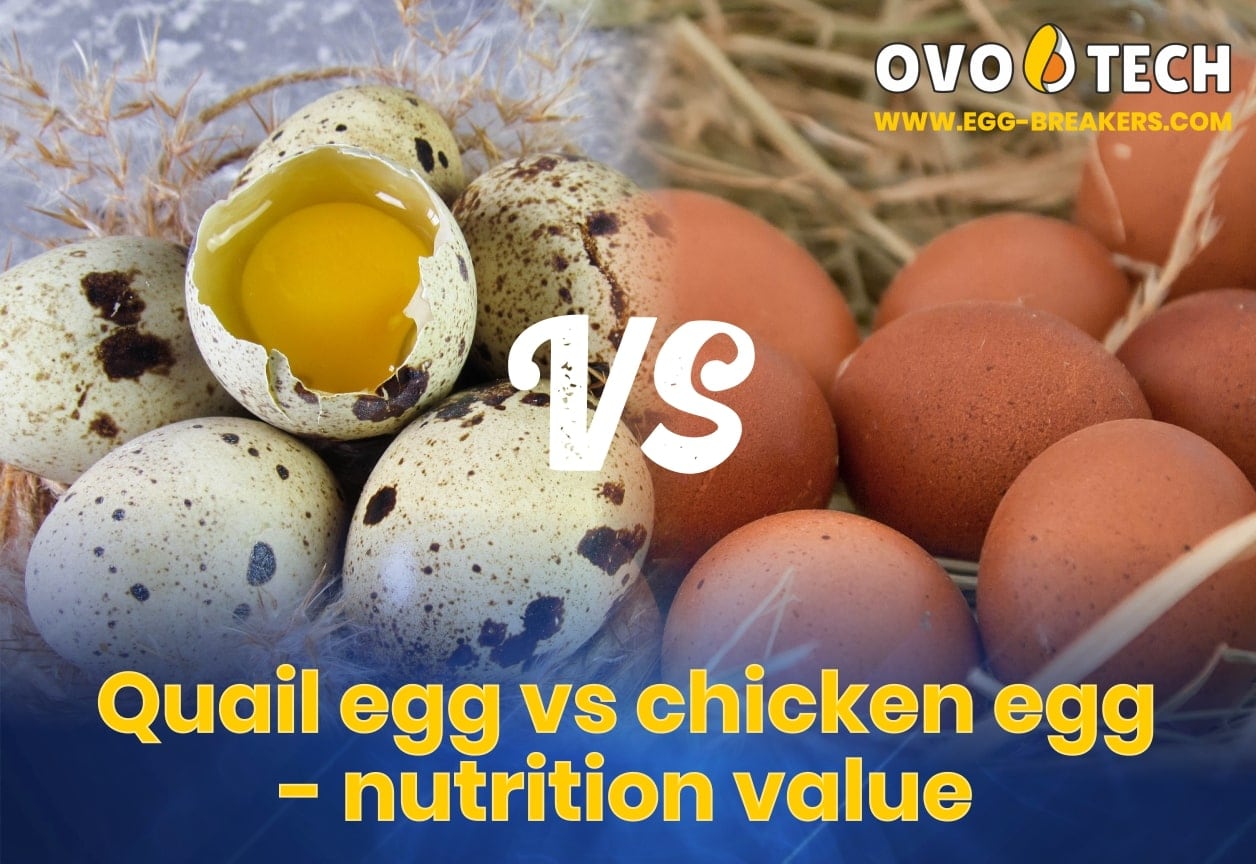
In the kitchen, eggs often feel like a simple decision: choose chicken, crack, and move on. Yet every so often, a question flares up—“Which egg delivers more vitamin D?” Quail eggs arrive like an intriguing footnote to that conversation. They’re tiny, frequently adorable, and sometimes priced like a delicacy. But beneath the charm is a nutritional mystery that deserves a closer look, especially because vitamin D is not just another nutrient. It is a coordinator of immune resilience, bone architecture, and the quiet backstage operations of cellular communication.
Vitamin D: Why People Chase It in the First Place
Vitamin D has a reputation for being both vital and elusive. Many people think of sunlight immediately, but food can also contribute—though not every food contributes equally. In the body, vitamin D helps regulate calcium and phosphorus, which are essential for mineralizing bones and teeth. It also influences immune function, including how the body responds to threats with appropriate “timing” rather than brute force.
Here’s the common observation that nudges curiosity: when you compare egg labels, quail eggs often appear to offer a nutritional punch that seems disproportionate to their small size. That perception leads people to ask whether quail eggs might be a more efficient vitamin D source than chicken eggs.
However, the deeper story is rarely simple. Vitamin D content can shift due to factors you don’t see on a supermarket shelf. Diet, exposure to UV light, and even egg handling practices can influence the final nutritional profile.
Quail Eggs vs Chicken Eggs: The Vitamin D Snapshot
When people compare quail eggs and chicken eggs for vitamin D, they’re usually searching for a clear winner. The reality is more nuanced. Vitamin D levels may differ by species and by how the birds were raised, yet quail eggs are often discussed as having a comparatively strong nutritional density.
Because quail eggs are much smaller, the comparison becomes tricky. If you’re measuring “per egg,” chicken eggs may win in absolute amounts simply due to size. But if you’re measuring “per gram,” quail eggs can appear more compelling. This is where confusion often breeds—people assume the unit of comparison doesn’t matter. It matters.
Still, even with that caveat, quail eggs have earned attention. Their miniature form encourages frequent snacking. A person might consume more eggs in total volume simply because they’re easy to eat in small bites. That behavioral detail can amplify the nutrient impact in everyday life.
“Per Egg” Versus “Per Serving”: The Hidden Logic of Nutrient Math
Nutrition advice often slips into a misleading shortcut: “Egg A has more of nutrient X, therefore it’s better.” But nutrient density calculations are not optional—they’re the entire game. Consider how you actually consume eggs. A chicken egg is a centerpiece. A quail egg is a garnish, a decorative protein orb. That difference changes serving patterns.
For vitamin D specifically, one plate might include one chicken egg or could include several quail eggs. So, the question should be reframed: not “Which egg has more vitamin D,” but “Which egg pattern brings you closer to your personal vitamin D goals?”
Even if the per-egg difference is modest, the number of eggs consumed can alter the practical outcome. Tiny eggs invite a kind of portion flexibility that chicken eggs rarely offer. It’s a small behavioral design choice, not unlike how almonds and walnuts are treated as “manageable bites” rather than a single large serving.
Why Bird Rearing Matters: The Diet and UV Factor
Vitamin D in eggs is not magically fixed at the moment of laying. It reflects what the bird absorbed and how that nutrient was processed. If hens or quail are exposed to UV light, they can convert precursors into active forms of vitamin D more effectively. Likewise, if their diets include vitamin D precursors, the eggs can mirror that input.
This is one reason quail eggs can seem “more vitamin D-forward” in some markets. Quail production systems sometimes differ in husbandry practices, including how light exposure is managed. The result can be a noticeable variation in egg nutrient profiles—especially for fat-soluble compounds like vitamin D.
So when you hear claims like “quail eggs are higher in vitamin D,” the subtext might be: “the birds were raised in a way that makes vitamin D storage and deposition more favorable.” That possibility is more fascinating than it sounds. It suggests the nutrient isn’t just a product of biology—it’s also a record of environment.
Absorption and Biochemistry: Vitamin D’s Lifestyle Dependencies
Vitamin D belongs to the family of fat-soluble nutrients, meaning its effectiveness depends on the presence of dietary fat and overall digestion. Eggs contain fat naturally, which can aid absorption. But that doesn’t mean vitamin D is guaranteed to be “fully utilized” in every scenario. Your meal composition matters.
If quail eggs appear in a dish with healthy fats—olive oil, avocado, or dairy—the nutrient landscape becomes friendlier. If they’re eaten in isolation, the body may still absorb vitamin D efficiently, yet the overall digestive context changes how seamlessly nutrients move through the system.
There’s also the matter of individual physiology. Vitamin D requirements vary with factors such as skin tone, geographic latitude, season, body composition, and health status. A person with limited sun exposure may benefit more from dietary sources than someone who spends daily time outdoors.
Small Eggs, Big Culinary Influence: How Quail Eggs Change the Pattern
Quail eggs are not merely a novelty. They reshape eating habits. Their size encourages tasting, topping, and experimenting. They show up in salads, charcuterie-style platters, ramen garnishes, and elegant canapés. That variety matters because it increases consistency—people are more likely to include nutrient-dense foods when they’re enjoyable and easy to integrate.
There’s a deeper fascination here: quail eggs feel like a “frequent guest” rather than an occasional centerpiece. A practical nutrient strategy often succeeds not because it’s perfect, but because it’s sustainable. Quail eggs, for many households, are a sustainable option.
That doesn’t automatically crown them as superior. It means they may align with real-world behaviors that support nutrient intake over time.
Choosing the Right Egg for Your Goal: A Practical Framework
If vitamin D is your focus, start with one question: do you want a tool for supplementation-like coverage, or do you want a flavorful dietary contributor? The answer shapes the best choice between quail and chicken eggs.
For those who enjoy variety and portion flexibility, quail eggs can be a delightful way to add more eggs per meal, potentially increasing vitamin D intake in a natural, food-first approach. For those who prefer straightforward meals and minimal math, chicken eggs remain a dependable workhorse.
Regardless of the species, consider the broader lifestyle context—sun exposure, meal composition, and overall dietary balance. Eggs are not a solitary answer. They are one thoughtful piece in a larger mosaic.
Common Misconceptions: The Myth of One-Size-Fits-All Nutrients
It’s tempting to believe that “quail eggs are higher in vitamin D” or “chicken eggs are higher in vitamin D” as if nutrients were stamped like identical products. But biology doesn’t operate on factory presets. Vitamin D content can vary, and comparisons can be skewed by serving size, storage, and how birds were managed.
Another misconception is assuming that a higher vitamin D figure automatically means “better for everyone.” If your meal already includes other vitamin D sources—fatty fish, fortified foods, or supplements—then the incremental difference between egg types may matter less. Meanwhile, if vitamin D intake is otherwise low, even a modest difference can feel meaningful.
The most accurate way to interpret egg comparisons is to treat them as probabilities rather than absolutes. That viewpoint doesn’t reduce value; it increases honesty and helps you make decisions that actually fit your life.
From Curiosity to Nutrition: Why This Comparison Captures Attention
People remain fascinated by quail eggs versus chicken eggs because the question touches more than nutrition. It’s about identity in food: the desire to discover overlooked power sources, the thrill of small discoveries, and the pleasure of making everyday meals feel intentional.
Vitamin D sits at the intersection of science and sensation. It’s difficult to earn solely through ordinary routines, yet eggs offer a tangible, repeatable option. The idea that a tiny egg could carry a disproportionately strong contribution is exactly the kind of narrative the human brain loves—one that turns grocery browsing into mini research.
And if you’ve ever held a quail egg, you already know the emotional fact behind the curiosity. It’s not just a nutrient container. It’s a reminder that nature rarely makes things simple on the first try.

How to Incorporate Both Options Without Overthinking
If you want a straightforward approach, rotate. Use chicken eggs for hearty breakfasts and quail eggs for embellishing bowls, salads, and light entrées. This keeps meals interesting and reduces the pressure to “win” a single comparison.
If vitamin D is a priority, also aim to eat eggs in meals that include dietary fat, and consider your seasonal sun exposure. A balanced plan is often more effective than a single food gamble.
Ultimately, quail eggs and chicken eggs both belong to the same satisfying family of nutrition. Their differences—especially around vitamin D perceptions—are real enough to matter, yet they’re best interpreted through the lens of environment, serving patterns, and whole-day context.