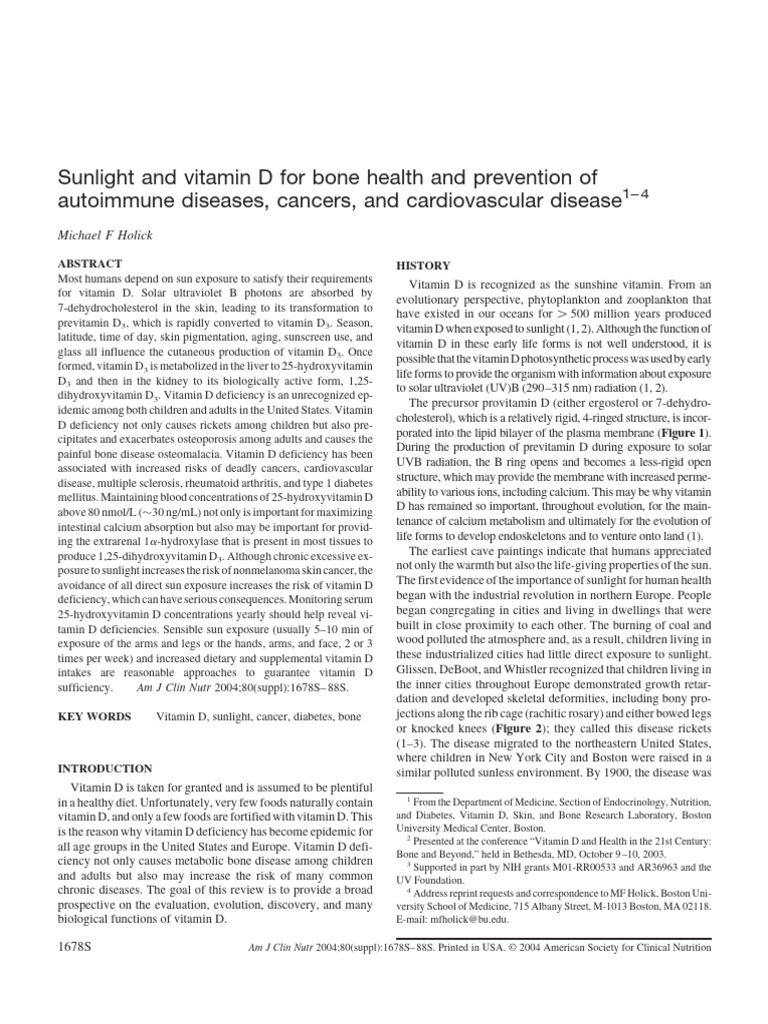
For years, vitamin D has been discussed as if it were merely a bone-building sidekick—useful, yes, but hardly transformative. Yet autoimmune disease tells a different story. Beneath the surface of “normal” vitamin D labs lies a more intriguing possibility: this vitamin may act like an immune interpreter, nudging inflammation toward balance or toward discord. What if the missing piece in many autoimmune narratives isn’t a dramatic cure, but a subtle recalibration—one that begins with sunlight, food, and careful measurement?
Autoimmunity and the Immune “Volume Knob”
Autoimmune conditions arise when the immune system mistakes self for threat. That misfire doesn’t usually happen overnight; it accumulates. Genetics lay down the blueprint, infections and environmental exposures add texture, and immune regulation slowly loses its precision. In this context, vitamin D can be thought of as a regulatory ligand—one that influences how immune cells behave when confronted with ambiguity.
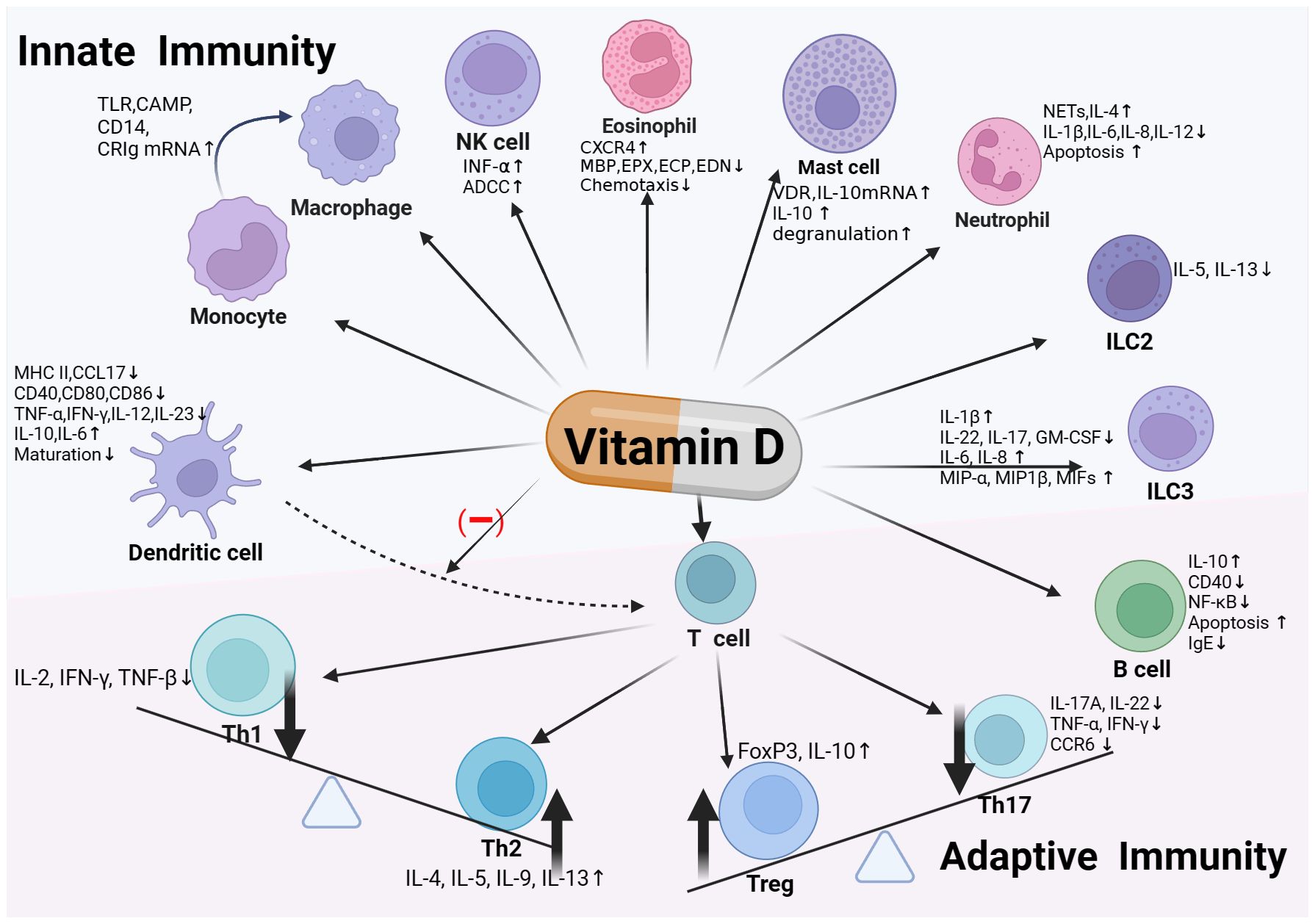
Imagine the immune system as an orchestra. When regulation falters, the violins don’t just play louder; they start playing wrong notes. Vitamin D participates in the process that keeps the orchestra coordinated. It helps shape the dialogue between innate and adaptive immunity, encouraging a calmer baseline and restraining runaway inflammatory signaling. The result isn’t a guarantee of prevention, but it offers a credible biological pathway for risk modulation.
That shift in perspective matters. Instead of asking, “Will vitamin D stop autoimmune disease?” consider a more nuanced question: “Can vitamin D tilt immune behavior toward stability, especially in people who are predisposed?” Curiosity is warranted—because the immune system is responsive to context.
Why Vitamin D Is Unusually Relevant to Autoimmune Risk
Vitamin D is distinctive because it functions more like a hormone than a simple nutrient. After it’s synthesized in skin or consumed through diet, it undergoes metabolic activation in the liver and kidneys. The active form communicates with immune cells, influencing gene expression patterns that govern inflammation, differentiation, and tolerance.
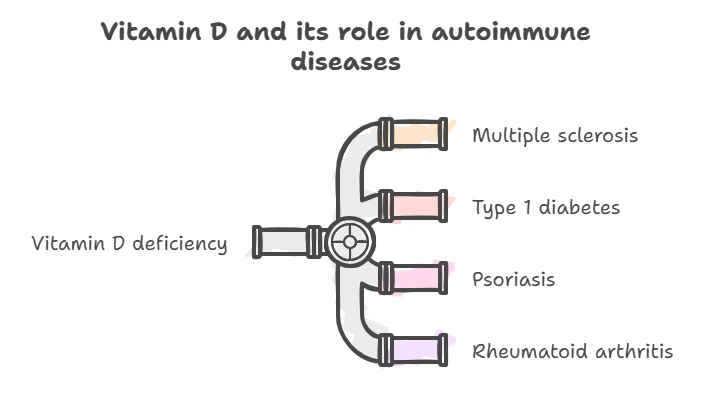
Multiple autoimmune diseases show associations with vitamin D status, and low levels often appear in real-world clinical settings. That doesn’t prove causality by itself. Still, it raises an intelligent suspicion: immune regulation may be more sensitive to vitamin D sufficiency than many people assume.
There’s also a practical layer. Many populations experience insufficient sun exposure due to latitude, indoor lifestyles, clothing practices, seasonal variation, or skin pigmentation differences. In other words, low vitamin D is not a rare curiosity—it’s a common condition. When something is common and biologically plausible, the question of prevention becomes unavoidable.
The Subtle Differences Between “Low” and “Deficient”
Vitamin D discussions often blur into one vague category: “low.” But clinicians generally focus on serum 25-hydroxyvitamin D, the most reliable circulating indicator. The difference between mild insufficiency and frank deficiency can influence immune outcomes and symptom susceptibility.
What’s especially compelling is the idea of timing. The immune system forms and recalibrates across the lifespan. During critical windows—childhood immune maturation, pregnancy, aging, or periods of heightened vulnerability—maintaining adequate vitamin D may offer more than maintenance; it may offer protection against immune miscalibration.
There is also an interpretive nuance: inflammation can affect vitamin D metabolism, and lifestyle changes during illness can reduce intake or sunlight exposure. So vitamin D might sometimes be both a marker and a mediator. Either way, addressing low levels remains a rational, low-drama step with potentially meaningful consequences.
Prevention Starts Before Symptoms: Risk Assessment as a Lifestyle Map
Prevention is not only about supplements. It’s about a deliberate lifestyle map—sun exposure where appropriate, dietary patterns, and periodic testing for those at higher risk. People with a personal or family history of autoimmune disease, those with limited sun exposure, individuals with darker skin tones at higher latitudes, and those with malabsorption disorders often require extra attention.
Consider the “stacked risk” concept. Autoimmune risk rarely comes from a single lever. When vitamin D insufficiency coexists with other inflammatory pressures—sleep disruption, chronic stress, sedentary behavior, smoking, obesity—it can contribute to immune instability.
When vitamin D is addressed early, it may help buffer the immune system against that instability. The promise isn’t instant transformation. It’s a gradual rebalancing—like tuning a radio so the static softens.
Sunlight, Diet, and Supplementation: Three Doors to the Same Room
Sunlight is the original pathway. However, sun exposure is constrained by practical realities: work schedules, geography, and skin cancer risk awareness. Diet can help, though it often provides limited vitamin D compared with sunlight-driven synthesis.
Fatty fish (salmon, sardines), fortified dairy alternatives, egg yolks, and certain fortified foods are useful. Yet even a well-designed diet may not close the gap for everyone, especially during winter months or for individuals with higher needs.
That’s where supplementation becomes relevant. Supplements can offer predictable dosing and allow targeted correction. Still, the most professional approach is not guesswork—it’s measurement and personalization.
Management After Diagnosis: A Supportive Strategy, Not a Standalone Miracle
Once autoimmune disease is diagnosed, the conversation shifts. Vitamin D is seldom a replacement for immunomodulatory therapies. Autoimmune conditions require structured medical care—medications, monitoring, and individualized plans.
But vitamin D can function as a supportive pillar. Adequate levels may influence disease activity indirectly by modulating inflammatory pathways, supporting immune tolerance, and possibly improving related symptoms such as fatigue or musculoskeletal discomfort in some individuals.
Importantly, vitamin D management should integrate with the broader clinical picture. If symptoms fluctuate, clinicians often reassess not only medications but also biomarkers, lifestyle patterns, and comorbid factors like obesity or vitamin B12 deficiency. Vitamin D becomes part of a coherent system rather than an isolated tactic.
There is also a psychological benefit to consider. When patients take a measured step—testing, dosing, and follow-up—the disease journey becomes less opaque. That clarity can restore a sense of agency without creating false promises.
What About Allergies, Inflammation, and Overlapping Immune Disorders?
Autoimmunity and allergy are not the same, yet they share immune neighborhood streets. Vitamin D’s influence on immune signaling suggests it can affect various inflammatory conditions, including allergic diseases. The immune system is a network; altering one pathway can ripple outward in unexpected ways.
Some people experience both autoimmune and allergic tendencies. Others have asthma, eczema, or other immune-mediated conditions alongside autoimmune diagnoses. In these overlapping scenarios, vitamin D sufficiency may contribute to a more stable immune “terrain,” reducing inflammatory volatility.
It’s not about forcing one diagnosis to explain everything. Instead, vitamin D is best understood as an immune regulator with broad downstream effects—one that can matter across more than one condition.
How to Test and Adjust: Precision Beats Guessing
Testing typically measures serum 25-hydroxyvitamin D. A clinician can interpret results alongside risk factors, dietary intake, and other lab findings. Adjustment may involve an initial repletion phase, followed by maintenance dosing. The goal is not maximal vitamin D—it’s functional sufficiency.
Short-term high dosing without monitoring can be counterproductive. Too much vitamin D can lead to hypercalcemia and complications that undermine health. So the professional approach emphasizes safe dosing windows, periodic reassessment, and attention to kidney health where relevant.
Patients sometimes want definitive certainty. Unfortunately, biology rarely offers absolutes. What it offers instead is direction. Consistent sufficiency often correlates with better immune regulation, and a rational plan respects both the science and the variability of individuals.
Barriers to Implementation: The Everyday Reasons People Fall Short
Even when people believe vitamin D matters, implementation falters. Winter seasons reduce sunlight. Busy schedules reduce meal planning. Gastrointestinal issues can affect absorption. Some people hesitate to supplement due to prior misinformation. Others avoid testing because it feels unnecessary.
Yet small changes accumulate. Pair vitamin D with a realistic habit—seasonal check-ins, fortified foods, gentle morning sun when safe, and a supplementation plan guided by testing. The point is not perfection. It’s resilience.
Curiosity helps here. Ask questions like: “What would my plan look like in three months?” or “How will I measure success?” When goals become concrete, vitamin D management becomes easier to sustain.

Realistic Promises: What Vitamin D Can—and Cannot—Do
Vitamin D is not a cure. It won’t replace disease-modifying therapies. It won’t eliminate genetic risk. But it can plausibly reduce immune friction by supporting regulatory mechanisms. For prevention, it may lower risk or delay onset in susceptible individuals by maintaining immune homeostasis. For management, it can support a comprehensive plan that includes medications, monitoring, nutrition, and stress reduction.
Think of vitamin D as a stabilizer, not a switch. Autoimmune disease is multi-causal; prevention and management require a mosaic approach. Still, a mosaic can include a meaningful tile—especially one that is measurable, adjustable, and biologically relevant.
The most compelling promise, then, is not dramatic. It is enduring: a quieter immune system, a more controlled inflammatory baseline, and a prevention strategy that begins long before the first flare becomes impossible to ignore.