Vitamin D and GLP-1 might sound like unrelated topics—one often discussed in the context of sunlight and bones, the other celebrated in the world of appetite control and diabetes care. Yet the body doesn’t organize chemistry by convenience. It organizes systems. When vitamin D status is suboptimal, and when GLP-1 signaling is altered, insulin sensitivity can drift in the wrong direction. The resulting connection is subtle, but it is measurable, clinically relevant, and increasingly understood.
Vitamin D: More Than a Bone Nutrient
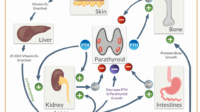
Vitamin D is often treated as a “sunshine vitamin,” but it functions more like a steroid hormone. After conversion in the liver and kidneys, the active form—commonly referred to as calcitriol—binds to the vitamin D receptor (VDR). This receptor is not confined to bone tissue. It appears in pancreatic beta cells, immune cells, adipocytes, and various insulin-responsive tissues.
Think of VDR activation as a transcriptional conductor. It influences genes involved in insulin secretion, inflammatory tone, and cellular insulin responsiveness. When vitamin D is low, multiple pathways can tilt toward impaired glucose handling. Some people notice only metabolic changes. Others experience fatigue, musculoskeletal discomfort, or simply a worsening of blood sugar patterns.
Vitamin D’s relationship with insulin sensitivity is frequently described through mechanisms that include reduced inflammation, improved insulin receptor signaling, and enhanced pancreatic function. Still, the story isn’t linear. Levels can be affected by body fat distribution, diet quality, latitude, skin pigmentation, and lifestyle behaviors—each capable of changing the metabolic “terrain.”
GLP-1 Signaling: The Hormonal Bridge to Glucose Control
GLP-1 (glucagon-like peptide-1) is an incretin hormone released from the gut after food intake. Its primary reputation comes from its ability to enhance insulin secretion in a glucose-dependent manner. When blood glucose is high, GLP-1 helps the pancreas secrete more insulin. When glucose is lower, it helps prevent excessive insulin release. That “glucose-aware” behavior is one reason GLP-1-based therapies can be safer for many people than strategies that drive insulin aggressively regardless of glucose levels.
GLP-1 also slows gastric emptying. This delays glucose appearance in the bloodstream, smoothing post-meal spikes. It can reduce appetite and support weight management, which indirectly improves insulin sensitivity. Additionally, GLP-1 may influence glucagon secretion, shifting the balance toward less hepatic glucose output.
In other words, GLP-1 doesn’t merely treat numbers. It reshapes timing, quantity, and hormonal cross-talk. Insulin sensitivity is affected not only by how much insulin is present, but by how effectively cells respond to it—especially in muscle and liver.
Why Insulin Sensitivity Is the Common Thread
Insulin sensitivity describes how readily body tissues respond to insulin. When sensitivity declines—often called insulin resistance—glucose enters cells less effectively. The pancreas compensates by producing more insulin. Over time, the compensatory machinery can fatigue, leading to higher fasting glucose, worsening postprandial excursions, and eventually prediabetes or type 2 diabetes.
Insulin sensitivity is influenced by oxidative stress, lipid accumulation, inflammation, mitochondrial efficiency, and adipose tissue signaling. Vitamin D and GLP-1 connect to these domains in complementary ways. Vitamin D can nudge inflammatory signaling toward a calmer profile. GLP-1 can improve glucose flux patterns and reduce appetite-driven overeating.
The “connection” is therefore not one single pathway. It is a network effect. When multiple branches converge—hormonal, immune, and metabolic—the impact on insulin sensitivity becomes more coherent.
Potential Biological Mechanisms Linking Vitamin D and GLP-1
One reason researchers discuss this partnership is the possibility of intersecting signaling pathways. Vitamin D, via VDR, may influence the expression of genes involved in insulin production and insulin sensitivity. It may also modulate inflammatory mediators that can blunt insulin signaling. Chronic inflammation is known to interfere with insulin receptor function and downstream glucose uptake.
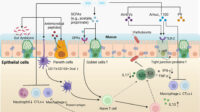
GLP-1 signaling pathways involve cyclic AMP (cAMP) and intracellular phosphorylation cascades that affect insulin secretion and beta-cell function. If vitamin D improves beta-cell health and reduces inflammatory stress, beta cells may respond more robustly to incretin signals. In that scenario, GLP-1’s benefits could be amplified by a more favorable baseline hormonal and immune environment.
There is also the question of adiposity and adipokines. Vitamin D status may relate to fat distribution and metabolic inflammation. GLP-1 can reduce caloric intake and alter body weight dynamics. Weight loss often improves insulin sensitivity quickly in some individuals. But the magnitude of improvement can vary, and baseline nutrient status—vitamin D included—may partially explain the variance.
Metabolism is rarely a straight line. It is closer to a symphony with overlapping cues. Vitamin D may tune certain instruments, while GLP-1 changes the tempo and timing.
Clinical Patterns: What People Often See in Real Life
Many readers encounter two common scenarios. First, individuals with limited sunlight exposure, darker skin types, darker indoor lifestyles, or higher body mass often present with low vitamin D. Second, individuals with impaired glucose tolerance frequently use or consider GLP-1-based approaches—either lifestyle-assisted or pharmacologically supported.
In practice, insulin sensitivity often improves when weight decreases, inflammation falls, and glucose excursions become less dramatic. If vitamin D deficiency contributes to systemic inflammation or impaired beta-cell resilience, correcting it might help the body “meet” GLP-1 halfway. Conversely, even with GLP-1 therapy, severe vitamin D deficiency could be a missing puzzle piece that limits metabolic recovery.
It’s also important to avoid oversimplification. Not everyone with low vitamin D has poor insulin sensitivity, and not everyone on GLP-1 therapies improves in the same way. Genetics, sleep quality, activity levels, concurrent medications, and dietary composition can all modify outcomes.
Different Types of Content Readers Can Expect
This topic lends itself to multiple content styles—each useful in a different context. Some articles provide biochemical explanations, mapping how receptors, transcription factors, and signaling molecules interact. These “mechanism-forward” pieces help readers understand why correlations may exist.
Other content types focus on clinical guidance: how to interpret vitamin D tests, how to consider insulin resistance screening, and what markers may be discussed in conversation with healthcare professionals. These “decision-oriented” resources often include practical framing—testing intervals, risk stratification, and lifestyle levers.
Readers also benefit from case-style narratives that show the human side. For example, a person with sedentary habits might improve glucose control after starting a GLP-1 strategy and gradually addressing vitamin D through safer sun exposure habits or supplementation. These stories are not replacements for medical advice, but they make abstract mechanisms feel tangible.
Finally, evidence summaries can be helpful. These provide careful, contextual reading of study outcomes without exaggeration. They often compare whether effects are consistent across populations and whether outcomes are independent or mediated by weight loss.
Testing, Targets, and Safety Considerations
If you suspect vitamin D insufficiency, the most relevant step is measuring serum 25-hydroxyvitamin D. This form reflects vitamin D stores more accurately than short-term fluctuations. Clinicians may interpret results alongside calcium levels, kidney function, and risk factors for malabsorption or bone disorders.
Supplementation can be beneficial when deficiency is present, but it must be handled with precision. Overcorrection can carry risks, including hypercalcemia. This is why dosing is usually individualized rather than guessed.
When it comes to GLP-1 and insulin sensitivity, safety and suitability also matter. GLP-1-based therapies are prescription interventions. People considering them should discuss contraindications, side effects, and expected benefits. Common tolerability issues include gastrointestinal symptoms. Meanwhile, insulin sensitivity changes may occur gradually, influenced by diet quality, physical activity, and body weight trends.
Safety is the bridge between theory and practice. Mechanistic optimism has to be matched with clinical prudence.
Lifestyle Synergy: Sunlight, Nutrition, and Movement
Vitamin D status can be influenced by sunlight exposure and dietary intake. However, the safest sunlight strategy varies by skin type, geography, and risk factors for skin damage. Rather than chasing extremes, many people benefit from consistent, moderate approaches.
Nutrition also matters. Dietary patterns that support metabolic health—fiber-rich foods, adequate protein, and reduced ultra-processed intake—can improve insulin sensitivity directly. GLP-1’s appetite effects often make it easier to sustain such dietary changes. When food choices become less chaotic, glucose curves flatten.
Movement adds another layer. Resistance training and aerobic activity improve insulin sensitivity through GLUT4 translocation, improved mitochondrial function, and better lipid handling. In that setting, vitamin D might support muscle function, while GLP-1 helps reduce overeating and post-meal glucose spikes.

The Bottom Line: A Network, Not a Single Switch
The connection between vitamin D and GLP-1—both as biological players and as therapeutic considerations—can be understood as a network of effects on insulin sensitivity. Vitamin D may prime insulin-responsive tissues by modulating inflammation and supporting cellular signaling. GLP-1 improves glucose regulation through insulin secretion, appetite modulation, and altered digestive timing.
When these influences align—through adequate vitamin D status, thoughtful nutrition, safe movement, and appropriate clinical care—insulin sensitivity may improve more reliably. The most valuable approach is not to treat vitamin D or GLP-1 as isolated levers. It is to view them as complementary components of metabolic resilience.
Insulin sensitivity isn’t only about a lab value. It is about how the body behaves after meals, during stress, and over time. Vitamin D and GLP-1 both influence that behavior. The emerging understanding makes a clear point: the endocrine system is collaborative, and metabolic health responds when multiple signals move in the same direction.