Weight loss medications can feel like a door opening to a different version of you—one where cravings loosen their grip and routine becomes easier. Yet behind the spotlight of scale victories lives a quieter variable: vitamin D. It’s easy to treat vitamin D like background décor, something checked “later,” but the truth is more intriguing. When you’re on appetite-modifying or metabolism-influencing drugs, your body’s nutritional choreography may shift. Testing vitamin D isn’t merely a medical checkbox; it’s a way to recalibrate what’s happening beneath the surface.
Why Vitamin D Becomes a Plot Twist During Weight Loss
Vitamin D is often remembered for bones and sunlight, but it’s also woven into muscle function, immune signaling, and energy regulation. During weight loss, especially when medication alters appetite and intake, the “fuel mix” entering your body can change quickly. A subtle deficiency might not announce itself with dramatic symptoms. Instead, it may manifest as sluggish recovery, persistent aches, unusual fatigue, or mood dullness—things people often attribute to dieting alone.
Consider it a perspective shift: rather than asking, “Am I tired because I’m dieting?” you ask, “Could my vitamin D status be influencing my fatigue threshold?” That question alone changes the narrative. It invites curiosity, not blame.
Some weight loss drugs can also affect gastrointestinal comfort and nutrient absorption indirectly. Even if the medication itself doesn’t specifically target vitamin D, the downstream effects of reduced intake, altered meal timing, and changes in gut physiology can nudge vitamin D levels in unexpected directions.
Setting the Stage: What “Testing Vitamin D” Actually Means
When people say “test vitamin D,” they often mean a blood test that measures 25-hydroxyvitamin D—the most reliable marker of vitamin D status. This is where nuance matters. Your body can produce vitamin D from sunlight, obtain some from dietary sources, and convert it through internal pathways. The 25(OH)D reading reflects the total pool that your tissues can draw upon.
There’s also the question of targets. “Normal” lab ranges vary, and different clinicians may interpret borderline values differently—especially when someone is actively losing weight. Rather than treating numbers as absolutes, it helps to view them as coordinates. Your optimal zone depends on your baseline risk factors, symptoms, and overall plan.
Ask for clarity on units (ng/mL or nmol/L), the measured value, and whether the result is “insufficient,” “low,” or “adequate” per that lab’s framework. A well-explained lab report can turn ambiguity into a roadmap.
Timing the Test: Before Starting vs. During the Diet Phase
Timing isn’t just logistical—it’s interpretive. Testing right before initiating a weight loss medication creates a baseline, like capturing the first scene of a film before the plot accelerates. That baseline becomes a reference point when you see how your body responds over time.
If testing before starting isn’t possible, testing early in the regimen still provides valuable intelligence. Many clinicians recommend rechecking after a period of supplementation and dietary change, often in the range of several weeks to a few months. This window allows vitamin D levels to stabilize after intake adjustments.
A smart approach is to treat testing as an evolving conversation, not a one-time interrogation. If you start at a low level and supplement consistently, the follow-up test helps confirm whether the plan is actually working.
Knowing Who Should Test Sooner (Not Later)
Some people have a higher probability of low vitamin D and benefit from earlier testing. This includes individuals with limited sun exposure, darker skin tones (which may reduce cutaneous vitamin D synthesis), older age, obesity, malabsorption disorders, chronic kidney or liver conditions, and those who wear extensive sun-protective clothing.
If you’re on weight loss drugs, the “obesity factor” can be especially relevant. Vitamin D may become less bioavailable when body stores are distributed differently. In plain terms: even if you’re supplementing, your body’s handling of vitamin D can be more complex.
Family history of osteoporosis or frequent fractures also changes the urgency. Muscle and bone are an ecosystem; ignoring vitamin D while trying to transform your body composition is like rebuilding a house without checking the foundation.
How Your Doctor May Interpret Results (and What to Ask)
Interpretation is where curiosity becomes powerful. Don’t just ask, “Is it low?” Ask what the value means for you. For example: Is your level borderline? Are you trending downward? Are you symptomatic? Are you likely to have reduced intake due to medication-related appetite changes?
Good follow-up questions include:
• “What target range do you recommend for someone on a weight loss program?”
• “Do you suspect absorption issues, or is intake likely the main driver?”
• “Should we recheck in X weeks after starting supplementation?”
• “Would you like me to test calcium, phosphorus, parathyroid hormone (PTH), or kidney function to understand the full picture?”
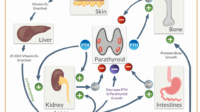
Those questions might sound like extra steps, but they’re designed to reduce guesswork. Vitamin D doesn’t act alone; it interacts with calcium regulation and endocrine signaling.
Choosing Supplementation Wisely: Avoiding the “More Is Better” Myth
Once you know your vitamin D level, the next step is dosing strategy. It’s tempting to pick a high dose immediately—especially when weight loss momentum is already intense. But excessive supplementation can be harmful, leading to elevated calcium levels and other complications.
Instead, think in calibrated increments. A clinician may recommend a daily maintenance dose or a short-term higher dosing protocol if levels are clearly low. The right approach depends on your initial value, risk factors, and how reliably you can take supplements alongside your medication schedule.
Also consider formulation. Vitamin D3 is commonly used, and many people benefit from taking it with a meal that includes some dietary fat. That small behavioral detail can influence absorption enough to matter.
Medication Timing and Absorption: Building a Simple Routine
Weight loss medications often come with specific instructions—timing around meals, hydration guidelines, and sometimes constraints on what can be taken at the same time. Vitamin D supplements are usually flexible, but building a routine helps reduce missed doses.
Consider aligning your vitamin D with a stable part of your day: for instance, with your first meal or with a meal that contains fat. Consistency is the silent engine of results. Long gaps are like leaving your measurement tools in storage.
If you’re also taking calcium, magnesium, or multivitamins, spacing can matter. Some minerals compete for absorption, so asking for a simple “schedule map” can prevent accidental inefficiency.
Sunlight, Diet, and the New Reality of “Intake”
Sunlight remains a lever, but it’s not always controllable. Weather, latitude, skin coverage habits, and workplace routines can reduce exposure. Diet matters too—fatty fish, fortified dairy alternatives, egg yolks, and certain fortified cereals can contribute.
However, when appetite shifts due to weight loss drugs, dietary patterns may become narrower. The result can be a reduced variety of foods, which can unintentionally shrink vitamin D intake. In that context, testing becomes not only a health safeguard, but an adaptation tool.
Reframe nutrition from “willpower” to “data-informed adjustment.” If your vitamin D is low, the problem isn’t your character; it’s your current inputs.
What Symptoms to Watch For (Without Overreacting)
Vitamin D deficiency can be subtle. Some people experience muscle weakness, generalized aches, bone discomfort, or reduced exercise tolerance. Others notice changes in mood or fatigue patterns. But symptoms overlap with common dieting effects—sleep disruption, stress, reduced caloric intake, or electrolyte imbalance.
This is where testing earns its authority. Rather than chasing sensations, use symptoms as a hint and laboratory results as the compass. A lab value doesn’t invalidate how you feel; it explains how the body is likely interpreting your current conditions.
Follow-Up Testing: Tracking Progress Like a System
After supplementation begins, follow-up testing helps confirm that vitamin D is responding. It also helps determine whether you need a higher dose, a different schedule, or investigation of absorption or endocrine factors.
Think of it as performance analytics. You wouldn’t keep changing workout programs without checking outcomes. Vitamin D testing operates similarly: it turns uncertainty into a measurable trend.
If your recheck shows improvement, you can maintain your regimen. If it doesn’t, the conversation expands—dietary changes, adherence review, absorption considerations, or additional labs.
Practical Checklist: A Calm Path Through the Process
Use this small checklist to keep the journey orderly:
• Request a 25(OH)D blood test for baseline measurement.
• Consider timing: pre-start if possible, or early during treatment if not.
• Ask about related labs if results are low or borderline (calcium, PTH, kidney function).
• Start supplementation only with guidance tied to your result.
• Align dosing with meals for consistent absorption.
• Recheck after a clinically appropriate interval to confirm the trajectory.
• Keep diet and sunlight exposure part of your strategy—not as perfection, but as continuity.
Vitamin D testing can feel clinical, yet it’s deeply personal in practice. It helps you replace guesswork with clarity, and it reframes weight loss from a single outcome into a balanced physiological transformation.