Some supplements are dependable. Others feel like they’re always “almost there.” Vitamin D sits in that second category for many people—especially when the label says D2 instead of D3. If you’ve ever wondered why D2 seems to promise a glow-up but delivers a smaller lift, you’re not imagining it. The story is subtler, biochemical, and surprisingly persuasive once the pieces click into place.
1) The Core Difference: D2 vs D3 Isn’t Just a Label
Vitamin D2 and vitamin D3 are cousins, but they don’t behave identically after they enter the body. Both can contribute to vitamin D status, yet their journey through metabolism is not a mirror image. Think of them as two keys cut for the same lock—one turns smoothly, the other works, but with more friction.
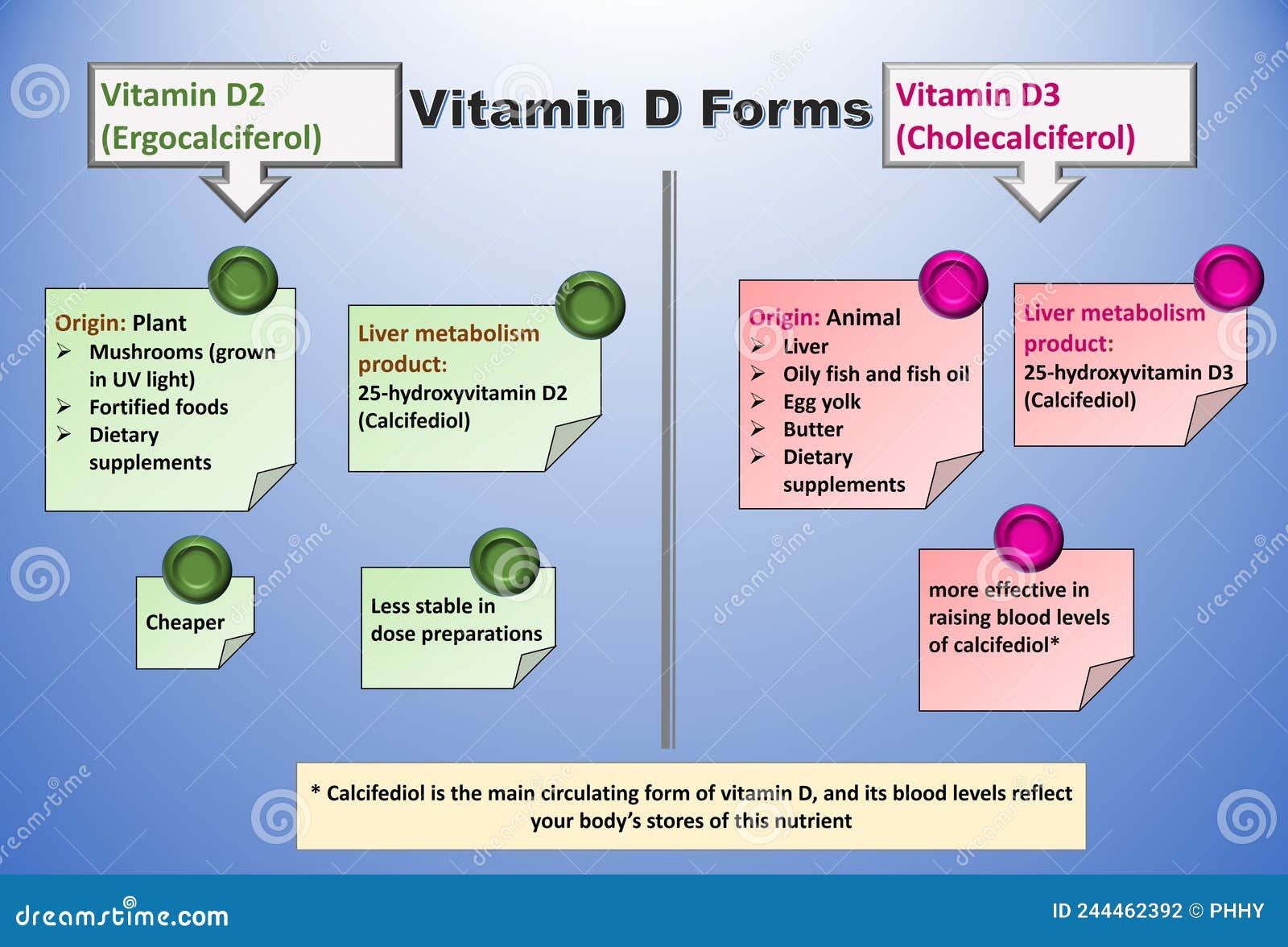
D3 (cholecalciferol) is closer to what your body naturally produces in response to sunlight. D2 (ergocalciferol) is typically plant-derived, and while it can be converted, the conversion efficiency and downstream “currency” in the bloodstream can tilt in D3’s favor.
This isn’t merely academic. If your goal is to raise 25-hydroxyvitamin D—the marker commonly used to gauge vitamin D stores—then the “how well each form accumulates” question becomes the heart of the matter.
2) Bioavailability and Metabolic Conversion: Where the Gap Appears
Vitamin D works like a relay race. After ingestion, it’s transformed into active forms through enzymes in the liver and kidneys. The initial form matters because the later transformations depend on starting composition, binding dynamics, and how readily each form is processed.
Many people expect that “vitamin D is vitamin D.” But the body doesn’t treat D2 and D3 as perfectly interchangeable substrates. D3 is often converted more efficiently and tends to yield a more robust rise in circulating levels. D2 can work, yet the magnitude and duration of the increase may be less impressive.
Put differently: D2 can enter the bloodstream and travel forward, but D3 may travel with a stronger propulsion system—less resistance, more traction.

3) The “Binding and Clearance” Reality: Stability in Circulation
After vitamin D forms are produced and circulate, they interact with binding proteins, distribute through tissues, and eventually face clearance. If one form binds in a way that supports longer circulation—or is less prone to rapid clearance—that form will often produce higher, steadier levels.
D3 has a reputation for behaving more like a durable traveler. It tends to persist and accumulate more effectively, which can translate into higher measured 25-hydroxyvitamin D. D2, by contrast, can produce an increase, yet the plateau may arrive sooner or the drop may occur more quickly once intake stops.
That difference can feel like an emotional narrative: D2 raises your hopes, then the numbers don’t stay loyal. D3 raises your levels and keeps them closer to target for longer.
4) Potency in Practice: The Numbers That People Actually Care About
There’s a common assumption that supplement labels provide the whole truth. However, outcomes are what matter: how much your blood levels rise, and how consistently they remain elevated.
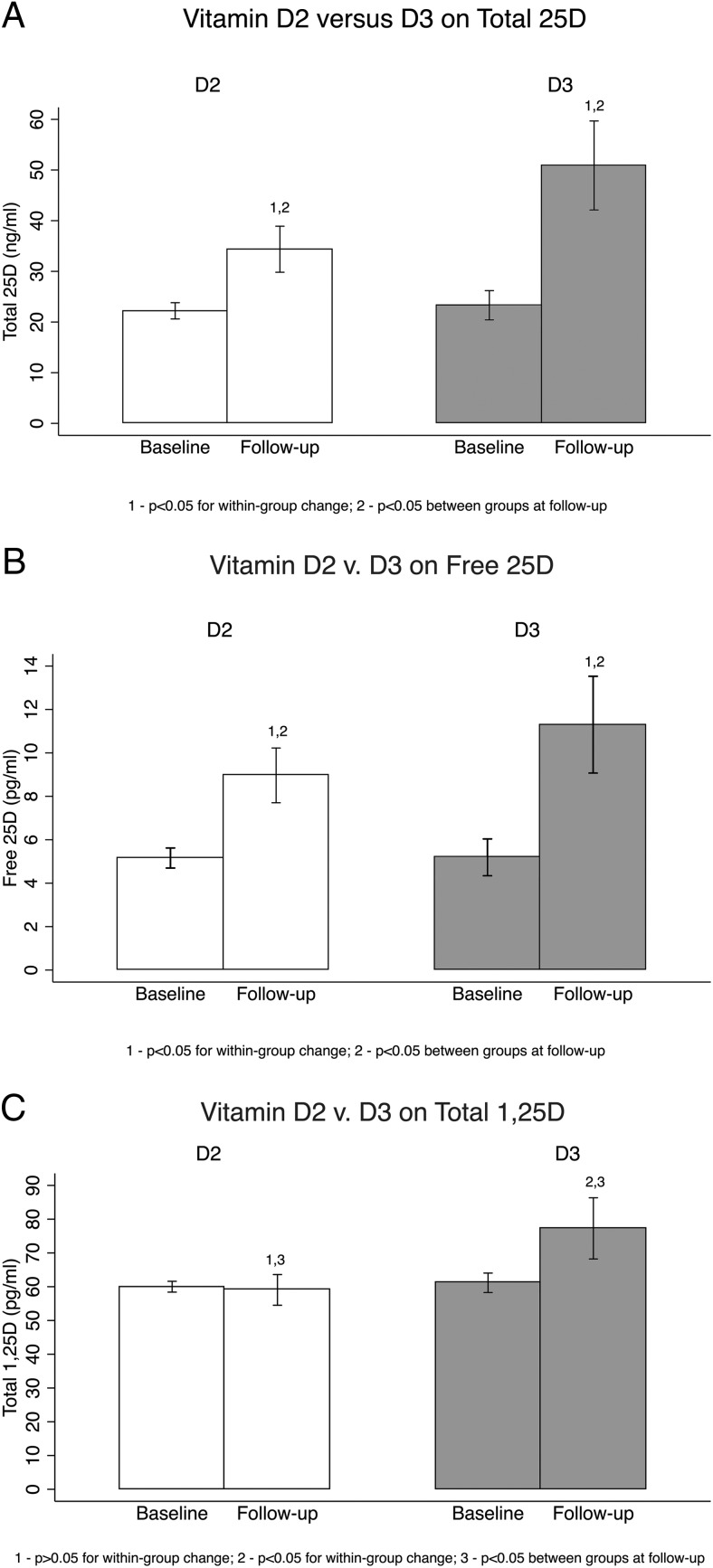
In real-world supplementation, D3 often outperforms D2 in raising total 25-hydroxyvitamin D. The gap isn’t merely “small.” For some people, it’s the difference between approaching a target range and still feeling underwhelmed by lab results.
When researchers compare high-dose D2 versus D3, the results frequently highlight D3’s stronger effect on both total and free vitamin D fractions. Free vitamin D matters too, because it reflects the biologically available pool—like the difference between a warehouse full of inventory and inventory that can immediately be used.
5) “Free” Vitamin D and the Subtle Details of Availability
Vitamin D is carried through the bloodstream, but not every molecule is equally available for use. Binding proteins can sequester some forms, altering how much is accessible for tissue-level needs. That’s where the concept of free versus total vitamin D becomes intriguing.
Even if total levels appear similar, the biologically usable portion may differ. D3’s tendency to support higher levels of certain fractions can make its advantage feel more tangible—not just in lab values, but potentially in how people experience the downstream effects of adequate vitamin D status.
In plain terms: your body might “receive” D2, but D3 may deliver more of it to the places where it can actually matter.
6) Duration Matters: Why D3 Often Feels More “Reliable”
Vitamin D status isn’t a one-week event. It’s a slow-building system that responds to sun exposure, dietary intake, and storage dynamics. If D2 boosts levels but doesn’t sustain them, the experience can be confusing.
Some individuals notice that D2 helps initially, but lab markers drift downward sooner. That can create the impression that D2 is “weaker,” even when it’s still functional. The more accurate interpretation is that its effect may be less durable in the bloodstream.
D3’s longer-lasting profile can feel like turning the thermostat rather than flicking a switch. The change holds.
7) Bone Health, Muscle Function, and the Downstream Story
Vitamin D is best understood as a supporting actor in a larger plot. It influences calcium absorption, affects bone mineralization, and contributes to muscle function. People often focus on the supplement choice, but what they truly want is performance over time—stronger bones, better muscle mechanics, and the quiet reassurance that deficiency isn’t silently rewriting their physiology.
When D3 elevates vitamin D stores more effectively, it can create a more dependable environment for calcium economy. That can support bone health better than a form that raises levels less robustly.
It’s not a guarantee of perfect outcomes—individual absorption, baseline deficiency, body composition, and adherence all influence results. Still, the general pattern frequently favors D3 when measured improvements are the goal.
8) Curiosity to Action: How to Choose Without Getting Trapped by Myths
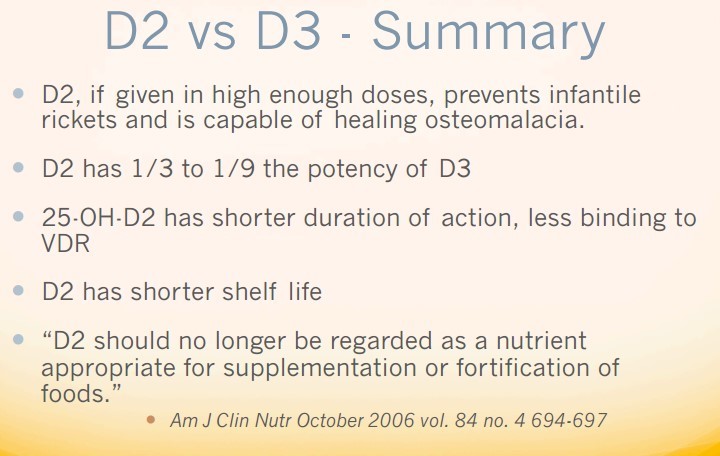
So, should D2 be ignored? Not exactly. D2 can still contribute to vitamin D status, and some people tolerate it well or prefer it for dietary reasons. The real shift in perspective is this: if the goal is reliably raising vitamin D levels, D3 often offers a more potent, steadier path.
Before changing supplements, it’s wise to check baseline vitamin D status with a lab test, then recheck after a period of supplementation. The body keeps its own ledger. Let it show you what’s happening rather than trusting assumptions.
Also consider the bigger context. Sun exposure patterns, dietary habits, seasonality, and absorption factors (like gut health and certain medications) can all influence how any vitamin D form performs. D3 may start with an advantage, but the overall plot still depends on the entire cast.
9) A Final Reframe: Not “Which Is Better,” but “What Works for Your Body’s Math”
Vitamin D2 doesn’t raise levels as well as D3 for reasons that extend beyond chemistry into metabolism, circulation stability, and functional availability. D3 tends to behave like a more efficient currency—converted more effectively, persisting longer, and supporting a higher measured pool in many comparisons.
Once that frame clicks, the choice feels less like a product debate and more like a strategy. You’re not simply picking a supplement. You’re choosing the form your physiology is most likely to leverage successfully.
That’s the promise worth shifting toward: not hype, not theater—just a clearer understanding of why D3 often delivers more consistent results when the body’s goal is to maintain vitamin D sufficiency.