Vitamin D is one of those nutrients that feels deceptively simple—until your body refuses to cooperate. If you’ve ever wondered why a “normal” dose seems underwhelming, especially in the context of malabsorption, you’re not alone. The fascination with an emulsified vitamin D formulation isn’t just marketing poetry. It’s a practical response to a deeply biological problem: when digestion and uptake are impaired, the form of a nutrient matters as much as the number on the label.
Why Malabsorption Changes the Vitamin D Story
Malabsorption is not a minor inconvenience; it’s a disruption of the nutrient absorption cascade. In a healthy system, vitamin D—fat-soluble by nature—travels with bile and dietary lipids through the intestinal environment. Then, it’s absorbed via pathways that are sensitive to micelle formation and enterocyte uptake. When any link in that chain is weakened, vitamin D can become stranded. You may take it consistently, yet blood levels remain stubbornly low.
This is where the “common observation” starts to sound familiar: people often report that they don’t feel the benefit they expected, or that their 25(OH)D levels don’t rise adequately after standard supplementation. It’s tempting to interpret this as noncompliance or insufficient dosing. But deeper mechanisms frequently lurk underneath—altered bile secretion, pancreatic insufficiency, inflammatory disruption of the gut barrier, or altered lipid handling from celiac disease to inflammatory bowel conditions.
Vitamin D Forms: Why “Emulsified” Matters
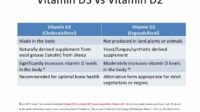
Vitamin D is commonly available as cholecalciferol (vitamin D3). Yet vitamin D’s journey through the body depends on how it’s packaged. Many conventional supplements rely on oil-based delivery systems. That can be perfectly fine for someone with normal fat digestion. However, in malabsorption, the intestine may struggle with lipid emulsification and transport.
An emulsified formulation pre-processes the delivery. Instead of requiring the digestive system to break down and disperse the vitamin within fat, emulsification increases dispersion at a micro-level. This can improve contact between the nutrient and the absorptive surface. The result is often a more “bioavailable” experience—less waiting, more uptake.
In other words, emulsified vitamin D is like changing the delivery route from one that assumes ideal traffic to another designed for congested streets. The body is not failing; it’s operating under constrained conditions.

The Biochemistry Behind Emulsified Delivery
Vitamin D absorption is intertwined with micelles—tiny lipid carriers created in the small intestine. These micelles act as couriers. When bile is reduced, when pancreatic enzymes are insufficient, or when inflammation alters the intestinal environment, micelle formation and effective transport can falter.
An emulsified product often supports the process earlier, encouraging better dispersion and potentially improving the efficiency of absorption. It doesn’t replace digestion entirely, but it can reduce the burden placed on compromised steps. Think of it as providing a smoother interface between the nutrient and the gut’s absorptive machinery.
There’s also a second layer of fascination. Emulsified formulations can help address variability. Two individuals may both have “malabsorption,” yet the underlying physiology differs. Some people struggle more with bile-related issues; others with mucosal integrity. A delivery system that improves dispersion has the potential to be more forgiving across these differences.
Choosing the Best Formulation: What to Look For
The “best” emulsified vitamin D formulation is rarely only about dosage. It’s about the complete design. Here are practical features worth prioritizing:
1) Vitamin D3 (cholecalciferol): Most clinicians and researchers prefer D3 due to its potency and stability in raising and maintaining 25(OH)D.
2) True emulsification: Look for clear formulation language that indicates emulsified delivery rather than simply “liquid.” Some products are dissolved in carriers without enhancing emulsification.
3) Appropriate excipients: Certain surfactants and oil systems can support emulsification. If you have sensitivities, review ingredients carefully.
4) Consistent dosing: Vitamin D is not a nutrient you want to treat like an occasional experiment. Stability matters.
5) Transparent labeling: Confirm the exact amount of vitamin D per serving and avoid ambiguous “proprietary blend” descriptions.
Finally, consider the route of administration—capsule, drop, or liquid. For some, a drop-based option is easier to titrate. For others, stability and convenience win. The best choice is the one you can take reliably, in the form that best fits the absorption reality of malabsorption.
How Much? Titration, Targets, and Safety
For malabsorption, dosing often needs personalization. A common pattern is starting with a conservative baseline and adjusting based on lab results and clinical response. The target is typically measured as 25(OH)D, the main circulating form reflecting vitamin D status.
Because vitamin D is fat-soluble, the safety conversation isn’t optional. Excessive dosing can contribute to hypercalcemia and elevated calcium-related symptoms. That’s why monitoring is so valuable—especially in people with malabsorption where absorption dynamics can be unpredictable at first.
Short sentences help here: start, measure, adjust. Long-term consistency helps as well. Vitamin D metabolism is not a one-week story. It’s a seasonal narrative—one that unfolds across months.
Signs You Might Need an Emulsified Approach
If vitamin D supplements haven’t worked as expected, it may not be “bad luck.” Consider patterns such as persistently low 25(OH)D despite adherence, ongoing deficiency symptoms, or risk factors that are known to interfere with fat absorption. These may include:
• Celiac disease or gluten-related enteropathy
• Inflammatory bowel disease
• Pancreatic insufficiency
• Cholestatic conditions or bile flow issues
• History of bariatric surgery
• Chronic use of medications that alter fat digestion or bile dynamics
Sometimes, there are indirect clues too. Energy levels can lag, muscle aches may persist, or bone health concerns can surface. But the most decisive indicator remains the lab value—measured and trended over time.
Beyond Absorption: The Fascination with the “System Effect”
Vitamin D doesn’t act in isolation. It intersects with calcium, magnesium, and vitamin K in ways that influence bone mineralization and neuromuscular function. In malabsorption, related nutrients may also be affected. That’s why some people experience “almost improvement” when they correct vitamin D but don’t address the broader biochemical environment.
Emulsified vitamin D can be the opening act. The deeper fascination is what follows: improved vitamin D status may support calcium handling, muscle function, and immune signaling—pathways that can feel surprisingly interconnected once the right starting point is chosen.
Practical Integration: Timing, Consistency, and Lifestyle
Even an emulsified formulation performs best when taken consistently. Many people absorb fat-soluble nutrients better with meals. Still, individual tolerance varies. A structured approach helps: take it at the same time each day, pair it with food when appropriate, and avoid frequent skipping.
Also, consider lifestyle variables. Sun exposure can influence vitamin D status, and seasonal changes can shift levels. If you already get sunlight, supplementation needs may differ. If you have limited sun exposure, dosing may require a more robust plan.
When to Seek Clinical Guidance
Malabsorption often signals an underlying condition that benefits from medical attention. If vitamin D deficiency is persistent, it’s wise to discuss formulation choice and dosing strategy with a qualified clinician. They can interpret lab trends, review contributing deficiencies, and ensure the approach aligns with the specific cause of malabsorption.
Short takeaway: emulsified vitamin D can be a smarter delivery strategy when absorption is compromised. It helps the body work with its constraints rather than against them.
Closing Perspective: Choosing the Right Form Is a Quiet Advantage
The appeal of emulsified vitamin D is ultimately practical. It acknowledges physiology. It anticipates that digestion is not uniform across bodies, and that malabsorption rewrites the rules. When a formulation matches the absorption landscape, the results become less mysterious.
For many, the “best” formulation isn’t the one with the most impressive claims. It’s the one that delivers vitamin D in a way the gut can actually use—quietly, consistently, and with less friction in the journey from supplement to status.