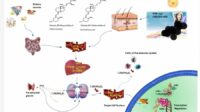
Imagine your immune system as a vigilant orchestra—always listening, always adjusting, always trying to stay in tune. Now imagine one missing instrument quietly throwing off the entire performance. For many people, that missing note is vitamin D. When your vitamin D status is low, the body’s immune “conductors” have to work harder, sometimes with less precision. The result can look like seasonal vulnerability, slower recovery, or a persistent feeling of being just a little “off.” This protocol invites you to shift perspective: instead of chasing random remedies, you’ll cultivate immune resilience with vitamin D—methodically, naturally, and with intention.
Reframing Immunity: From Reaction to Readiness
Most people think immunity is a reaction—something your body does after a threat arrives. But true resilience is proactive. It’s the state of readiness that helps your defenses respond faster and with better calibration. Vitamin D plays a quiet but influential role in this readiness. It’s not merely about bone health; it’s also about immune modulation—how your body balances inflammatory signals so they rise when needed and subside when appropriate.
Consider this: inflammation is not the enemy. Uncontrolled inflammation can be. Vitamin D helps nudge the immune system toward a steadier rhythm, encouraging a more sensible equilibrium between offense and restraint. When you start viewing immunity as a quality of preparedness, vitamin D becomes less of a supplement and more of a tuning mechanism.
Why Vitamin D Matters for Immune Function
Your immune cells carry vitamin D receptors, meaning vitamin D can influence immune behavior at a cellular level. It supports pathways involved in both innate immunity (your immediate, first-line response) and adaptive immunity (your longer-term, learned defense). In practical terms, that suggests vitamin D can be associated with fewer “missed signals,” meaning your body may recognize and respond to challenges more efficiently.
Vitamin D also intersects with the barrier functions that protect you from everyday exposure—like the integrity of mucosal surfaces in the respiratory tract. If those barriers are compromised, invaders gain easier access. When vitamin D status is healthier, your body is better positioned to maintain those protective frontiers.

Signs You May Be Under-Provisioned
Low vitamin D is often subtle. You might not feel “deficient” in any dramatic way. Instead, you may notice patterns: frequent seasonal illnesses, prolonged fatigue after common infections, or a sense that your recovery is slower than it used to be.
There are also contextual clues. Limited sun exposure, darker skin pigmentation, living farther from the equator, winter climates, and heavy sunscreen use without balancing habits can all reduce vitamin D synthesis. Dietary habits matter too—very few foods contain meaningful vitamin D in significant amounts.
The most reliable approach is still testing. If you can access a 25(OH)D blood test, it offers a clearer map of where your immune “orchestra” currently stands.
The Vitamin D Protocol: A Natural, Structured Approach
This protocol is designed to help you elevate vitamin D responsibly while supporting immune function through complementary habits. Think of it as a three-act plan: assess, supplement strategically, and reinforce with lifestyle.
Act 1: Assess. If possible, check your 25(OH)D level and use the result as your baseline. If testing isn’t available, proceed conservatively and monitor how you feel over time, but testing remains the gold standard for precision.
Act 2: Supplement strategically. Many adults choose a daily vitamin D3 dose. Start with a moderate amount and adjust based on your baseline and goals. Vitamin D3 is often preferred because it aligns closely with the form the body naturally produces.
Act 3: Reinforce with habits. Sunlight, diet, and sleep quality are not side quests. They are ensemble members. A comprehensive protocol improves the odds that supplementation translates into real-world immune support.
Timing, Dose, and Consistency: The Hidden Leverage
Vitamin D works best when your levels stay steady. Consistency is more powerful than intensity. Instead of occasional “hero doses,” a steady rhythm can help maintain a more stable immune environment. Many people find daily dosing aligns with real life and supports compliance.
Pair vitamin D with a meal that contains fat. Vitamin D is fat-soluble, so it absorbs more effectively when it isn’t taken on an empty stomach. This small detail can change the absorption outcome without changing the amount you take.
If you ever adjust your dose upward, do so gradually. This respects your physiology and reduces the risk of overshooting your target levels.
Food as Support: Beyond the Pill
Vitamin D can’t be “food-only” for most people, but food still matters. Fatty fish (like salmon, sardines, and mackerel), egg yolks, and vitamin D–fortified dairy or plant alternatives can contribute. The goal is synergy: supplementation plus nutrition is often more resilient than relying on a single channel.
Also consider what’s missing when vitamin D is low. Diet patterns low in omega-3 fats, micronutrients, and protein can impair immune performance. Strengthening your overall nutrition acts like expanding the immune toolkit.

Sunlight: The Original Blueprint (Handled With Care)
Sunlight stimulates vitamin D production, but it’s not a blank check. Skin protection still matters. The natural sweet spot is short, regular exposure to sunlight when appropriate—without turning skin into a battlefield. For many people, consistent moderate exposure across seasons can help reduce dependence on supplementation.
If you choose sunlight as a supporting practice, be mindful of your local UV index, your skin sensitivity, and seasonal changes. Think “steady illumination,” not “burning for results.”
Immune Support Synergy: Sleep, Movement, and Stress Chemistry
Vitamin D isn’t a lone guardian; it’s a moderator. Immune function is also influenced by sleep architecture, physical activity, and stress chemistry. When sleep is fragmented, immune signaling becomes noisy. When you move regularly, circulation and immune surveillance improve. When stress is chronically elevated, inflammatory balance can drift.
So, while you follow the vitamin D protocol, consider reinforcing the surrounding environment:
Sleep: aim for consistent bed and wake times.
Movement: include daily walking or resistance training.
Stress: practice downshifting—breathwork, journaling, or quiet routines.
These actions don’t replace vitamin D. They help it do its job more elegantly.
Safety and Monitoring: Respect the Biology
Vitamin D is fat-soluble, meaning excess can accumulate. That’s why dosing matters and why testing is valuable. If you have conditions affecting calcium metabolism, kidney issues, sarcoidosis, or you take certain medications, discuss dosing with a healthcare professional.
For most healthy adults, a conservative, well-chosen dose—paired with follow-up testing after an appropriate interval—creates a safer pathway to immune resilience. A protocol isn’t about maximalism. It’s about sustainable calibration.
What to Expect: A Shift You Can Feel
Immune improvements rarely arrive like a cinematic transformation. More often, they show up as subtle changes: you recover with less drag, you feel more robust after typical exposures, and you notice fewer “near misses.” That’s the curious part—vitamin D doesn’t always announce itself. It quietly improves your odds.
As vitamin D levels normalize, your immune system may become less reactive and more orderly. You don’t just become “less sick.” You become more balanced—more capable of handling the everyday microbial traffic that every human encounters.
Your Next Step: Begin the Protocol with Intention
Start with one decision: either get a 25(OH)D test or choose a conservative daily plan and commit to consistency. Then anchor your routine with food that supports absorption, sunlight practices that respect skin, and lifestyle foundations that stabilize immune signaling.
In time, you’ll stop thinking of immunity as a temporary shield. You’ll see it as a living system—one you can tune. Vitamin D is one of the most influential knobs in that system, and this protocol gives you a way to turn it thoughtfully.