
Imagine the digestive tract as a bustling coastal city—salt winds, tidal currents, and busy street markets all moving in synchronized rhythm. Now picture vitamin D as a vigilant lighthouse keeper. It doesn’t “directly” stop every storm, yet it steadies the shoreline by tuning the city’s chemistry, calming inflammatory weather, and helping bile behave like a well-balanced tide. If GLP-1–related gallbladder concerns have you wondering whether prevention is possible, vitamin D may be one of the quiet governors behind the scenes—an unsung sentinel influencing bile composition, immune tone, and metabolic resilience.

Vitamin D as a Molecular Lighthouse: Why “Adequate” Matters
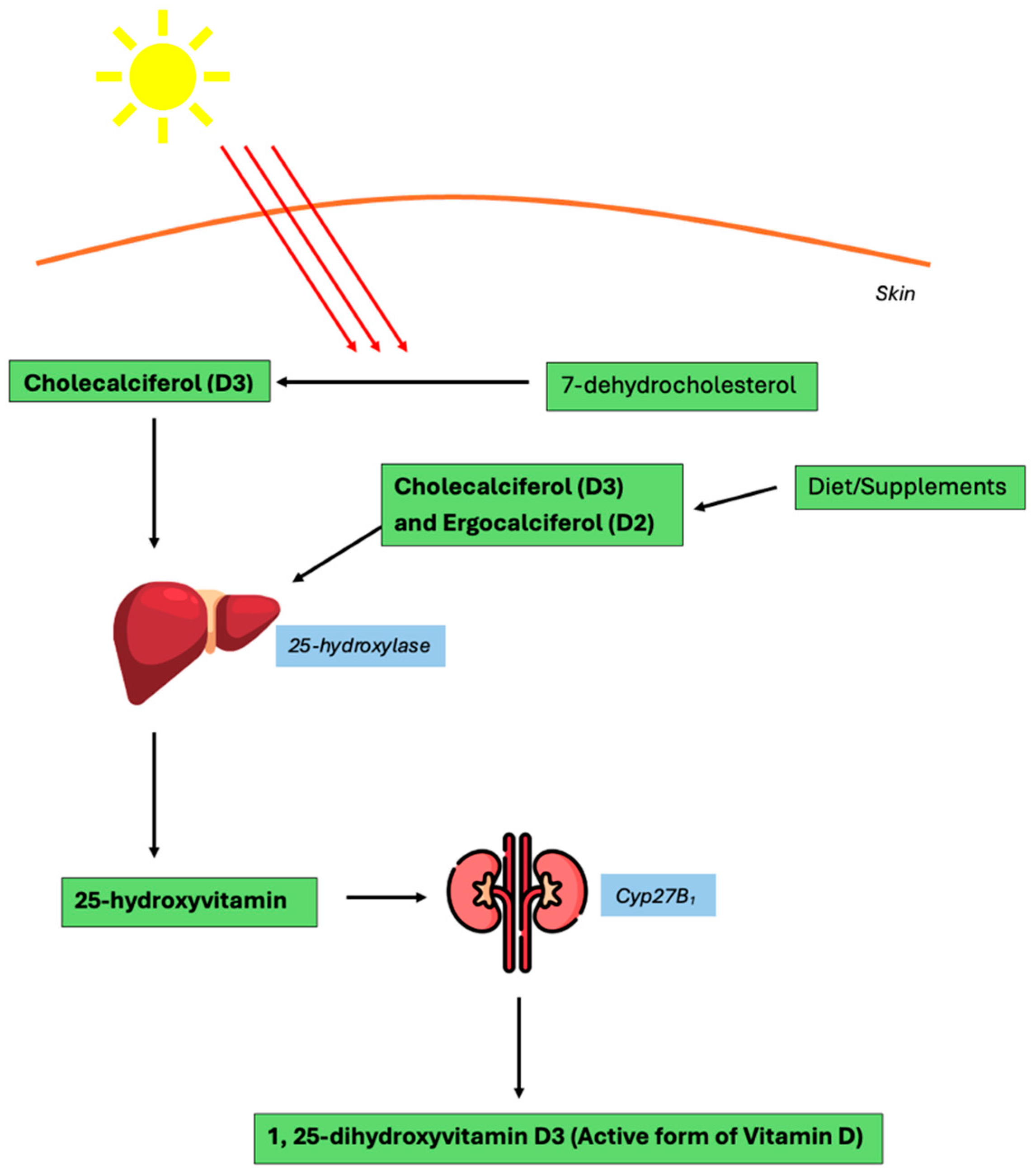
Vitamin D is not merely a vitamin in the casual sense; it is closer to a hormonal conductor. When levels are sufficient, vitamin D signaling supports calcium handling, immune modulation, and cellular communication. These functions matter for gallbladder health because gallstones are rarely random. They arise when bile becomes prone to crystallization—an event that can be fed by altered metabolism, inflammation, and shifts in bile constituents.
In a metaphorical sense, think of bile as a carefully mixed mortar. If the balance is wrong—too much of certain components, too little of others—tiny crystals can form, and crystals can grow into stones. Vitamin D helps regulate pathways that influence that mortar’s stability. The story is not “one nutrient equals one cure.” It’s more like: nutrients set the stage, and physiology performs the play.
GLP-1, Gallbladder Dynamics, and the Crystallization Cascade
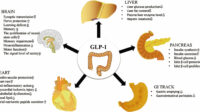
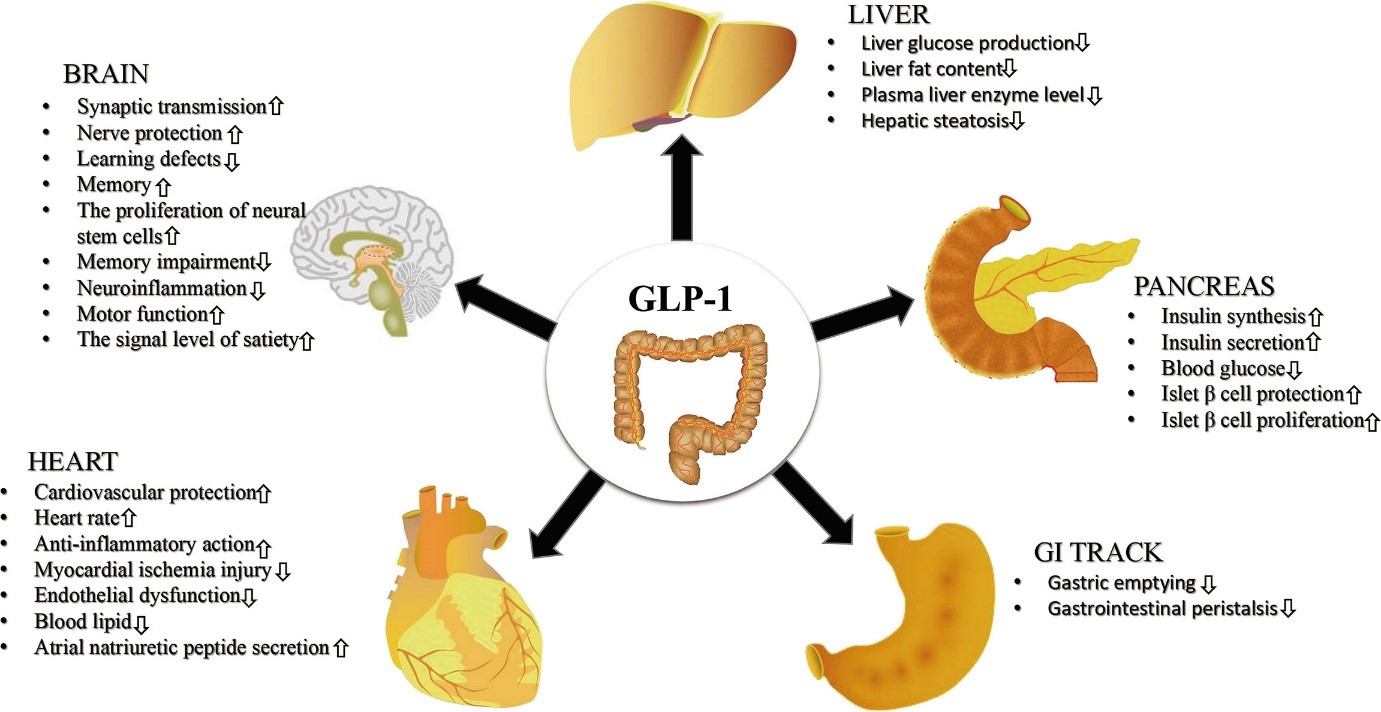
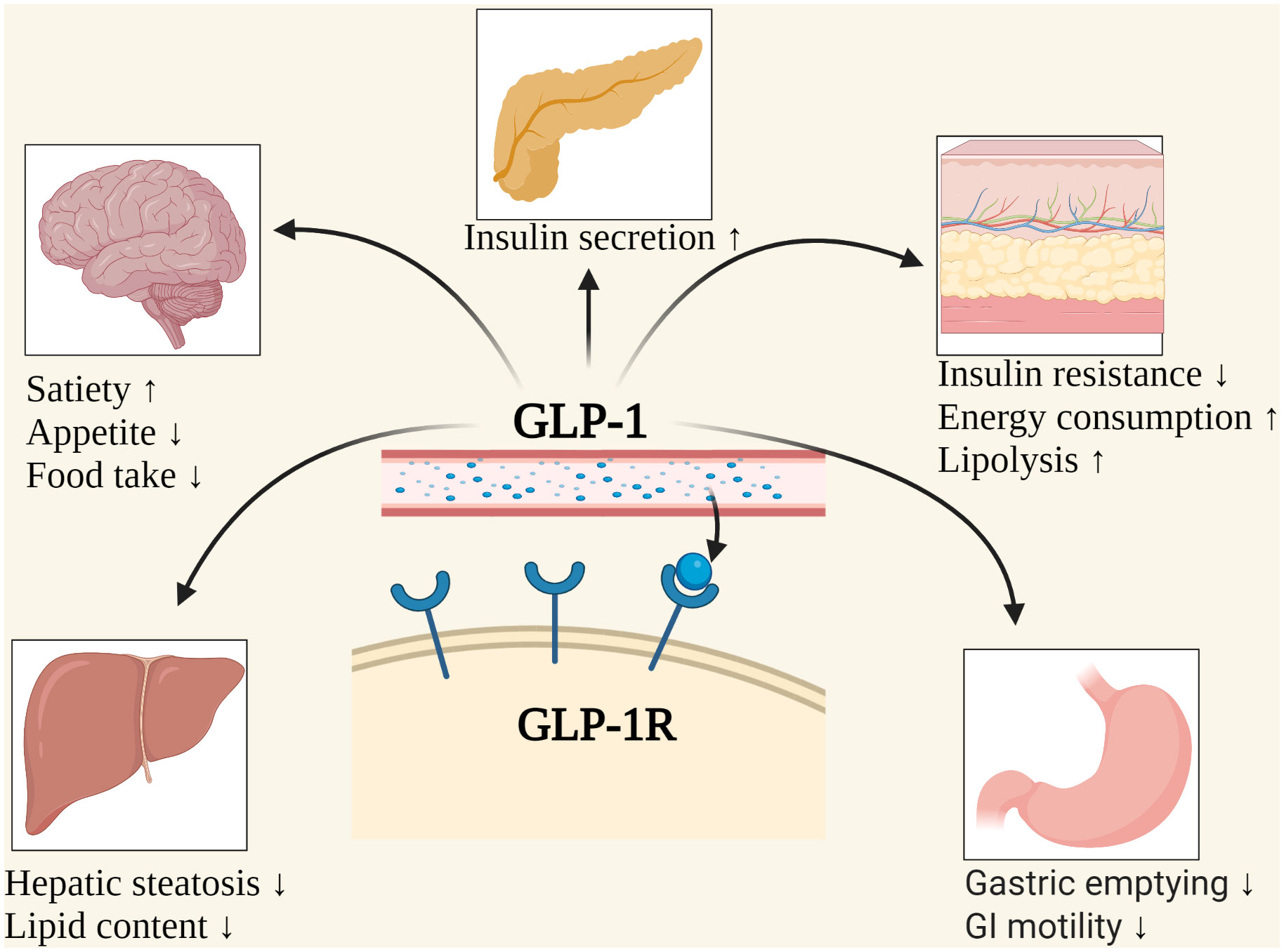
GLP-1–based therapies influence appetite, gastric emptying, and metabolic signaling. These effects can indirectly alter gallbladder motility. When gallbladder contraction becomes less frequent or bile sits longer, bile may become more concentrated. Concentration is a crucial precondition for crystallization, much like seawater evaporating under sun. The crystals that start microscopic can later become macroscopic stones.
So the core question becomes: can vitamin D reduce the likelihood that bile reaches crystallization conditions? The answer likely lies in several interlocking mechanisms—bile acid regulation, inflammatory control, and metabolic steadiness. Think of it as a multi-lock door. Even if one lock is slightly vulnerable (for instance, reduced gallbladder emptying), other locks—anti-inflammatory pathways and bile chemistry—can help keep the door shut.
Bile Composition: Vitamin D’s Role in Metabolic Alchemy
Bile is not just waste fluid; it is an engineered solution containing bile acids, cholesterol, phospholipids, and other molecules. When bile acid pools and the balance of cholesterol handling drift out of alignment, gallstones become more plausible. Vitamin D is thought to intersect with metabolic pathways that influence lipid handling and bile acid synthesis indirectly through endocrine signaling.
Consider bile acids as molecular detergents—agents that keep cholesterol suspended. If the “detergent program” is weakened, cholesterol can aggregate and crystallize. Vitamin D’s influence on metabolic regulation and gene expression may support a more favorable biochemical milieu. The result is subtle, not dramatic: fewer conditions that nudge bile toward stone formation.
In narrative terms, vitamin D helps prevent the slow accumulation of sand at the tide line. It cannot stop every grain from arriving, but it can alter how quickly the beach becomes a fortress of sandbars.
Inflammation and Immune Tone: Calmer Seas, Less Silt
Gallstone disease is not purely mechanical. Inflammation can alter how tissues respond, and inflammatory signals can contribute to changes in bile environment and gallbladder function. Vitamin D is widely recognized for its immunomodulatory capacity. It can influence inflammatory cytokine profiles and immune cell behavior.
Imagine the gallbladder wall as coastal infrastructure. Inflammation is like saltwater corrosion. Over time, corrosion can change how surfaces behave—sometimes making them more prone to trapping crystallizing material. By supporting immune equilibrium, adequate vitamin D may reduce inflammatory “noise,” creating conditions less hospitable to stone development.
GLP-1-Related Risk: Beyond the Medication Itself
It can be tempting to reduce the problem to a single cause: “GLP-1 did it.” Reality is more layered. Gallstone risk is influenced by rapid weight loss, changes in insulin sensitivity, dietary pattern shifts, and baseline metabolic health. GLP-1 therapies can accelerate weight reduction in some people; that rapid shift is a known factor in gallstone formation risk.
Vitamin D doesn’t replace those risk factors. Instead, it may mitigate the vulnerability created by metabolic flux. If vitamin D status supports metabolic steadiness and immune balance, the system may be less likely to tip into a crystallization-friendly state. Think of it as reinforcing the foundation while lifestyle and therapy adjust the scaffolding.
Vitamin D–Calcium Signaling: A Structural Consideration
Calcium is often discussed in the context of bones, but its signaling is broader. Vitamin D facilitates calcium absorption and affects cellular processes that rely on calcium-dependent pathways. While gallstones are largely driven by bile composition rather than calcium crystals, altered calcium signaling can still influence tissue function and smooth muscle behavior—including aspects of gallbladder motility regulation through signaling networks.
Short sentence, important meaning: gallbladder movement matters. If vitamin D helps normalize certain signaling conditions, it may indirectly support motility patterns and reduce bile stasis—an environment where stones are more likely to emerge.
Gut Health, Bile Signaling, and the Microbiome-Immune Triangle
The gut is not a passive hallway; it is an active negotiation space between bile, microbes, and immune signaling. Vitamin D may influence gut barrier integrity and modulate immune responses. Meanwhile, bile acids can act as signaling molecules that shape microbial ecology—creating a feedback loop.
In this triangle, vitamin D can be like a referee. It doesn’t determine every play, but it influences the rules and the balance of forces. When vitamin D status is insufficient, the referee may be absent or inconsistent, leaving immune signals and microbial interactions more chaotic. That chaos can contribute to inflammatory conditions that may worsen gallbladder-related risk.
In story form: bile travels, microbes respond, immune tone reacts. Vitamin D helps keep that choreography in tune.
Practical Implications: Supporting Prevention Without Overpromising
If the goal is “preventing GLP-1-related gallstones,” vitamin D may be part of a broader strategy rather than a single lever. Baseline risk assessment is key. Measuring vitamin D status allows tailoring. Adequate supplementation—when clinically appropriate—can help reach sufficiency, which may contribute to the multi-mechanism protective effects discussed above.
Pairing vitamin D with other prevention-minded behaviors can strengthen the outcome. Gradual weight loss, balanced nutrition, and attention to hydration can reduce the bile concentration risk associated with rapid metabolic change. Vitamin D complements these steps by tuning immune tone and metabolic signaling rather than acting as a standalone shield.
When Monitoring Becomes Wisdom: Signs, Lab Targets, and Timing
Prevention is not only what you do; it is also what you track. Monitoring vitamin D levels can prevent both deficiency and excess. Excess vitamin D can be harmful, so supplementation should be guided. Timing also matters. Starting support before or early in metabolic therapy may align protective signaling with the period when gallstone risk is most heightened.
In the body’s calendar, the early weeks can be decisive. The gallbladder is particularly sensitive during shifts in bile dynamics. Vitamin D, if used thoughtfully, may help the system ride that shift with fewer destabilizing events.
The Intriguing Appeal: Why Vitamin D Feels Like a Quiet Preventive Key
Vitamin D’s unique appeal lies in its “systems-level” influence. It doesn’t only affect one organ. It modulates immune tone, supports metabolic regulation, and may interact with gut-bile communication. That breadth makes it compelling for preventing complications that are also systems-shaped—like gallstone risk emerging under GLP-1–associated physiological changes.
Think of gallstone prevention as building resilience against crystallization. Vitamin D helps strengthen the internal environment: calmer immune signals, more stable biochemical tendencies, and potentially reduced bile stasis risk. It’s not magic, but it can be meaningful—an understated lever that steadies the narrative from the inside.
Conclusion: A Lighthouse Strategy for GLP-1 Era Gallbladder Care
GLP-1 therapies can bring benefits, but they can also shift gallbladder risk through bile dynamics and weight-related metabolic changes. Vitamin D may help counter that risk by supporting bile-related metabolic balance, moderating inflammation, and tuning gut-immune signaling. The metaphorical lighthouse stands steady: it doesn’t erase every storm, yet it helps prevent ships from grounding in shallow, crystal-prone waters.
For those navigating GLP-1 treatment, vitamin D sufficiency—considered thoughtfully and guided by appropriate measurement—could be a valuable component of a preventive plan. The goal is not just fewer stones, but a more resilient internal ecosystem that stays coherent while metabolism adjusts.