
For years, Vitamin D has been treated like a background character—present, perhaps, but rarely starring in the story of performance. Yet when you zoom in on muscle function, the picture sharpens. Blood levels aren’t just numbers on a lab report; they can behave like backstage cues, influencing how well your body contracts, recovers, and responds to training. And among the many ranges people argue about, a surprisingly actionable sweet spot often emerges: an optimal blood level of Vitamin D for muscle function, typically sitting in the 40–60 ng/mL corridor.

What if the “best” Vitamin D target isn’t simply about avoiding deficiency? What if it’s about enabling your muscles to operate with a more fluent, less hesitant physiology—like tuning an instrument so the notes come out clean on the first try?
Why Muscle Function Cares About Vitamin D
Muscle tissue isn’t an inert scaffold. It is metabolically alive, constantly communicating with hormones, nutrients, and signaling molecules. Vitamin D participates in that conversation. Its active form acts more like a conductor than a nutrient. It helps regulate gene expression and cellular processes that are relevant to muscle performance and integrity.
When Vitamin D levels are too low, the body may compensate. Compensation is expensive. It can manifest as diminished muscle strength, slower recovery, and a more fragile training response. The result can feel like your effort is fine but the output is muted—like pushing a car uphill with the brakes subtly dragging.
At a more robust level—especially within 40–60 ng/mL—the “conducting” mechanism may run with greater precision, supporting processes tied to muscle contraction efficiency, calcium handling, and overall neuromuscular function.
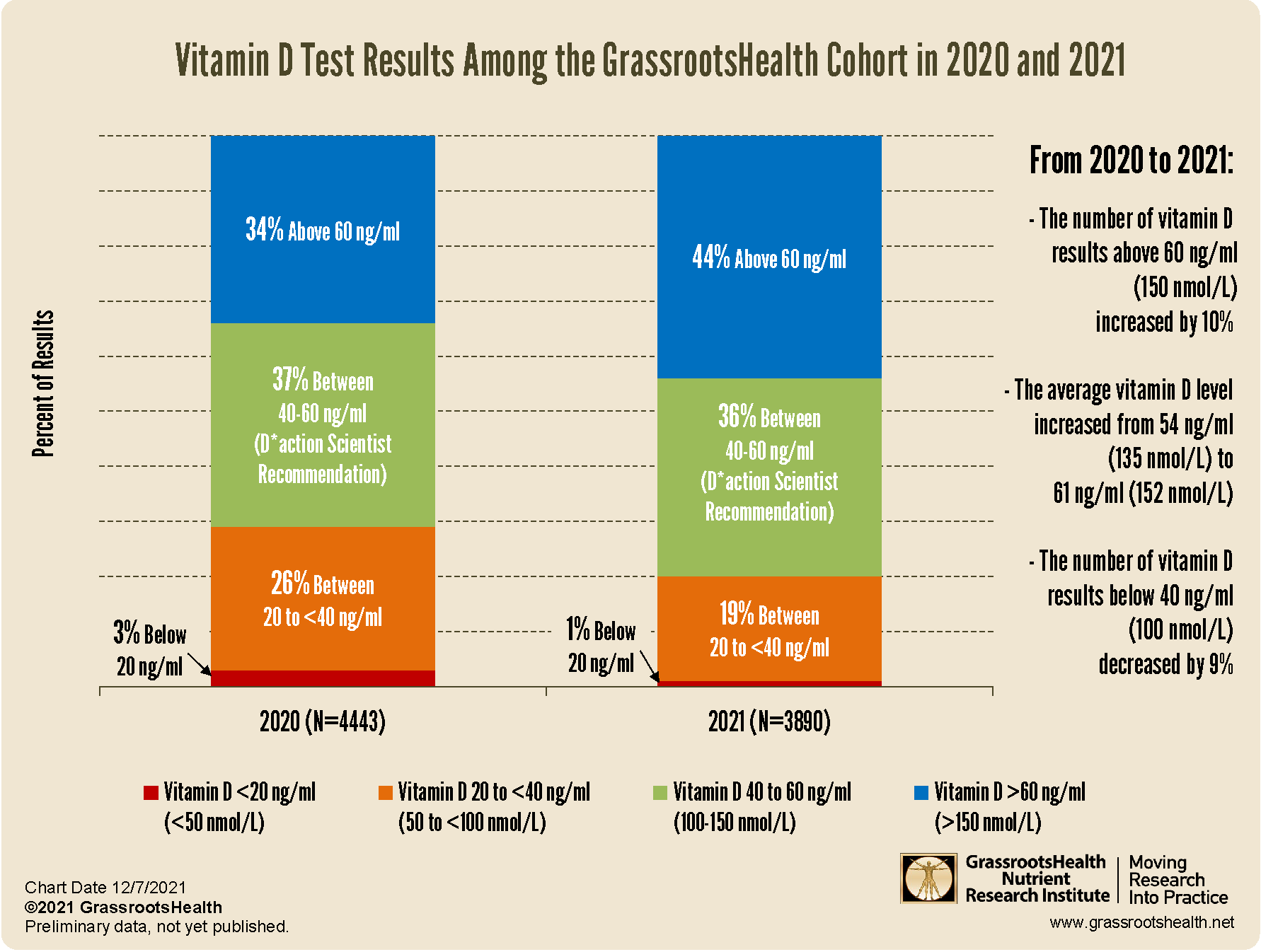
The 40–60 ng/mL Range: A Shift From Minimal to Optimal
Many people approach health metrics with a scarcity mindset: “As long as I’m not deficient, I’m fine.” But muscle performance rarely rewards “fine.” It rewards consistency, readiness, and adaptability.
The 40–60 ng/mL band reframes the question. Instead of asking only, “Am I missing the minimum?”, it asks, “Am I providing the physiological environment my muscles thrive in?” That shift in perspective matters. It nudges you toward a more intentional calibration of biomarkers.
Within this range, you’re aiming for a level that tends to be high enough to support muscle-related pathways without chasing extremes that offer diminishing returns. It’s a target that feels less like a gamble and more like a tuning knob—subtle adjustments with meaningful consequences.
Curiosity is useful here. If Vitamin D influences muscle function, then the lab value becomes a narrative device: it tells part of the story of your capacity to train well.
Calcium, Signaling, and the Physics of Contraction
Muscle movement depends on precise cellular mechanics. Calcium is central to contraction, and Vitamin D plays a role in maintaining calcium homeostasis. Calcium isn’t merely a mineral sitting in the background—it is a timed messenger that helps trigger contraction and coordinate muscular response.
Consider this: muscle activation is like a chain reaction where each link must snap into place at the right moment. Vitamin D supports the system that helps ensure those links don’t slip.
When Vitamin D status is optimized, the body may support more reliable signaling dynamics. That can translate into smoother training sessions, better tolerance for volume, and fewer “mystery” limitations that appear without obvious explanation.
None of this means Vitamin D is the only variable. But it does mean that its influence is plausibly structural—affecting how the machinery runs, not just how it feels afterward.
Strength, Recovery, and the Hidden Cost of Suboptimal Levels
Deficiency isn’t the only problem. “Not deficient” can still be an underfilled reservoir. Underfilled resources lead to a kind of physiological rationing. The body prioritizes essential functions, but high-performance output is an energy-intensive ambition.
At suboptimal Vitamin D levels, some people notice a constellation of training friction: muscles that feel slower to warm up, nagging tightness, prolonged recovery windows, or a persistent sense that effort doesn’t translate proportionally into results.
Now imagine a different scenario—one where your biochemical environment is more supportive. When Vitamin D sits nearer the 40–60 ng/mL range, muscles may be less constrained by upstream signaling bottlenecks. Recovery may become more efficient. Strength gains may feel less like a battle and more like an accumulation of compounding advantages.
Short sentences deserve to land here: Readiness is a measurable quality. Vitamin D is one of the levers that can affect it.
Testing Like a Strategist: What to Measure (and When)
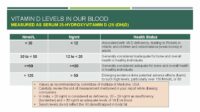
If you want the benefits of Vitamin D optimization, you need clarity—not guesswork. Testing helps transform a vague belief into a concrete plan. The key metric is usually 25-hydroxyvitamin D, often reported in ng/mL. This is the form commonly used to reflect overall Vitamin D status.
Timing matters. Testing before major adjustments can establish a baseline. Then retesting after a reasonable interval can reveal whether your strategy is actually moving the needle toward 40–60 ng/mL.
A helpful mindset: treat each lab test like a compass reading. It doesn’t define the journey. It tells you where you currently stand so you can steer more intelligently.
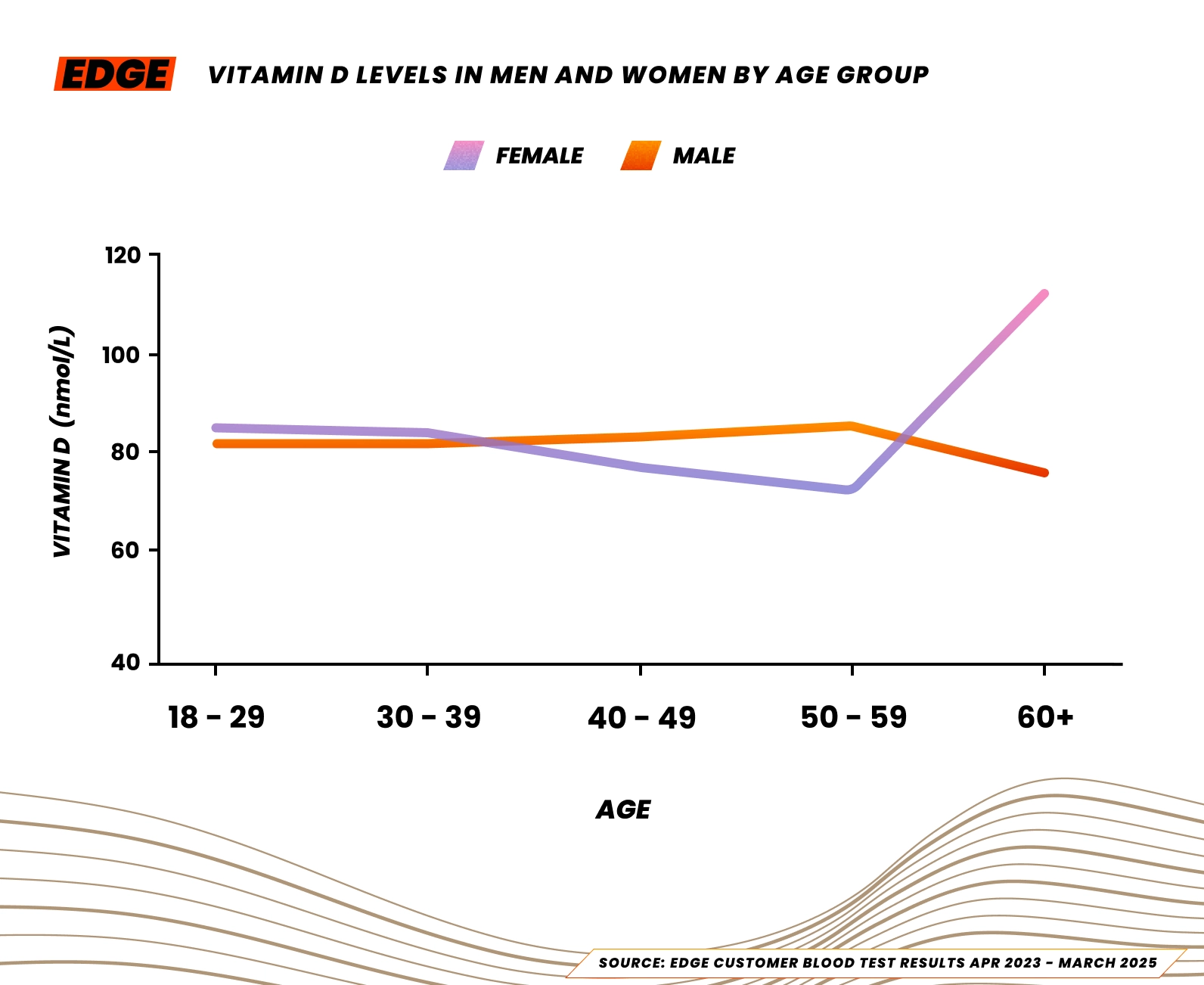
And if you’re an athlete, consider how seasonality plays into this. Less sun exposure can shift Vitamin D status downward over time, nudging levels away from the muscle-friendly zone.
Sunlight, Supplements, and the Art of Practical Optimization
Sunlight is the classic source, but modern life complicates the equation. Latitude, clothing, time indoors, sunscreen habits, and even weather patterns can all reduce effective UV exposure. Supplements can fill the gap—often predictably.
Still, “more” isn’t automatically “better.” Optimization is rarely brute force. It’s calibration. The goal is to move toward the 40–60 ng/mL range and then maintain it with mindful adjustments.
Imagine your Vitamin D status as a thermostat. You want it set correctly for muscle function—not too cold to limit performance, not too hot to create unnecessary risk. The thermostat concept emphasizes restraint and responsiveness.
If you supplement, consistency often matters as much as dosage. Your body responds to patterns, not just one-time events.
Who Benefits Most From Targeting 40–60 ng/mL?
This range can be particularly relevant for people who train consistently and want performance stability. It may also be valuable for those with limited sun exposure, darker skin tones (which can reduce cutaneous Vitamin D synthesis), higher body fat percentages (which can influence Vitamin D distribution), or dietary patterns that provide less Vitamin D.
But the most universally helpful insight is this: muscle function is a systems issue. If Vitamin D is part of your systems ecosystem, moving it toward an optimal range can be like removing a recurring friction point.
It’s not about chasing perfection. It’s about eliminating avoidable constraints.
Safety, Balance, and Avoiding the Extremes
Even when Vitamin D is helpful, it deserves respect. The goal is a functional optimum, not a maximal number. Excess Vitamin D can create problems by disrupting calcium balance. That’s why testing and moderation matter.
A thoughtful plan often includes periodic lab reassessment, appropriate dosing choices, and attention to symptoms. If anything feels off, the data—not the assumption—should guide next steps.
The best performance strategies are rarely reckless. They’re measured. They’re iterative. They’re built on evidence.
A New Question to Carry Into Your Next Lab Result
When you look at your next Vitamin D test, try changing one sentence in your mind. Instead of asking, “Am I okay?”, ask: “Is this level supporting the kind of muscle function I want—contraction efficiency, strength readiness, and recovery momentum?”
The 40–60 ng/mL range invites that curiosity. It invites you to think like a strategist rather than a spectator. And when biomarkers shift toward an optimal zone, the training story often becomes more coherent—less puzzling, more forward-moving.
Performance isn’t only built in the gym. Sometimes it’s built in the blood.