Have you ever wondered why some people “seem” to raise their Vitamin D levels faster than others—while eating similar amounts of sunshine and supplements? Here’s a playful riddle for your next grocery run: what single dietary pattern can turn Vitamin D from a quiet passenger into an eager performer in your body? The potential challenge is deceptively simple—Vitamin D is fat-soluble, so if your meal is mostly “dry,” it may fail to deliver the full convoy of benefits. In other words, the right fats can act like a logistics team, helping Vitamin D hitch a ride through your digestive system and into circulation.
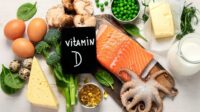
Below are five fatty foods that can support Vitamin D absorption—think of them as culinary co-conspirators. The “300%” idea is a dramatic way to spotlight a real principle: pairing Vitamin D (from food or supplements) with dietary fat can markedly improve absorption compared with low-fat meals. Results vary by person, but the mechanism is remarkably consistent.
1) Salmon (and other oily fish): the omega-3 gateway
Salmon isn’t just dinner—it’s a biochemical concierge. Oily fish provide long-chain fatty acids, including omega-3s, which can help stimulate bile flow and facilitate micelle formation. Micelles are tiny transport complexes that help fat-soluble nutrients cross the intestinal barrier. When Vitamin D is present, that transport becomes far more efficient.
Try imagining your gut like a harbor. Vitamin D needs a tugboat, and fatty acids can provide the tow. Salmon also contributes high-quality protein, so it doesn’t require you to choose between “absorption” and “satiety.”
How to use it: Pair a Vitamin D source (fatty fish itself, or a supplement taken with meals) with a serving of salmon at lunch or dinner. Consistency matters. Short-term tweaks can help, but habits make the difference.

2) Extra-virgin olive oil: the smooth absorption engine
Olive oil is a classic for a reason: it’s flavorful, versatile, and rich in monounsaturated fats. When you drizzle olive oil onto vegetables, grains, or even a simple bowl of soup, you’re building a more absorption-friendly meal matrix.
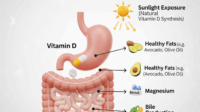
Vitamin D behaves like a diva—it prefers environments that are compatible with fat. Olive oil helps create that compatibility. In the intestine, the presence of dietary lipids supports the process that packages Vitamin D into transport forms. The result can be a “more cooperative” absorption pathway compared with meals that are lean and low in fat.
Playful challenge: Next time you make a salad, don’t treat it like a punishment. Add olive oil and a touch of something creamy (like olives, avocado, or a light cheese). If your salad currently has zero fat, you may be cutting your absorption potential down to a whisper.
How to use it: Aim for 1–2 tablespoons of olive oil with meals that include Vitamin D. Heat-friendly methods (light sautéing) still retain a lot of benefit.
3) Avocado: creamy fat with a stealthy impact
Avocado is often praised for heart health, but it also has an absorption-supporting talent. Its fat content is primarily monounsaturated. That matters because fat-soluble vitamins—including Vitamin D—are more readily absorbed when dietary fat is present during digestion.
Additionally, avocado brings fiber and phytochemicals, which may help overall gut function. A well-functioning digestive environment can influence how efficiently nutrients move through the intestinal landscape. Short sentences, long impact: it’s easy to underestimate how quickly a small addition can change outcomes.
How to use it: Add avocado to eggs, rice bowls, tacos, or even as a topping on salmon. If you take Vitamin D supplements, having avocado in the same meal can improve the “delivery conditions.”
4) Whole eggs: Vitamin D’s friendly breakfast ally
Egg yolks are a practical, no-fuss option. They contain fats that help Vitamin D behave more effectively in the digestive process. If your diet includes egg yolks regularly—or you eat them near meals with supplemental Vitamin D—you’re essentially creating a fat-assisted absorption channel.
Eggs also add choline and high-quality protein. That means your meal isn’t just helping Vitamin D absorption; it’s supporting muscle maintenance and metabolic health. Your breakfast becomes a strategy, not a side quest.
Potential challenge: Many people eat egg whites only, believing they’re “healthier.” But if the goal is maximizing Vitamin D absorption, skipping the yolk removes a crucial fat component. Ask yourself: are you optimizing for calories, or optimizing for nutrient performance?
How to use it: Choose whole eggs. Pair them with olive oil sautéed vegetables or a small amount of cheese to create a richer absorption environment.
5) Full-fat dairy (and yogurt): a creamy delivery system
Full-fat dairy can be surprisingly effective. Milk, yogurt, and cheese provide fat that supports the transport of fat-soluble vitamins. This is especially relevant if dairy is fortified with Vitamin D—or if you’re taking a supplement.
Dairy also offers calcium and protein, which can enhance overall nutritional balance. But the key absorption point is still the same: Vitamin D needs a lipid “passport.” Full-fat dairy supplies it, often in an easy-to-consume form that fits real-life routines.
How to use it: Choose plain whole-milk yogurt or kefir and add fruit or nuts for flavor and additional fats. If you tolerate dairy well, it can become a reliable Vitamin D absorption partner.

How to make these work: timing, consistency, and “fat-smart” portions
Now for the practical part. It’s not only what you eat; it’s when and how you eat it. Vitamin D absorption is typically best when taken with a meal that contains dietary fat. If supplements are part of your routine, take them alongside food—not on an empty stomach.
Also, don’t let fear of calories sabotage your nutrient goals. The body doesn’t require massive fat quantities—rather, it needs sufficient fat to support the transport process. Think “judicious” instead of “maximal.”
Finally, consider the overall context. If iron deficiency, gut issues, or bile-related problems exist, absorption can be affected regardless of food choices. In those cases, professional guidance becomes valuable.
A quick checklist: your next Vitamin D meal makeover
Want a simple plan you can repeat? Choose one fatty ally—salmon, olive oil, avocado, whole eggs, or full-fat dairy—and build a meal around it. Add your Vitamin D source, then keep the meal cohesive. The body reads patterns; it doesn’t just read ingredients.
So, are you ready for the playful challenge? The next time you think “I’ll take Vitamin D with a minimal meal,” pause and ask: will this meal actually deliver the fat that Vitamin D needs to be heard clearly?