When two separate wellness narratives collide—one about Ozempic and the other about vitamin D—it’s natural to wonder whether adjusting your dosage should be part of the plan. Yet the question “Should you increase vitamin D dosage when taking Ozempic?” rarely has a single, universal answer. The real picture involves physiology, routine habits, and sometimes a quiet chain reaction that begins long before labs ever show up.
Why Vitamin D Matters More Than Most People Think
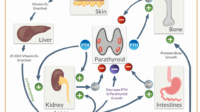
Vitamin D is often treated like a background supplement, the kind you take “just in case.” But it plays a much more orchestrated role—supporting calcium absorption, influencing bone mineralization, and participating in immune modulation. Think of it as a chemical translator that helps your body interpret calcium’s signals correctly.
When vitamin D is insufficient, the downstream consequences can be subtle at first: lingering fatigue, muscle aches, and a general sense of sluggishness. Over time, the stakes rise. Bone health can become vulnerable, and certain metabolic pathways may drift out of optimal alignment.
So the fascination with vitamin D is not merely folklore. It’s rooted in biology that’s easy to underestimate.
What Ozempic Changes in the Body—and What It Doesn’t
Ozempic (semaglutide) primarily reshapes appetite and influences glucose regulation through GLP-1 pathways. Many people notice weight changes, altered eating patterns, and sometimes gastrointestinal effects such as nausea or reduced food intake.
Here’s the common observation: “If I’m eating less or losing weight, my vitamin intake might drop—so shouldn’t I increase vitamin D?” That intuition is understandable. But physiology doesn’t operate on guesses alone.
Ozempic doesn’t directly “consume” vitamin D the way some medications can. Instead, it may indirectly influence overall nutrient intake by changing how much and what you eat. That indirect pathway is where the conversation becomes more nuanced.
The Indirect Pathway: Reduced Intake, Reduced Absorption, and Variable Sun Exposure
One reason people become intrigued is that weight loss and appetite suppression can alter the nutritional landscape quickly. If you eat fewer calories, you may also eat fewer vitamin D sources—fatty fish, fortified dairy, egg yolks, and fortified foods.
Additionally, vitamin D status depends heavily on sunlight exposure. Two individuals can take the “same supplement” yet land at different blood levels, simply because of lifestyle differences. One person walks outside daily; another works indoors behind tinted windows.
There’s also a less discussed possibility: changes in gut comfort can shift meal timing and composition, and some people become more cautious with foods that contain more fat, even though vitamin D is fat-soluble. The body stores vitamin D in fat tissue, which adds another layer of variability during weight changes.
Fat-Soluble Isn’t a Free Pass: The Risk of Overcorrection
Vitamin D is fat-soluble, meaning it can accumulate. That’s the deeper reason fascination turns into caution. A supplement that corrects a deficiency can, if overdone, tip into excess.
Excess vitamin D can increase calcium absorption too much, potentially leading to hypercalcemia. Symptoms—such as constipation, nausea, thirst, frequent urination, or mental sluggishness—can appear quietly before becoming more obvious.
Not everyone reacts the same way. Kidney function, baseline vitamin D levels, concurrent supplements, and dietary calcium intake can all influence outcomes. In other words: increasing dosage blindly is not “more health.” It can be a miscalibration.
What Clinicians Usually Recommend: Testing Before Titrating
A responsible approach often starts with measurement. The most informative lab is typically 25-hydroxyvitamin D, the standard marker of vitamin D status. Depending on the situation, clinicians may also check calcium, kidney function, and sometimes parathyroid hormone when the pattern is unclear.
This is where the question “Should you increase?” becomes “Should you adjust based on data?” If your vitamin D is adequate, increasing the dose may provide diminishing returns. If you’re deficient, raising the dose can be reasonable—often with a plan, not a leap.
Think of it like recalibrating an instrument. You don’t replace the entire machine because one reading seems off. You adjust the setting until performance matches the target.
Dose Adjustments: How People Usually Think About It (and Where They Go Wrong)
Many supplement routines follow a default mindset: “More is safer.” With vitamin D, that logic can backfire. Even when higher doses are used medically, they’re typically time-limited, monitored, or tailored to baseline levels.
Another common misstep is stacking. People taking vitamin D may also take multivitamins, calcium supplements, or “energy” products that quietly include additional vitamin D. The total daily intake becomes the real variable, not the label on one bottle.
Then there’s the “symptom-driven dosing” trap. Muscle aches or fatigue can feel like vitamin D deficiency, but they can also arise from many sources—rapid weight change, sleep disruption, dehydration, or electrolyte shifts associated with appetite changes. Without labs, interpretation can become a hall of mirrors.
Special Considerations: Body Weight, Kidney Health, and Concomitant Meds
Ozempic users vary widely in body composition changes and baseline health. If someone has chronic kidney disease, their vitamin D and calcium balance may be more delicate. Similarly, certain medications can interfere with vitamin D metabolism—some anticonvulsants, glucocorticoids, or cholesterol absorption–affecting agents can complicate the picture.
Even without these conditions, individuals differ in how vitamin D is metabolized. Genetic variation, baseline stores, and adherence to supplementation can influence outcomes.
So the most precise answer becomes: not “Should you increase?” but “Is an increase necessary, and is it safe for you?”
How to Build a Practical Plan While Taking Ozempic
If you’re considering changes, a structured plan can prevent guesswork. Start with current intake: What dose are you taking now? Is it part of a multivitamin? How much calcium are you getting? Next, discuss symptom context and recent dietary changes.
Then consider timing and consistency. Vitamin D benefits from regularity rather than occasional bursts. Many people choose to take it with the meal that contains dietary fat, supporting absorption.
Finally, align with medical follow-up. Rechecking levels after a defined period can confirm whether the adjustment achieved the intended effect. The goal is not to chase a number endlessly, but to maintain a functional range.
What About Diet and Sunlight—The “Lower-Tech” Levers That Actually Work
Supplements can be helpful, but they are not the whole story. Diet and sunlight often provide the background rhythm. Fatty fish, fortified dairy or plant milks, and egg yolks can contribute steadily. For sunlight, intensity and skin coverage matter; a winter routine in northern latitudes can differ dramatically from a summer routine in sunnier climates.
Importantly, Ozempic may make you eat smaller portions. That doesn’t mean you should chase vitamin D with random mega-doses. It means you may need to be more strategic about nutrient density.
Conclusion: Fascination Is Normal—Precision Is Better
It’s tempting to increase vitamin D dosage when taking Ozempic, especially when appetite changes prompt concerns about nutrient sufficiency. That curiosity is understandable. But the deeper reality is that vitamin D status hinges on baseline labs, sunlight exposure, total dietary intake, supplement stacking, and individual risk factors.
The safest path is often test-informed adjustment rather than instinctive escalation. Vitamin D can support bone and metabolic health, but it works best when guided by measured need. In the end, the question isn’t whether vitamin D is important—it’s whether increasing it is appropriate for your specific numbers.