When the seasons turn and your immune system is asked to perform a constant balancing act, two nutrients often rise to the surface of evidence-based wellness: vitamin D and zinc. They work like complementary instruments in an orchestra—vitamin D helps tune the immune response, while zinc provides critical building blocks for immune function. Together, they can form an “ultimate” immune-boosting stack for many adults, particularly those who may have limited sun exposure, higher age-related vulnerability, or inconsistent dietary intake.
Why Vitamin D and Zinc Belong Together
Vitamin D is more than a sunshine souvenir. In the body, it behaves like a hormone-like regulator that influences both innate immunity (your first line of defense) and adaptive immunity (your targeted response). When vitamin D signaling is adequate, immune cells can coordinate more effectively—responses may be better calibrated, not overly sluggish and not unnecessarily inflammatory.
Zinc, meanwhile, is deeply involved in immune cell development and signaling. It plays roles in enzyme activity, gene transcription, and the maintenance of epithelial barriers—those “front doors” that help prevent pathogens from gaining entry. Think of zinc as both a structural material and an instruction courier.
The synergy is the point: vitamin D shapes the immune landscape, and zinc supports immune execution. When one nutrient is low, the other may not fully compensate. When both are adequate, immune function tends to operate with better resilience.
Understanding Vitamin D: Forms, Sources, and Common Deficits
Vitamin D is obtained through sunlight exposure, dietary intake, and supplements. In food, it’s often limited—fatty fish, fortified dairy alternatives, and fortified foods can help, but many people still fall short. Geographic location, skin pigmentation, sunscreen use, winter months, and indoor lifestyles can all influence vitamin D status.
There are different supplement forms, most commonly vitamin D3 (cholecalciferol) and vitamin D2 (ergocalciferol). D3 is frequently favored because it may raise and maintain blood levels more reliably for many individuals. Still, individual response varies.
Deficiency can be subtle. Some people experience fatigue, low mood, musculoskeletal discomfort, or frequent illness, but laboratory testing is the clearest compass. A common strategy is to check 25(OH)D levels and align supplementation accordingly.
Understanding Zinc: Essential Roles and Dietary Reality
Zinc is a trace mineral with outsized influence. It supports immune cell differentiation, antioxidant defenses, and the integrity of mucosal surfaces. The immune system relies on these barriers—nasal and respiratory tissues, as well as the gastrointestinal tract—to stop invaders before they gain momentum.
Zinc comes from both animal and plant foods. Oysters are famously rich, and meats contribute well. Plant sources—legumes, nuts, seeds, and whole grains—can provide zinc too, but absorption may be reduced by phytates. This is why some vegetarians and vegans consider supplementation more carefully, not as a trend but as a practical nutrient alignment.
Low zinc status can manifest as immune vulnerability, delayed wound healing, and changes in taste. Again, testing can be helpful, especially if symptoms cluster or dietary patterns are restrictive.
The Immune Mechanisms Behind the “Stack”
Vitamin D influences gene expression related to antimicrobial peptides and immune regulation. It can affect how macrophages and other immune cells respond to threats. In plain terms: vitamin D can help the immune system “aim,” ensuring defenses are active when needed and not chaotic when they shouldn’t be.
Zinc contributes to immune signaling pathways and supports the functioning of both T-cells and natural killer cells. It also helps maintain oxidative balance, which matters because immune activation produces reactive molecules that must be handled safely.
Together, these nutrients support a multi-layer defense—barriers, signaling, and cellular readiness. It’s not just “boosting.” It’s more like improving operational tempo with better quality control.
Different Supplement Formats: Gummies, Capsules, Powders, and Softgels
Not every immune stack feels the same in real life. Delivery format matters because adherence is often the deciding factor. Common options include gummies, capsules/tablets, and liquid or powder forms.
Gummies are convenient and can reduce friction for people who dislike pills. They often taste like dessert, but ingredients vary. Check for dosing transparency—especially the amount of zinc per serving, not just per label claim. Also consider added sugars or sweeteners if you’re mindful of overall intake.
p>Capsules or tablets typically provide precise dosing. Many contain vitamin D3 and zinc in a straightforward ratio. This format can suit readers who prefer minimal processing and clear nutrition math.
Liquid or powder supplements can offer flexibility for those who struggle with swallowing. They can also be helpful when you want to fine-tune dose with a measuring spoon, though consistency across brands should still be reviewed.
How to Choose a Product: Dose, Label Clarity, and Ingredient Intelligence
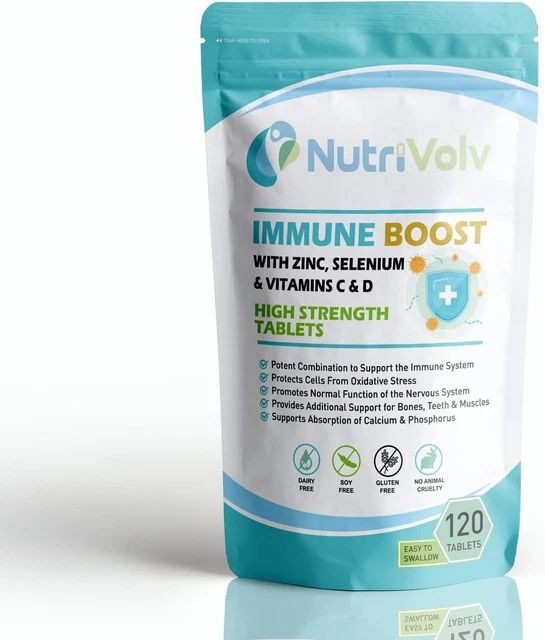
When building a vitamin D and zinc stack, the product should behave like a well-designed tool. Start by reading the “Supplement Facts” closely. Look for the exact amount of vitamin D per serving (often measured in IU or micrograms) and the exact amount of zinc (typically in mg). Avoid vague blends where key nutrient values are obscured.
Consider the zinc compound form as well. Zinc picolinate, zinc gluconate, zinc citrate, and zinc acetate are common. Some people tolerate certain forms better, and absorption characteristics can differ. While no single form is universally superior, comfort and consistency are meaningful.
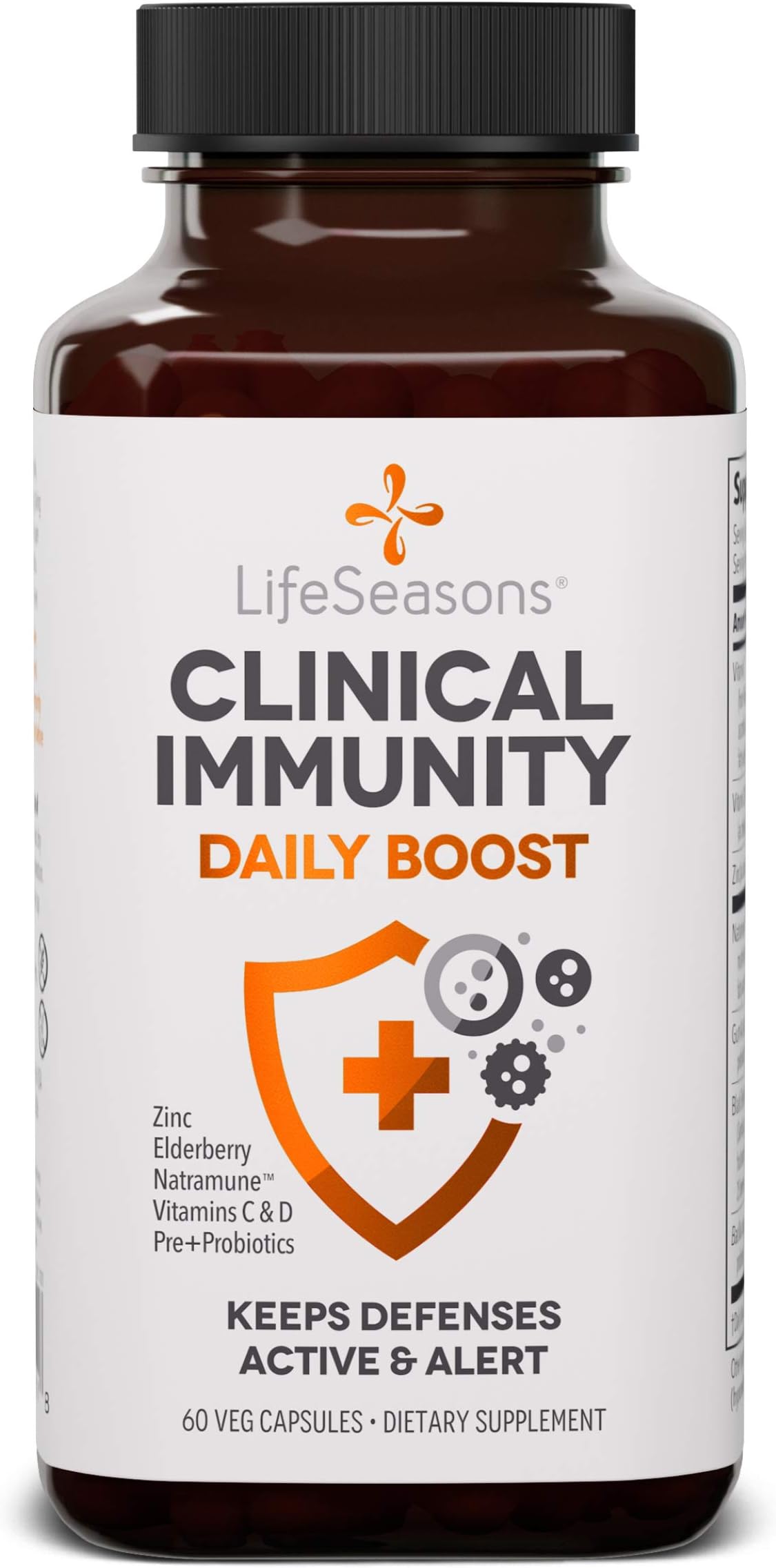
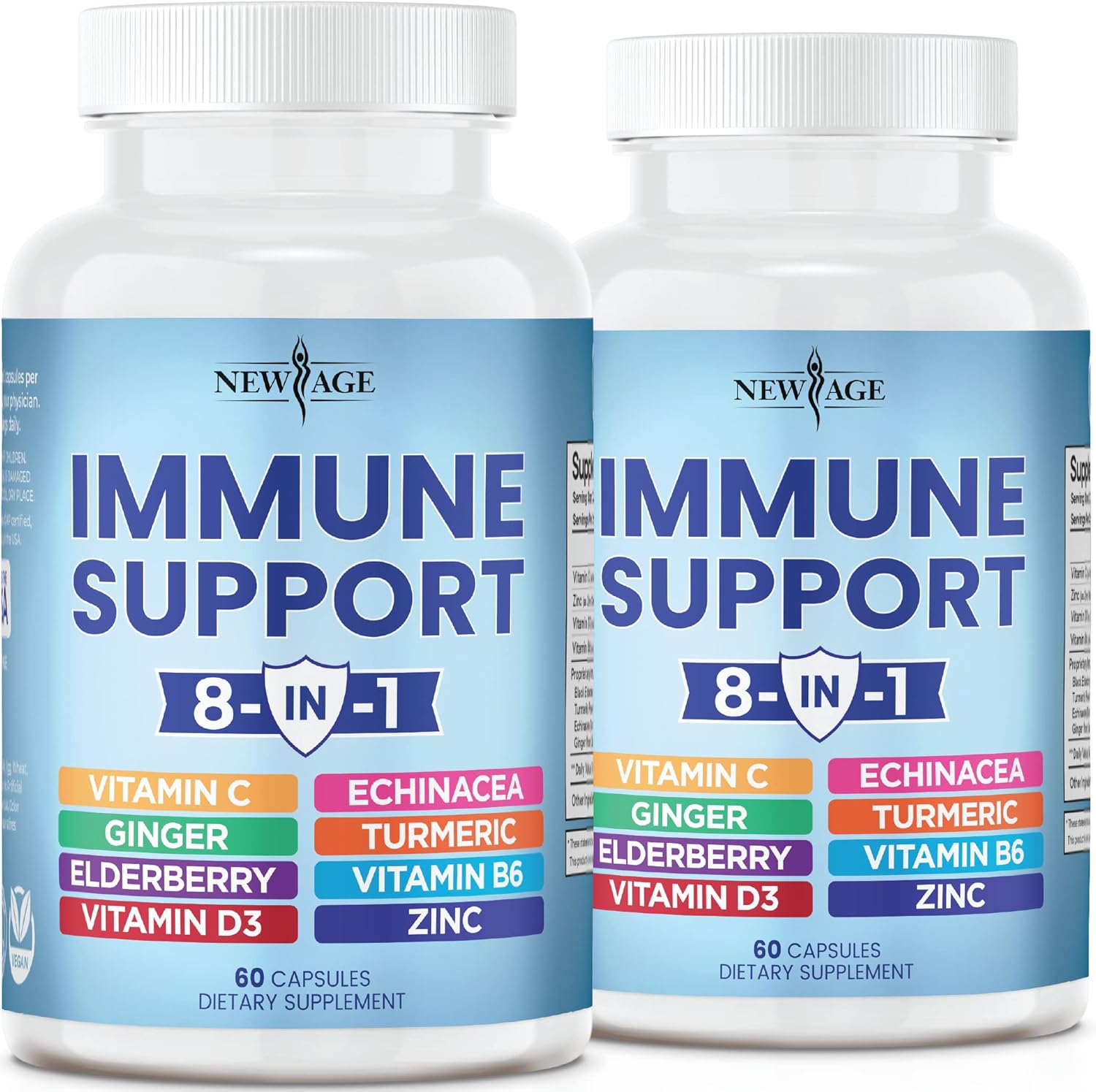
If the label includes additional ingredients—elderberry, vitamin C, selenium, or herbal extracts—think about your goals. Are you seeking a focused vitamin D and zinc regimen, or a broader “immune complex”? Multi-ingredient formulas may be convenient, but they can complicate dosing if you later want to adjust vitamin D or zinc specifically.
Timing and How Much: Practical Dosing Approaches
Vitamin D is fat-soluble, so taking it with a meal containing some dietary fat can improve absorption. Many people prefer morning or midday dosing to sync with routine, while others take it with dinner. Zinc is also often taken with food if it causes stomach irritation; taking it on an empty stomach may work for some but can be uncomfortable for others.
As for “how much,” needs vary by baseline blood levels, diet, age, and sunlight exposure. A thoughtful approach is to avoid guessing. Testing and professional guidance can help set a sensible target. For many adults, common supplement patterns range from modest daily dosing to weekly strategies, but the best plan is individual.
One caution is important: zinc has an upper limit. Too much zinc over time can interfere with copper absorption, potentially creating its own imbalances. The immune system benefits from balance, not megadoses that outpace the body’s ability to regulate.
Stacking Wisdom: Pairing with Other Nutrients Without Overcomplicating
Some readers enhance their immune stack further with vitamin C, selenium, or elderberry. These can complement the theme, but they can also blur the dosing picture. The question to ask is whether additional ingredients serve a clear purpose for your routine.
For example, vitamin C supports antioxidant activity and skin and mucosal health. Selenium contributes to antioxidant enzymes and thyroid-related pathways. Yet adding more isn’t always better; it’s possible to end up with a complicated supplement schedule that’s hard to maintain and harder to troubleshoot.
A cohesive stack often starts with core nutrients—vitamin D and zinc—then expands only when there’s a reason: dietary gaps, specific symptoms, or lab-confirmed needs.

Safety Considerations and When to Be Cautious
Immune support is not a license to ignore safety. Vitamin D and zinc are beneficial when used appropriately, but several factors can change the risk profile.
People with kidney disease, certain endocrine disorders, or those taking medications that affect mineral balance should consult a clinician before supplementing. Vitamin D can raise calcium levels in some circumstances, so monitoring may be necessary for certain users.
Zinc can interact with some antibiotics (like tetracyclines or quinolones), so timing separation may be essential. It can also cause nausea at higher doses, especially on an empty stomach. If stomach discomfort appears, reduce dose, switch to a different form, or take with food.
Pregnancy, breastfeeding, and pediatric use also deserve special attention. Adults are not the same category as children, and “more” is not automatically better.
What Content Readers Can Expect: Labels, Routine, and Real-World Integration
This topic naturally unfolds into several kinds of content readers often seek. First is educational content: clear explanations of what vitamin D and zinc do, why they’re linked to immunity, and how deficiency patterns happen. Next comes practical content: how to choose forms, how to read labels, and how to fit dosing into daily life.
Finally, readers gravitate toward implementation content: sample routines, troubleshooting tips for stomach sensitivity, and guidance on tracking progress. Some prefer checklists—“What to verify on the label”—while others want narrative reassurance—how to build a calm, consistent health rhythm during high-exposure months.
Across all these formats, the consistent theme is alignment. The most effective immune-boosting stack is the one you can sustain, that respects safety limits, and that supports your physiology rather than wrestling it.
Building Your “Ultimate” Stack: A Closing Perspective
Vitamin D and zinc together offer a credible, synergistic approach to immune support—one that addresses both immune regulation and immune execution. When you choose quality, verify dosing, and take into account absorption and safety, the stack becomes less of a gamble and more of a deliberate strategy.
Start with fundamentals: check whether you may be low, choose a form you’ll actually take consistently, and avoid excessive zinc. Then let your routine do the heavy lifting. Immunity doesn’t need drama; it needs steadiness.