There’s a particular kind of sunlight that feels almost ceremonial—warm on your skin, bright across your day, and quietly suggestive of well-being. Yet when it comes to vitamin D, the question isn’t merely whether you can make it from the sun. The more intriguing dilemma is how long that vitamin D lasts compared with what you obtain through supplements. Because vitamin D isn’t just a momentary spark. It behaves more like a slow-cooking pantry staple than a quick snack.
The sun makes vitamin D—but the timing is subtler than it looks
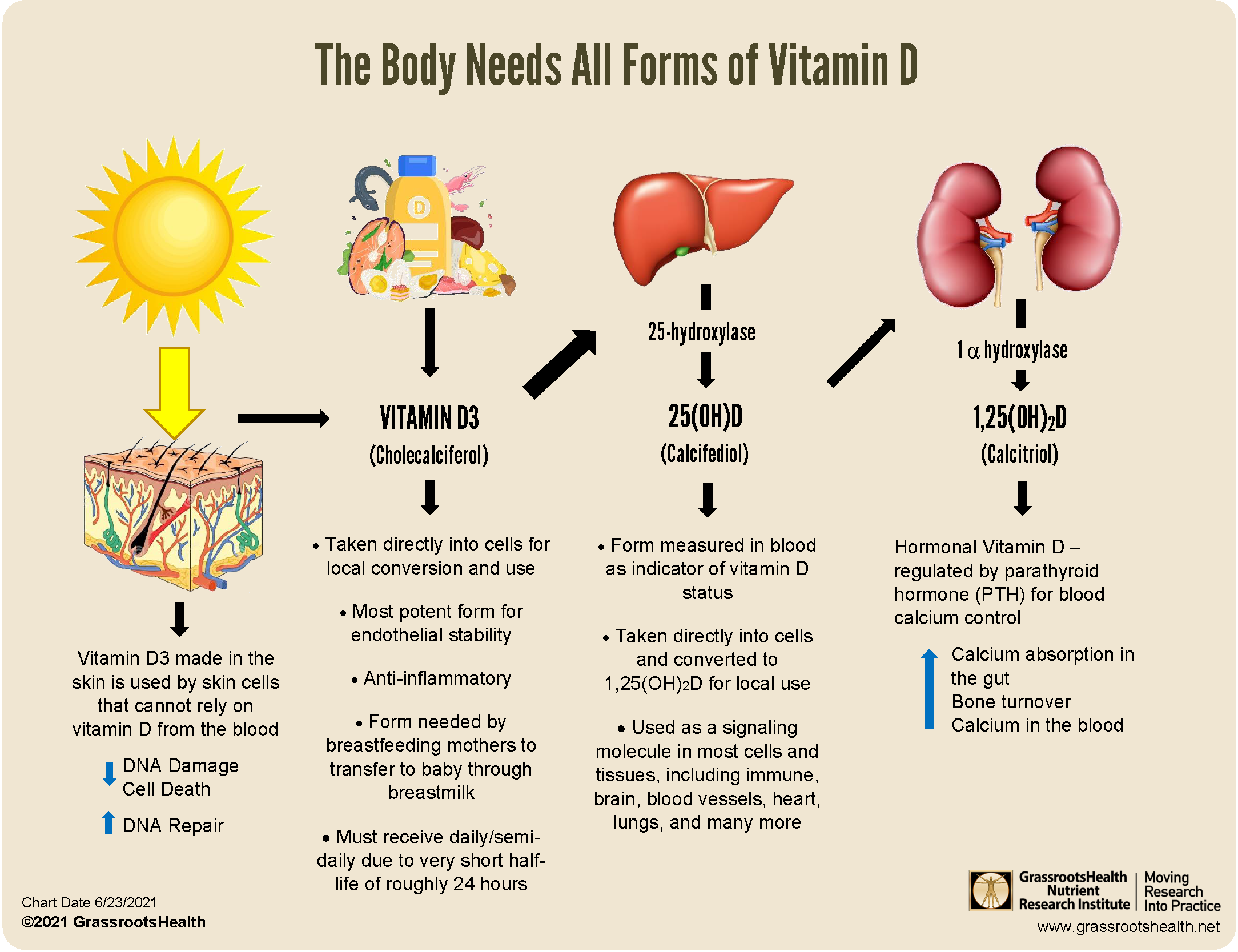
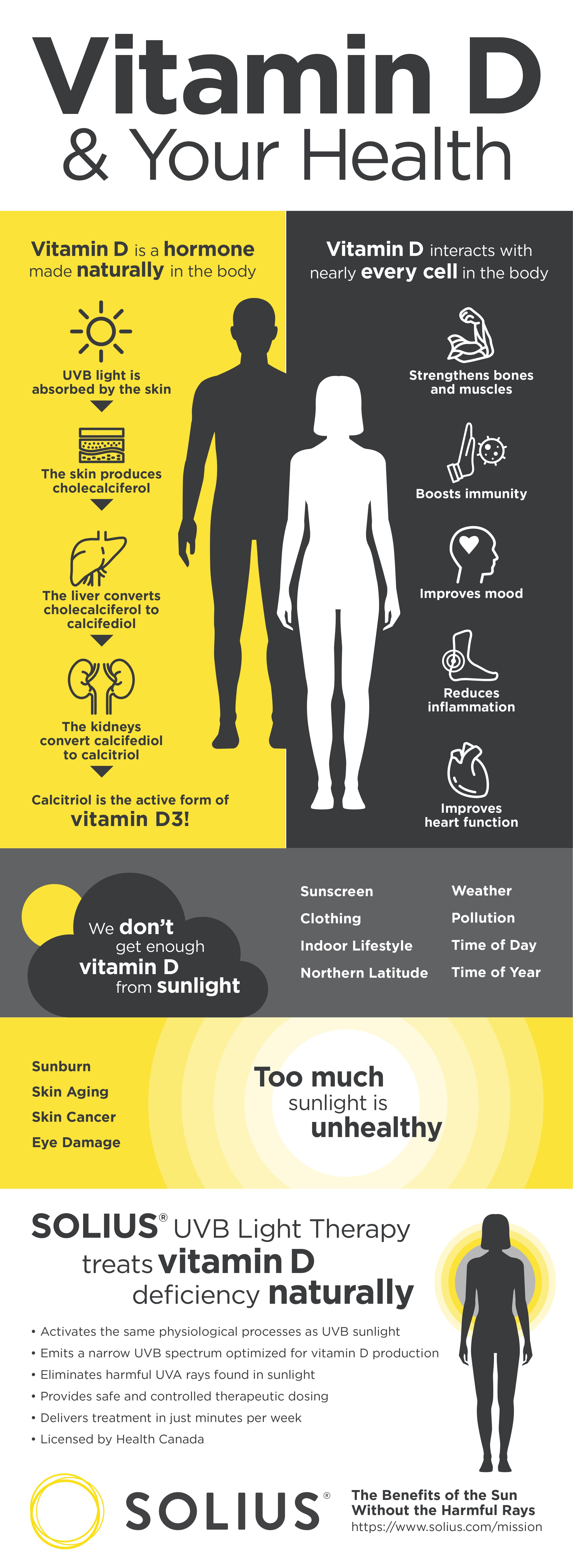
When UVB rays strike your skin, they trigger a biochemical cascade that converts a cholesterol-like precursor into vitamin D3. That part is straightforward. What’s less obvious is the timeline: your body doesn’t instantly “store vitamin D” the way it might stash extra cash after payday. Instead, it produces vitamin D metabolites, then transports them to be processed further in the liver and kidneys. This conversion choreography means the vitamin D story begins with sunlight, but it doesn’t end there.
After exposure, circulating vitamin D levels can remain elevated for a time, but the decline isn’t linear and it depends on several variables. Skin pigmentation, latitude, seasonality, cloud cover, window glass exposure, time of day, and even clothing coverage can change how much vitamin D you produce. Some people gain a noticeable boost. Others barely register the effect. The result is that “sun-derived vitamin D” often comes in pulses rather than a steady stream.
Still, those pulses can be meaningful—especially if your sun exposure is consistent enough to maintain a baseline. The real question becomes: does that baseline persist longer than supplemental vitamin D?
Supplements are steady—yet their “staying power” depends on how you dose
Vitamin D supplements typically deliver vitamin D3 in a predictable quantity. That predictability is a major advantage for people who have limited sunlight, live in higher latitudes, or experience seasons where UVB is weak. When you take vitamin D regularly, your blood levels tend to rise in a more controlled manner—less like weather, more like a metronome.
But supplements aren’t a magical vault. Vitamin D is fat-soluble, which means it can be stored in adipose tissue and gradually released. This storage characteristic contributes to the longevity of vitamin D effects. Yet the rate of utilization and release varies from person to person.
Dosage matters. Higher doses can raise levels more quickly but may not be necessary for everyone. The body’s regulation mechanisms also influence how much vitamin D stays in circulation versus how much is sequestered in tissue. Think of supplementation as adjusting the flow of a river, not opening a single floodgate.
So the “lasting longer” question can’t be answered with a single yes or no. It hinges on whether sun exposure creates a consistent enough inflow to match what supplementation provides.
Does sun vitamin D last longer than supplement vitamin D? The answer is about kinetics, not mythology
At a physiological level, once your body has vitamin D—regardless of whether it originated from sunlight or a capsule—the downstream processing is remarkably similar. Both routes produce vitamin D3 that is then converted into metabolites, including 25-hydroxyvitamin D, which clinicians often use as a status marker.
In other words, vitamin D doesn’t wear a “made in the sun” label. After absorption and conversion, the chemistry is the same. What differs is the pattern of input. Sun exposure often resembles intermittent harvesting. Supplements usually resemble scheduled replenishment.
That pattern can make it seem like one method lasts longer. If sunlight is erratic—strong in summer, absent in winter—your levels may rise, then gradually dip. If supplements are consistent, the decline is slower and smoother. Longevity becomes less about origin and more about maintenance.
The bloodstream isn’t the only storage location: fat, muscle, and release rates
Because vitamin D is fat-soluble, the body can store it in adipose tissue. That storage can extend its functional presence in the body. However, this doesn’t mean “more storage always equals more availability.” People with higher body fat may have different storage dynamics and potentially different circulating levels for the same dose.
Additionally, the body’s release of stored vitamin D isn’t necessarily a steady drizzle. It may depend on metabolic state, seasonal changes, weight fluctuations, and overall health. This is why two individuals can receive the same amount of vitamin D from the same source and have different lab outcomes.
So if your goal is long-lasting vitamin D status, you’re really aiming for a reliable equilibrium between input, storage, conversion, and utilization.
Seasonality: the hidden plot twist that changes everything
Sunlight isn’t uniform across the year. UVB intensity shifts with seasons, weather patterns, and day length. In many regions, winter sunlight may be too weak to generate meaningful vitamin D. Even when the air feels bright, the UVB component can be insufficient.
This seasonal wobble can make sun-derived vitamin D appear to “expire” faster—not because the vitamin D disappears quickly, but because the production stops. Your body continues to draw upon existing stores and circulating metabolites, and eventually levels decline.
Supplements can act like an insurance policy during low-UV periods. They don’t replace sunlight’s broader benefits (such as mood and circadian rhythm support), but they can preserve vitamin D status when solar chemistry goes quiet.
How “effective sun exposure” really works: dose, skin, and opportunity
Many people assume that if they feel warm or get a tan, they’ve made vitamin D. But vitamin D production is driven specifically by UVB exposure—not just heat or light intensity. Skin type affects how much UVB penetrates and how efficiently vitamin D is synthesized.
Clothing, sunscreen, time of day, and even latitude can significantly alter outcomes. Sunscreen blocks UVB and can reduce vitamin D production, though it doesn’t prevent all UVB exposure when used moderately and appropriately. Striking a balance between skin protection and vitamin D support is a nuanced topic, and it should always align with skin cancer risk awareness.
Curiosity is warranted here: the “best” sun strategy varies. It’s not a universal recipe; it’s a personalized calibration.
Lab results tell a clearer story than feelings
If you want certainty, consider measuring 25-hydroxyvitamin D levels. Symptoms are notoriously non-specific. Fatigue, aches, and low mood can arise from countless causes. Vitamin D status is better judged by biomarkers.
When you compare sun exposure and supplement use, labs can reveal which method maintains your preferred range. Sometimes the biggest surprise is that a small, consistent supplement can outperform sporadic sun exposure in terms of stability. Other times, consistent sunlight combined with diet may be sufficient.
Curiosity doesn’t end with the question “which is better?” It expands into “what keeps my levels steady?” Steady levels tend to correlate better with long-term support than dramatic spikes.
Diet matters too, but sun and supplements do most of the heavy lifting
Food contributes vitamin D, but typically less than either sunlight or supplements—unless your diet is especially rich in fatty fish, fortified products, or liver-based sources. Nutritional vitamin D can complement a strategy, yet it often functions as a secondary support rather than the primary engine.
When you combine sensible dietary intake with either safe sun exposure or supplementation, you create a more resilient “nutrient architecture.” This layered approach can reduce the odds of seasonal dips and help you adapt to real-life constraints.
So what’s the practical takeaway? Think maintenance, not myth
Vitamin D lasts because it is stored and gradually released, regardless of its origin. Therefore, the duration “advantage” of sunlight over supplements usually comes down to whether the sun exposure is consistent enough to maintain levels over time. Supplements often win on predictability; sunlight can win on rhythm and lifestyle harmony—when UVB exposure is sufficient.
If you want a shift in perspective, try this: don’t ask which source lasts longer. Ask which approach helps you stay steady across seasons, geography, and daily life. That’s where the long-term advantage lives.
And when doubt lingers, the most empowering step is measurement—paired with a strategy you can realistically sustain. Because the best vitamin D plan is the one that fits your world, not just your calendar.