Have you ever finished a brutal interval session, crawled into bed, and then—somehow—your mind stayed wide awake? It’s a maddening paradox: training fatigue should invite slumber, yet sleep can become fragmented, light, and oddly elastic. Here’s a playful challenge to chew on—what if a simple nutrient, often treated like background noise, is quietly shaping the architecture of your recovery? For many athletes, vitamin D may be one of those “small levers” with surprisingly outsized effects on sleep quality.
Why Recovery Sleep Feels Different for Athletes
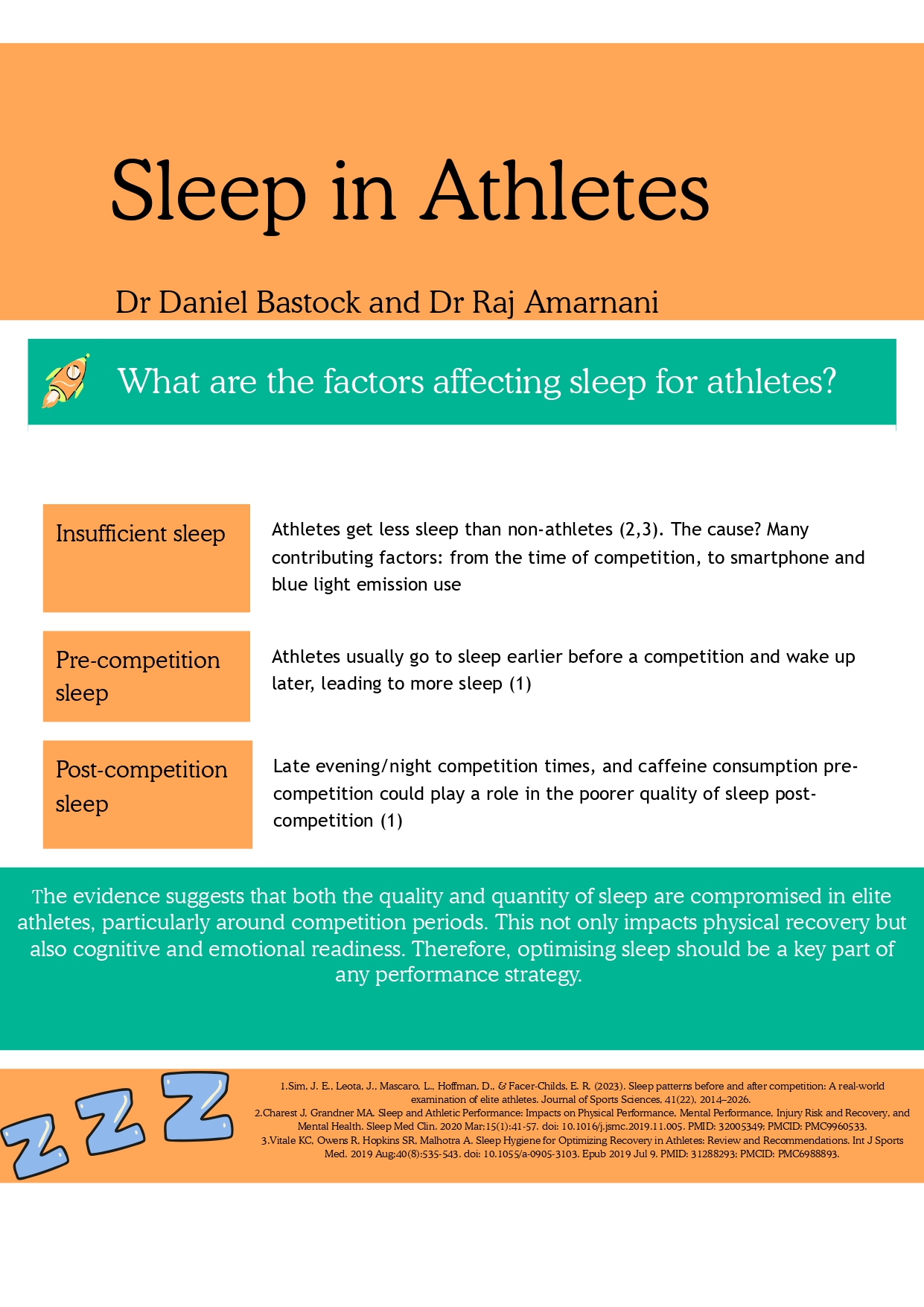
Recovery isn’t just about muscles repairing. It’s also about nervous system recalibration—your ability to shift gears from exertion to restoration. Sleep quality determines how efficiently your body resets hormonal rhythms, repairs micro-damage, and clears the cognitive grit left behind by high-intensity training. Short sleep can amplify perceived exertion during your next workout. Fragmented sleep can blunt reaction time and impair motor learning, even when you swear you “trained hard enough.”
Then there’s the athlete-specific twist: training increases physiological demand, and that demand can make sleep either deeper and more restorative—or more difficult to initiate. Light exposure, meal timing, hydration habits, and pre-bed routines all matter. But vitamin D enters the conversation because it influences pathways that intersect with inflammation, neuromuscular function, and the brain regions involved in circadian regulation.
Vitamin D: Not Just Bone Chemistry
Vitamin D is frequently described as a bone-supporting vitamin, and yes, that’s part of the story. But it’s also a hormone-like signaling molecule with wide-ranging impact. Once activated in the body, it can modulate immune responses, influence muscle function, and affect neural signaling. Those effects can indirectly steer sleep quality—especially during heavy training blocks when the immune system and recovery pathways are already working overtime.
When vitamin D status is low, many athletes report a subtle constellation of issues: increased aches, slower recovery, susceptibility to illness, and a feeling of being “not quite right.” Sleep can become part of that pattern too. The body may feel tired, but the mind and physiology don’t necessarily transition smoothly into restorative rhythms.
The Sleep–Pain–Mood Triangle (and Why It Matters for Training)
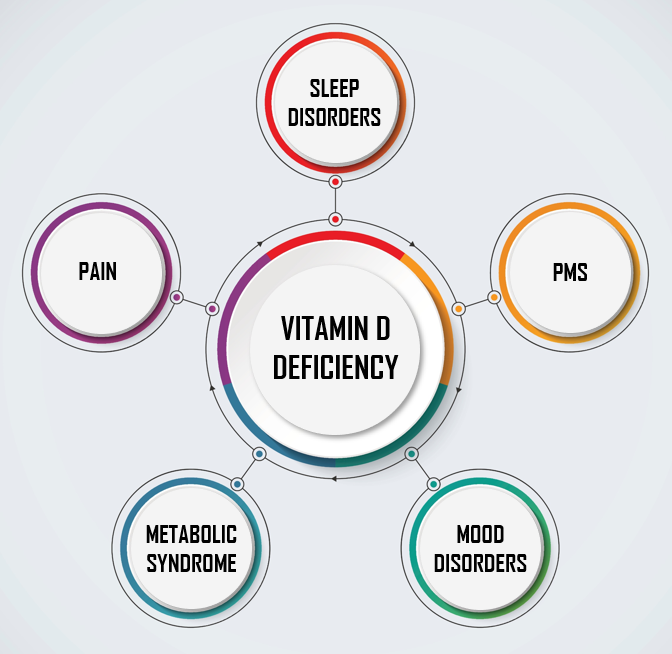
Imagine sleep, pain, and mood as interlocked gears. When one gear slips, the others start to grind. Low vitamin D status has been associated in multiple studies with altered sleep quality and increased reports of discomfort. Athletes who train through persistent soreness may experience a feedback loop: discomfort disrupts sleep, poor sleep heightens pain sensitivity, and then the next training session feels harder than it should.
There’s also the mood angle. High-volume training can amplify stress chemistry, and sleep disruption can worsen perceived stress. The brain becomes more reactive, less elastic. That means reduced patience with discomfort and a greater likelihood of nighttime rumination—the mental “whirring” that steals minutes and steals them again.
None of this suggests that vitamin D is the only cause. But it can be a missing puzzle piece, especially for athletes who train indoors, compete seasonally, or have limited sun exposure.
Melatonin, Circadian Signaling, and the Body Clock’s Fine Print
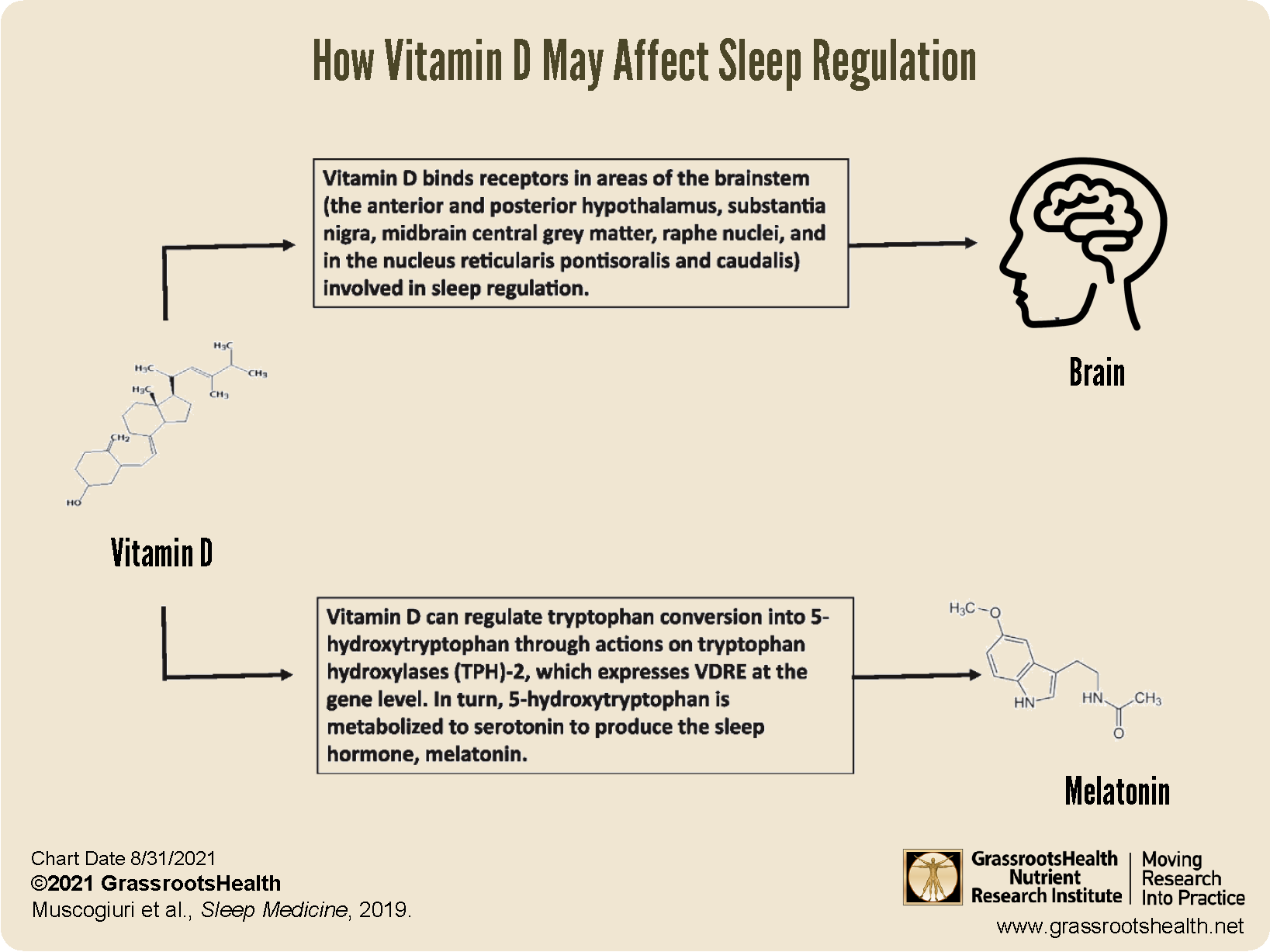
Your sleep schedule isn’t simply a matter of “being sleepy.” It’s a highly orchestrated system driven by circadian timing. Melatonin is often framed as the sleep hormone, but the real action is in the timing system that tells your body when to quiet down. Vitamin D may influence aspects of this timing network, potentially affecting how smoothly the transition from wakefulness to sleep unfolds.
For athletes, the circadian system is constantly challenged by early weigh-ins, travel, evening practice, and inconsistent wake times. If vitamin D status is suboptimal, that challenge may feel sharper—like trying to tune an instrument that’s always slightly out of key.
Muscle Recovery Meets Sleep Quality
Sleep is when growth and repair processes intensify. Muscles don’t recover only during the day. They recover in the dark, when inflammatory signaling shifts and rebuilding pathways become more active. Vitamin D plays a role in muscle physiology, including strength-related pathways and neuromuscular function. When status is poor, athletes may notice reduced performance consistency—then, in turn, more training stress to achieve the same output.
And here’s the consequence chain: higher training stress can increase discomfort; discomfort can disrupt sleep; disrupted sleep slows recovery; recovery delays feed back into performance limitations. It’s a self-perpetuating loop that can be difficult to break with willpower alone.
Spotting Low Vitamin D Status: What Athletes Might Notice
Not everyone experiences dramatic symptoms, but athletes sometimes report patterns like these:
1) Frequent niggles or prolonged soreness, especially after hard sessions.
2) Slower recovery between workouts, despite appropriate training load management.
3) Sleep that’s “technically there” but not refreshing—you spend enough time in bed, yet you feel foggy.
4) Greater tendency toward illness during demanding phases.
These signals aren’t exclusive to vitamin D deficiency. However, if several appear together—especially during winter months or indoor training seasons—it may be worth exploring.
How to Test and Approach Supplementation (Without Guesswork)
The most athlete-friendly strategy is measurement. Blood testing can clarify your vitamin D status and help guide dosing decisions. Rather than adopting a one-size-fits-all approach, consider testing at an appropriate time, then adjusting based on results, dietary intake, and sun exposure patterns.
Supplementation should also be contextual. Training cycles vary, and so do needs during periods of heavy loading or reduced daylight. Consistency matters more than heroic short bursts. If you choose to supplement, treat it like a training component: planned, monitored, and adjusted.
Also remember that vitamin D doesn’t work in isolation. Magnesium, calcium, and overall energy availability influence how effectively your body utilizes nutrients. Athletes with low energy intake may have multiple recovery constraints stacked together.
Practical Sleep Recovery Strategies to Pair With Vitamin D
Even with optimal vitamin D status, sleep quality improves with targeted behavioral cues. Try a recovery sleep “stack”:
Dim the lights in the last hour before bed. Bright screens can delay melatonin timing.
Keep a stable wake time, even after late nights. Consistency helps lock circadian rhythm.
Use a wind-down ritual—stretching, breathing exercises, or a warm shower. Short and repeatable beats elaborate.
Time caffeine. If your training includes mid-afternoon sessions, adjust caffeine cutoff earlier than you think you need.
Manage pre-bed fueling. Eat enough to support training adaptation, but avoid late meals that cause discomfort or reflux.
Vitamin D may help create physiological terrain where these habits work better. But habits still do the hands-on shaping of your nightly recovery.
When Athletes Should Be Especially Cautious
Some athletes face unique risks: darker skin tone, high latitude training, limited sun exposure, darker indoor environments, or medical conditions affecting absorption. Those factors can increase the probability of suboptimal vitamin D status. Additionally, supplement use should be coordinated responsibly—especially if you have kidney issues or conditions that affect calcium balance.
The most effective pathway is simple: test, interpret results with clinical guidance, and integrate findings into your training and recovery plan. No dramatic claims. Just smart calibration.
A Vision of Nightly Recovery: Putting It All Together
Think of your recovery system as a relay race. Training provides the baton, sleep carries the baton forward, and vitamin D may help smooth the handoff between systems. When vitamin D status supports immune regulation and muscle function, sleep can become deeper, more consistent, and more restorative. That doesn’t mean every athlete will notice dramatic changes overnight. It often means better odds—fewer nights of mental static, fewer mornings that feel like you lost a round in the dark.
So here’s the playful ending question: if you could improve one hidden variable that nudges recovery sleep—would you test it, then build a plan around the result? In sport, the smallest margins matter. Sleep quality is one of the margins you can actually train.