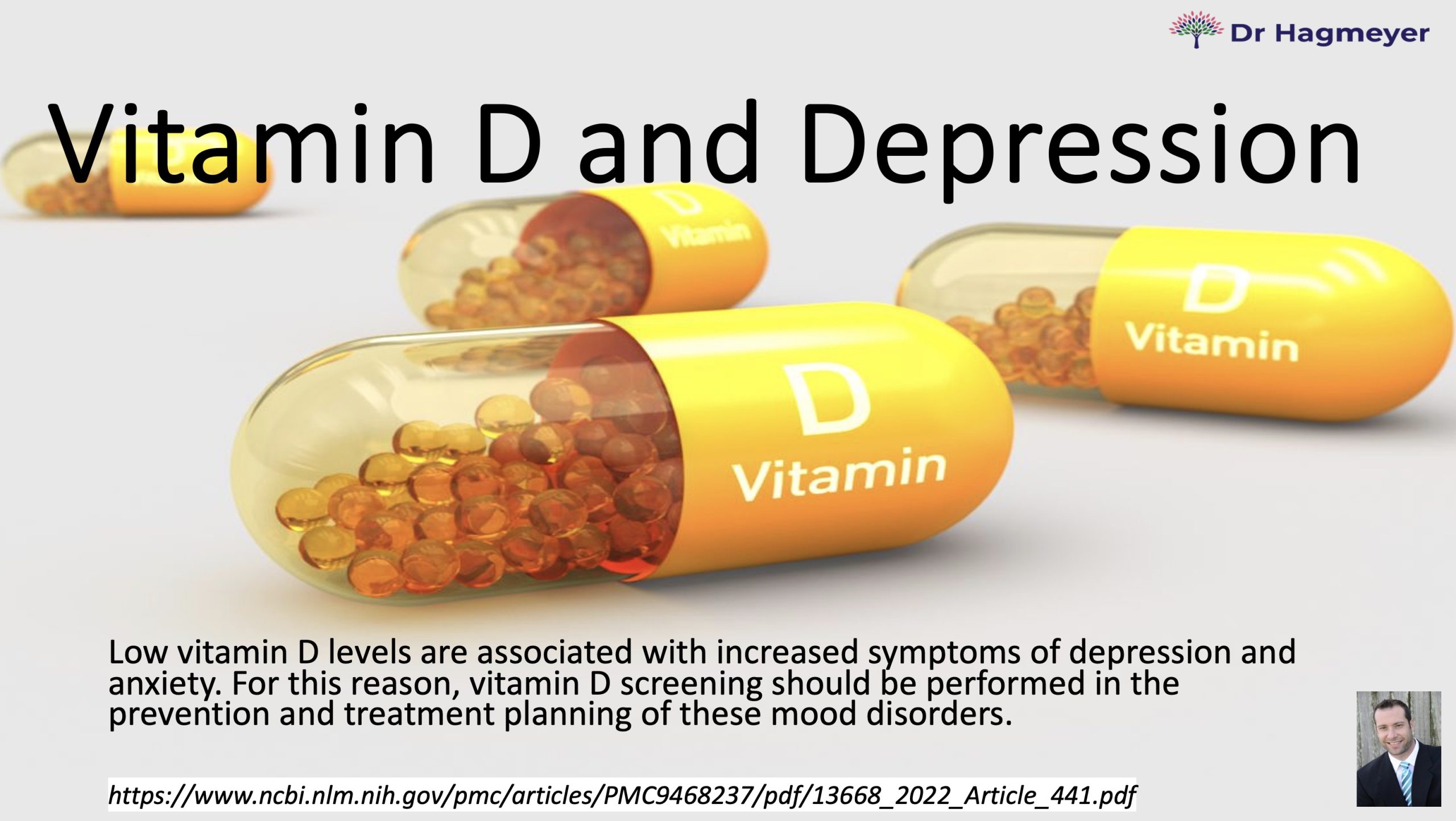
Have you ever noticed how a child’s mood can swing like a pendulum—sunny one moment, withdrawn the next? Now imagine that the culprit isn’t a grumpy phase or a “stage,” but something less obvious: vitamin D. It sounds almost too ordinary to be important, doesn’t it? Yet vitamin D—often remembered for bones—may also act like a backstage conductor for the brain’s emotional rhythms. And here comes the playful challenge: what if sunshine, or the lack of it, is quietly rearranging your child’s feelings?
Vitamin D: More Than Calcium’s Sidekick
Vitamin D is frequently introduced as a nutrient for sturdy bones, and that’s not wrong. It helps the body absorb calcium and supports skeletal strength. But the story doesn’t stop at the skeleton. Vitamin D behaves like a hormone-like regulator that communicates with many tissues, including the brain. In adults, researchers describe links between vitamin D and mood. In children, the connection is still being mapped, but emerging evidence suggests that low vitamin D status may be associated with emotional difficulties.
Think of vitamin D as an “instruction courier.” It helps ensure that various systems—immune function, inflammation control, and nervous system signaling—stay coordinated. When vitamin D levels are low, that coordination may wobble. And mood is one of the most sensitive areas where wobbling can show up.

Childhood Depression Doesn’t Always Look Like Adult Depression
Here’s another curveball: childhood depression is not always a dramatic, tearful performance. It can look like irritability, sudden academic slippage, social withdrawal, or relentless fatigue. Some children become more clingy. Others become more silent. Many still laugh—just not in the same way, not with the same ease.
Doctors often describe mood symptoms along with behavioral changes: persistent low mood, loss of interest, changes in sleep or appetite, diminished energy, and difficulty concentrating. Sometimes the child reports feeling “tired” instead of “sad.” Sometimes they don’t report anything at all, and the adults interpret the silence as attitude.
It’s crucial not to label everything as depression. But it is equally crucial not to dismiss repeated patterns. When changes last for weeks, interfere with school, friendships, or family life, and don’t resolve with normal reassurance, it’s worth professional evaluation.
Why Low Vitamin D Might Influence Mood
Vitamin D is tied to the regulation of neurotransmitters—chemical messengers that help the brain communicate. It may also influence inflammatory processes. Inflammation can affect brain function, and the brain’s chemistry can influence emotional stability. When vitamin D levels run low, the body may have less capacity to keep those systems harmonized.
Additionally, vitamin D supports overall health and energy. Children with low vitamin D may experience more frequent aches, reduced vigor, or subtle lethargy. When energy feels unreliable, mood often follows suit. A child may become frustrated or unmotivated because their body feels out of sync with their environment.
Another factor: vitamin D status is often lower in children who get limited sunlight, wear clothing that reduces skin exposure, live in higher latitudes, have darker skin pigmentation, or have dietary patterns lacking fortified foods. These same circumstances can overlap with reduced outdoor activity—meaning fewer chances for daylight exposure, movement, and social connection. Mood is not fed by vitamin D alone, but vitamin D deficiency can be part of a broader picture.
The “Sunlight Gap” and Everyday Life Patterns
Imagine your child’s routine as a map of sunlight opportunities. Is there outdoor time most days, or only sometimes? Is the weather consistently cloudy? Is screen time displacing play? Are winters long and gray? These daily realities matter because vitamin D synthesis in the skin depends heavily on sunlight.
However, safety and practicality are essential. Sunscreen use is protective, but it may reduce vitamin D production. That doesn’t mean skipping sunscreen; it means thinking holistically. Combine cautious sun exposure with nutrition and, when appropriate, supplementation guidance from a clinician.
If your child tends to stay indoors, consider micro-adventures: a short walk after lunch, a brief outdoor play session before dinner, or weekend daylight outings. Short sentences, steady habits. Consistency often accomplishes more than intensity.

Recognizing Potential Warning Signs in Your Child
Parents know their children’s baseline. They notice when the baseline changes. Potential warning signs that may overlap with depression include persistent irritability, frequent sadness, loss of interest in hobbies, social withdrawal, sleep disturbances, and appetite changes. Some children seem “slower,” others “faster,” but both can reflect internal distress.
Look for patterns rather than isolated incidents. A bad day is not a diagnosis. A month-long shift in mood and functioning deserves attention. Also notice physical complaints—stomachaches, headaches, body fatigue—that occur alongside emotional changes. The mind and body often collaborate when something is off.
And yes, there’s the practical challenge: many parents struggle to distinguish between normal developmental stress and persistent depression-like symptoms. That’s okay. The goal isn’t perfect interpretation; it’s thoughtful escalation when needed.
Testing and Talking: What Parents Should Ask Clinicians
If you suspect low vitamin D or persistent depressive symptoms, it can help to prepare questions for the clinician. You might ask whether checking vitamin D levels (commonly via a blood test such as 25-hydroxyvitamin D) makes sense for your child’s age, risk profile, and symptoms.
You can also ask how mood symptoms should be assessed. Sometimes depression evaluation includes screening questionnaires and a detailed conversation about sleep, school functioning, social environment, and stressors. In some cases, referral to a child psychologist or psychiatrist may be recommended.
Vitamin D assessment should never be used as a stand-alone explanation for depression. Think of it as one possible thread. Emotional health is braided, not single-strand.
Nutrition Strategies That Support Both Body and Mood
Dietary vitamin D sources may include fortified milk or plant alternatives, fortified cereals, egg yolks, fatty fish (like salmon or sardines), and certain mushrooms exposed to UV light. Many children don’t hit vitamin D targets through food alone, especially if they’re picky or avoid certain foods.
Still, food can be a helpful foundation. Create “gentle structure” rather than battles. For example: offer fortified milk at breakfast, include an egg-based option a few times a week, and rotate fish or fish-free alternatives that are fortified. Make it sustainable. Sustainable beats heroic.
Pair nutrition with emotional nourishment. Shared meals, predictable routines, and supportive conversations strengthen resilience. When children feel safe, their mood regulation improves—even if vitamin D takes time to rise.

Supplementation: The “Right Dose” Conversation
Supplementation can be appropriate, but it should be individualized. Vitamin D dosing depends on age, current blood levels, dietary intake, and overall health. Too little may be ineffective; too much can be harmful. That’s why clinician guidance matters.
If your child is prescribed vitamin D, ask about the dosing schedule, duration, and whether follow-up lab testing is needed. Also ask how long it typically takes to see changes. Some families hope for immediate mood improvement, but biological corrections often unfold gradually.
As you implement supplements, continue monitoring symptoms and functioning. Improvement might appear as better energy, steadier sleep, fewer irritability bursts, and more willingness to engage. These are encouraging signs, but the process should be tracked thoughtfully.
When to Seek Urgent Help
Most parental concerns are not emergencies—but some situations require immediate action. If a child expresses thoughts of self-harm, talks about wanting to die, shows severe behavioral changes, or becomes unsafe, seek urgent professional help right away. If you’re unsure, it’s still appropriate to contact a clinician or emergency service.
In moments like these, vitamin D becomes secondary. Safety becomes primary. A compassionate, rapid response can be lifesaving.
Building a Resilient Routine (Because Mood Loves Structure)
Even if vitamin D plays a role, emotional health also depends on sleep consistency, movement, connection, and stress management. Aim for a routine that feels predictable rather than rigid. Sleep at similar times. Outdoor play regularly. Screen time balanced. Meals anchored. Conversations that don’t interrogate—conversations that invite.
Try simple check-ins: “How’s your body feeling today?” and “What was the hardest moment?” These questions are softer than “What’s wrong?” and often yield better insight. Pair that with validation: “I can see that was tough.” Short. Honest. Supportive.
In the end, the sunshine challenge isn’t about chasing perfection. It’s about noticing patterns, reducing risk factors, and supporting your child’s overall health with a thoughtful plan.
Hopeful Bottom Line for Parents
Vitamin D and childhood depression may be linked through biology, inflammation pathways, and sunlight-related lifestyle factors. Low vitamin D status doesn’t automatically mean depression, and depression doesn’t automatically mean vitamin D deficiency. But when mood symptoms persist, asking about vitamin D—alongside a comprehensive mental health assessment—can be a wise, empowering step.
So the playful question returns: what if a small adjustment—more daylight, better nutrition, appropriate testing, and guided supplementation—helps your child feel a little more like themselves? It won’t erase every challenge, but it may improve the ground beneath their feelings. And sometimes, the right ground changes everything.