After a hard session, your body doesn’t simply “cool down.” It rewinds. Muscles hunt for repair cues, tendons recalibrate their stiffness, and the immune system shifts into housekeeping mode. In that twilight window—when fatigue still lingers but momentum can be captured—two quietly influential micronutrients step forward: vitamin D and magnesium. Think of vitamin D as the light that tells your cells when it’s time to build, and magnesium as the backstage crew that makes the performance possible. Together, they can turn post-workout recovery from a waiting game into a deliberate ritual.
Why Recovery Feels Like a Slow Symphony
Training is the overture. Recovery is the symphony. When you stress the body—through strength training, interval work, long runs, or cycling—you create microscopic interruptions. Those interruptions are not the enemy; they’re the blueprint. However, the body needs precise inputs to convert strain into adaptation.
That’s where vitamin D and magnesium become more than supplements. They behave like orchestral conductors and instruments tuning together. Vitamin D supports immune regulation and muscle function. Magnesium supports enzymatic processes, neuromuscular signaling, and energy pathways. If one is missing, the performance may continue, but it will sound slightly off-key—more soreness, slower restoration, and a lingering sense of heaviness.

Vitamin D: The Cellular “Lighting System” for Repair
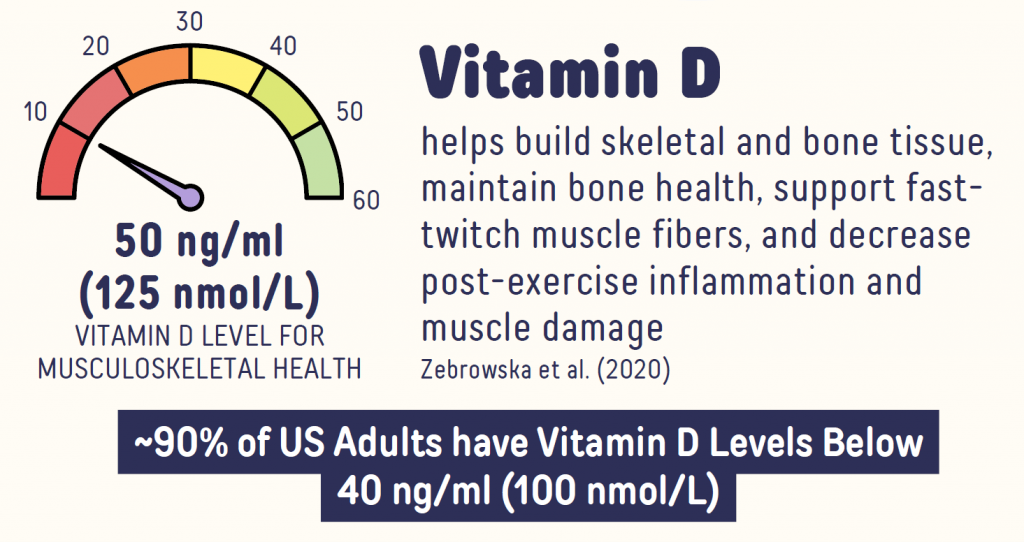
Vitamin D is often discussed as a bone nutrient, but its role is broader and more nuanced. It influences gene expression related to muscle function and immune responses. In recovery terms, that means it can help the body manage inflammation in a more balanced way—less prolonged irritation, more purposeful cleanup.
Imagine your cells as workshop rooms. Vitamin D helps regulate the tools that get used to repair tissue and coordinate systemic responses. When vitamin D status is inadequate, the workshop runs on inconsistent power: the body may still attempt repairs, but timelines can stretch and performance rebounds become less reliable.
Post-workout recovery is not only about rebuilding muscle. It’s also about restoring the signaling environment. Vitamin D supports a hormonal-like communication network that affects how the body responds to stress. When your recovery window is optimized, tomorrow’s training feels less like a gamble and more like an appointment.
Magnesium: The Enzyme Key That Unlocks Recovery Pathways
Magnesium is one of those essentials you rarely notice—until it’s absent. It participates in hundreds of enzymatic reactions, including those tied to muscle contraction, energy metabolism, and nervous system regulation. After training, energy demand rises and the body seeks pathways to regenerate ATP and reduce delayed fatigue.
Magnesium acts like a master key. It helps muscles relax after contraction, supports normal neuromuscular function, and supports glucose handling—important for athletes who train frequently or early in the day.
Many people interpret soreness as proof that they “worked hard.” True. But sometimes soreness is also a clue that the body is struggling to reset. Magnesium can reduce the friction in that reset process. It’s not a magic eraser for every ache, yet it can nudge recovery toward smoother mechanics—especially if dietary intake is low.
The Synergy: How Vitamin D and Magnesium Work Like a Power Couple
The most intriguing element is their interdependence. Magnesium is involved in vitamin D metabolism, including conversion steps that help vitamin D become biologically active. In plain language: magnesium helps vitamin D “work properly.” If vitamin D is the light, magnesium ensures the circuitry is intact.
Think of a dimly lit workshop. You may have lamps (vitamin D), but if the wiring and switches are faulty (low magnesium), the lamps won’t shine consistently. That inconsistency can mirror how recovery feels—variable, sometimes good, sometimes stubborn.
For athletes and active people, this synergy may be especially relevant. Training increases oxidative stress and affects electrolyte balance. Magnesium supports recovery chemistry, while vitamin D supports immune and muscle signaling. When both are present, the body is better equipped to convert training stress into adaptation rather than lingering fatigue.
When to Take Them: Timing Your Recovery Chemistry
Timing doesn’t have to be complicated, but it should be intentional. After a workout, your body is primed for replenishment—hydration, carbohydrates, protein, and micronutrients all play roles. Magnesium can fit well post-workout, particularly if it’s part of your evening recovery routine. Many people like taking magnesium later because it may support relaxation and sleep quality, which is where many recovery processes consolidate.
Vitamin D is often taken with a meal that includes fat, since absorption tends to be better. Some people prefer morning routines; others prefer pairing it with dinner. Consistency matters more than perfection. If you take vitamin D inconsistently, your recovery “lighting system” flickers.
Short sentence, long impact: take them in a way you can sustain. Recovery is a habit, not a one-time event.
What to Look For in Magnesium Forms (and Why It Matters)
Not all magnesium supplements are equal. Different forms can vary in tolerability and absorption characteristics. Some forms are gentler on digestion; others may be more likely to cause gastrointestinal discomfort. If you’ve ever taken magnesium and felt unexpectedly “impatient” in the bathroom, the form was likely the culprit.
Common forms include magnesium glycinate (often chosen for comfort), magnesium citrate (often selected for gut-related tolerance), and other salts with different properties. If your goal is recovery support without disrupting training-day routine, you’ll want a form that agrees with you.
Longer sessions require calmer digestion. Choose a supplement that doesn’t sabotage adherence.
Recovery Supplements as a Team: Building a Sensible Stack
Vitamin D and magnesium don’t live in isolation. They’re most effective when they’re part of a bigger recovery strategy. That strategy may include adequate protein for muscle repair, carbohydrates to replenish glycogen, hydration with electrolytes, and sleep for hormonal and cellular recovery.
Some athletes also use targeted aids such as omega-3 fatty acids for inflammation modulation, creatine for strength and energy buffering, or collagen peptides for connective tissue support. The key is coherence. If your stack is chaotic, your body receives conflicting signals.
Picture your recovery ecosystem as a garden. Vitamin D and magnesium are like soil quality and moisture retention. Protein and carbs are fertilizer and sunlight. Sleep is the season. Together they create conditions where adaptation can actually grow.

Signs You Might Be Under-Supplied (and What Not to Assume)
Low magnesium or vitamin D status can be subtle. Fatigue that seems disproportionate. Muscle cramps that arrive too easily. Poor sleep quality. Frequent aches. Low mood or sluggishness. None of these are exclusive evidence, yet they can serve as reminders to evaluate diet and lifestyle.
Vitamin D insufficiency is especially common in people who get limited sun exposure or live in regions with fewer UVB months. Magnesium insufficiency can happen when diets are low in nuts, legumes, whole grains, and leafy greens—or when training increases loss and turnover.
However, symptoms are not a diagnosis. The most reliable approach is testing and professional guidance. Think of lab results as a map, not a judgment.
Safety and Practical Guidance for Athletes
Micronutrients are helpful, but they’re not infinite. Magnesium and vitamin D should be used with awareness of recommended intake ranges and any personal risk factors. Individuals with kidney disease, for example, need additional caution with magnesium supplements.
Vitamin D also deserves respect because too much can be harmful. Dose should align with your nutritional status, dietary intake, sun exposure, and—ideally—bloodwork. If you build recovery like you build training, you’ll treat supplementation as a planned progression rather than a random experiment.
Short sentence again: consistency beats intensity. The goal is steady support, not sudden heroics.
Your Post-Workout Reset, Reimagined
Recovery is often described as “rest,” but it’s more accurate to call it reconstruction. Vitamin D and magnesium contribute to that rebuilding through immune balance, muscle signaling, enzymatic support, and neuromuscular calm. Their unique appeal is the quiet way they coordinate processes you can’t fully see.
When you prioritize these micronutrients, you’re not just chasing less soreness. You’re investing in a system that makes adaptation more likely and progress more dependable. The next time you finish training, don’t only count the minutes until you feel better. Count the steps your body takes during the recovery symphony—and give it the ingredients that help the music land.