Every so often, a health claim spreads with the speed of rumor and the comfort of certainty. One of the most persistent is the idea that vitamin K2 can reverse arterial plaque—that a person can somehow coax clogged vessels back into clarity. The story is alluring: fewer symptoms, cleaner arteries, a quiet victory over time. Yet biology rarely offers shortcuts. To understand what’s true, it helps to begin with what “plaque reversal” actually means, and why K2 has become a protagonist in a narrative that is far more complicated than the headline version.
What people mean by “reversing plaque”
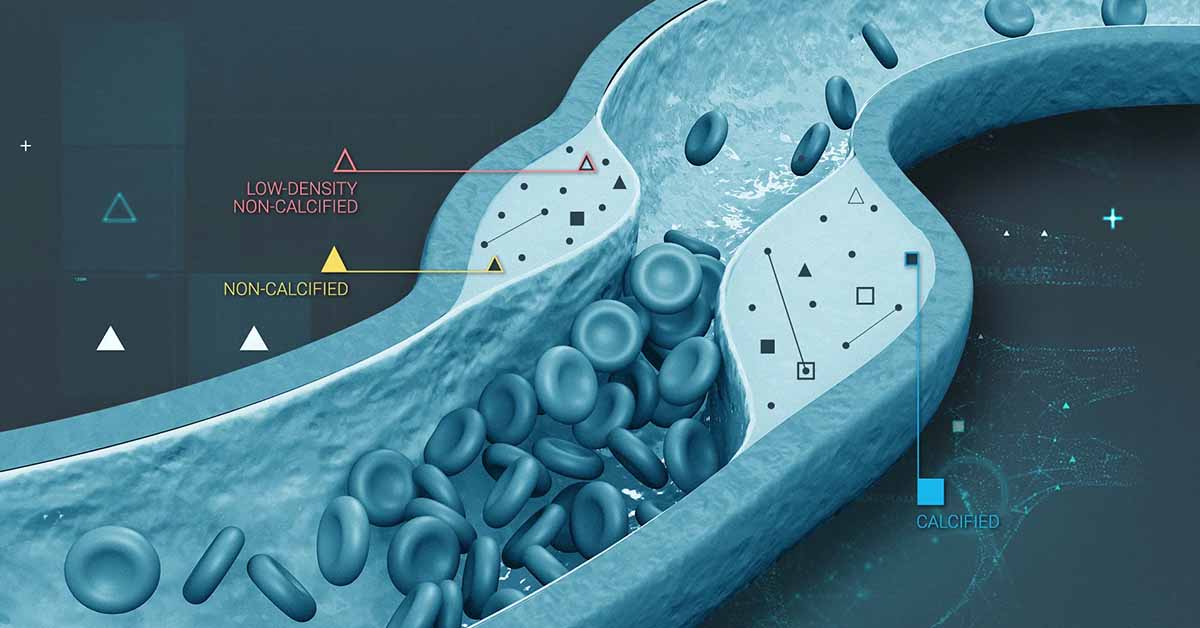
When someone says K2 reverses arterial plaque, they often picture an almost cinematic transformation: deposits dissolve, vessel walls smooth out, and blood flows as though the years never happened. In reality, “plaque” is not one uniform substance. Arterial lesions can include lipid cores, inflammatory cells, fibrous caps, calcification, and varying degrees of arterial remodeling. Some changes are reversible on paper—others are slow, structural, and deeply entrenched.
Calcification, for instance, is a form of mineralization in the vessel wall. It can correlate with disease severity, and it may be measurable. But arterial plaque encompasses much more than mineral deposits. Even if a therapy could influence calcification, that would not necessarily mean the entire plaque burden shrinks, caps stabilize less, or inflammatory activity disappears. The confusion is understandable: calcification is visible on imaging, while the inflammatory and lipid aspects are less straightforward.
Vitamin K2 is best known for its role in activating vitamin K–dependent proteins involved in calcium handling. These proteins can help regulate how and where calcium is deposited. In simplified terms, K2 supports pathways that may discourage inappropriate mineralization. This is the kernel of truth behind the fascination.
One pathway involves proteins linked to preventing “wrong-place” calcification. Another involves balancing the activation state of matrix proteins that influence vascular smooth muscle behavior. In short: K2 is not typically framed as a plaque-dissolving agent. Rather, it participates in calcium governance—an upstream lever that could influence later outcomes.
This distinction matters. When people interpret a change in calcification as “plaque reversal,” they often compress several biological phenomena into one word: reversal.
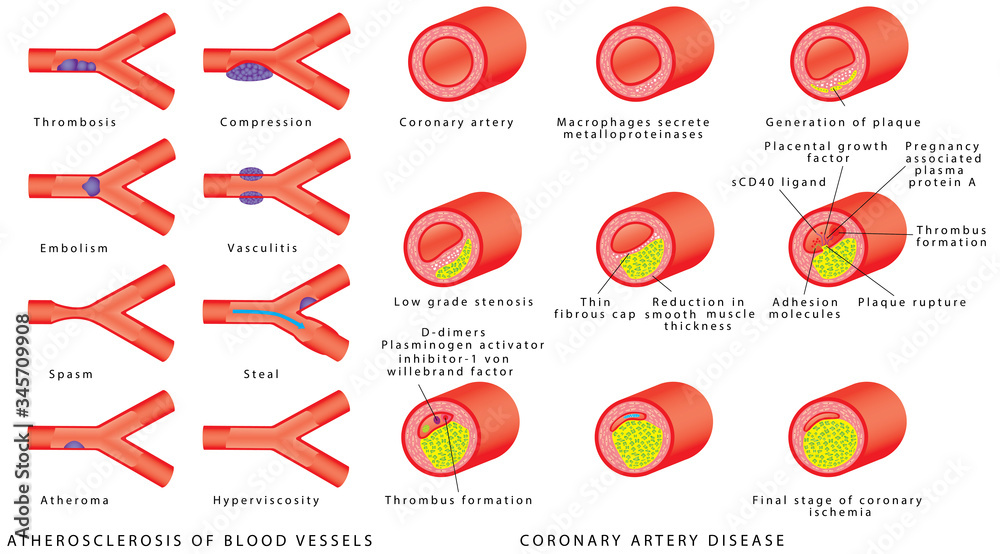
Atherosclerosis is not a single event; it’s a progressive process involving endothelial dysfunction, lipid accumulation, immune signaling, oxidative stress, and gradual plaque evolution. K2’s calcium-related influence can, at best, address one thread in this tapestry. Plaque includes cells, extracellular matrix, cholesterol-driven damage, and inflammatory signals. None of these are purely a calcium-only problem.
So the myth persists because some measurements may improve—especially those related to calcification—while the larger lesion architecture may remain. Atherosclerotic disease can also progress in parallel even as mineral deposition changes. Biology frequently allows “partial” improvements, which can be misread as complete reversal.
Still, absence of evidence for true reversal is not the same as evidence for uselessness. It’s more accurate to think in probabilities and mechanisms rather than promises.
Many people encounter stories that sound like proof: a scan shows less calcification or a coronary calcium score drops. This is often presented as “plaque reversal,” yet coronary calcium scoring primarily reflects mineral burden. A reduction in calcification could indicate altered mineral deposition, modified progression, or differences in plaque phenotype over time.
But calcification reduction can mean something different than plaque removal. Plaques may remain, but their composition may shift. A lesion might become more stable, or the microenvironment may change. Imaging sees minerals. Medicine needs to interpret what those minerals represent within the broader disease cycle.
There is also a practical reason the myth spreads: calcification is measurable over time, while inflammation and vulnerability are harder to quantify. People naturally gravitate toward what’s visible.
Vitamin K2 became fascinating partly because it suggests a logical deficiency story. If something regulates calcification, and calcification correlates with cardiovascular risk, then “fixing” that nutrient seems like a straightforward intervention. Human brains love linear explanations. When they encounter a non-linear disease, they often borrow a simpler narrative to fill the gaps.
There’s also the allure of specificity. K2 has a recognizable molecular pathway. It isn’t vague like “support cardiovascular health.” It’s mechanistic, almost elegant. That makes it easier for headlines to imply a sweeping outcome: if K2 influences mineralization, perhaps the entire plaque process can be reversed.
Yet mechanistic plausibility does not equal clinical reversal. It’s a compass, not a map.
Not all plaque behaves the same way. Some lesions are lipid-rich and vulnerable. Others develop fibrous caps and may calcify as part of a more stable phenotype. The disease’s danger often depends on plaque stability, not just volume. A therapy that shifts plaques toward stability might improve risk without shrinking plaque dramatically.
In that sense, the truth can be subtler than the myth. “Reversal” is a blunt label. “Stabilization” is a more nuanced concept. K2’s likely strengths, if any, may align more with stabilization-related biology—calcium handling, vascular smooth muscle signaling, and tissue remodeling—rather than literal dissolution of lesions.
Atherosclerosis is heavily influenced by factors that K2 cannot single-handedly neutralize. LDL cholesterol burden is foundational. Inflammation is relentless. Blood pressure, insulin resistance, smoking exposure, sleep quality, and physical activity all shape vascular fate.
Moreover, vitamin K2 does not operate in isolation. Fat-soluble nutrient networks—including K1, K2 forms, vitamin D status, and mineral balance—can affect outcomes. If someone supplements K2 while continuing high LDL, persistent inflammation, or ongoing metabolic dysfunction, the disease process may simply keep running its course.
This is another reason “reversal” stories are so sticky: they sometimes attribute the entire arc of improvement to one new variable, ignoring what else might have changed at the same time—dietary shifts, weight loss, medication changes, or improved adherence to a broader plan.
Research on K2 and vascular health includes a range of designs and endpoints. Some studies suggest associations between K2 status and cardiovascular outcomes, while others show limited or specific effects. Even when imaging outcomes improve, the question is whether K2 truly induces regression of plaque burden or merely modifies calcification progression.
To claim reversal requires more than plausible mechanisms or partial imaging shifts. It demands consistent evidence that plaques regress in meaningful ways—lesion characteristics, vulnerability markers, and hard cardiovascular events—not only mineral scoring.
In medical reasoning, the distinction between correlation, mechanistic plausibility, and clinical effect is not pedantry. It’s the difference between a story and a conclusion.
If the myth of K2 reversal is seductive, the most responsible perspective is grounded. Vitamin K2 may influence vascular calcification biology, and that could plausibly contribute to healthier vessel properties. But plaque reversal is a strong claim—strong enough that it should meet strong standards of proof.
Rather than chasing an imaginary “reset button,” focus on the strategies that reliably move the needle: lowering LDL cholesterol with appropriate therapy when indicated, addressing inflammation drivers, managing metabolic health, and maintaining lifestyle practices that support endothelial function. K2, if used, should be treated as an adjunct—never as the main architect of a cure.
In the end, the fascination is understandable. K2 sits at an intersection where biochemistry meets imaging reality. That intersection tempts us to believe we can rewind the clock. But the truth is more human: we can often influence direction, stability, and risk. Reversal, in the cinematic sense, remains an idea that outpaces the evidence.
Before treating vitamin K2 as a cardiovascular intervention, ask grounded questions. Which K2 form is being used, and at what dose? Are you addressing concurrent factors like LDL levels, blood pressure, and smoking exposure? Are you on medications that interact with vitamin K pathways? Are your labs and diet aligned with a sensible supplementation plan?
Short answers are rarely enough. The best approach is to connect nutrients to a broader cardiovascular strategy rather than to a single promise. When a nutrient is framed as part of a system, it becomes both more realistic and potentially more useful.
That’s the most accurate myth-busting conclusion: K2 may have a role in the mineralization narrative, but it doesn’t own the whole plot of atherosclerosis.