Have you ever stepped outside on a winter morning—lungs expanding, cheeks prickling—and wondered whether the sun is playing hide-and-seek with your vitamin D? It’s a whimsical thought. Yet behind the sparkle of snowflakes is a stubborn reality: winter often reduces sunlight exposure, and with it, your body’s ability to manufacture vitamin D. So when someone casually says, “Just take 2000 IU,” you may feel reassured. But what if the number isn’t a one-size shield? What if 2000 IU is more like a convenient RSVP than a guaranteed seat?
Why winter can quietly sabotage your vitamin D
Vitamin D is unusual. Many vitamins arrive from food, but vitamin D also depends heavily on ultraviolet B (UVB) light. In many places, winter brings shorter days, higher latitudes, and cloud cover. Even if the sky looks bright, the UVB dose may be minimal. Your skin—no matter how brave it feels in the cold—can generate less vitamin D when the sun’s angle is low.
Here’s the challenge: vitamin D stores build slowly and decline gradually. That means you can feel “fine” for a while while levels drift downward. Then, months later, the situation can feel like it came out of nowhere. It didn’t. It just took its time.
So the playful question becomes more serious: if winter steals your UVB access, shouldn’t your vitamin D strategy be as individual as your lifestyle?

2000 IU: a helpful baseline—or a potentially insufficient compromise?
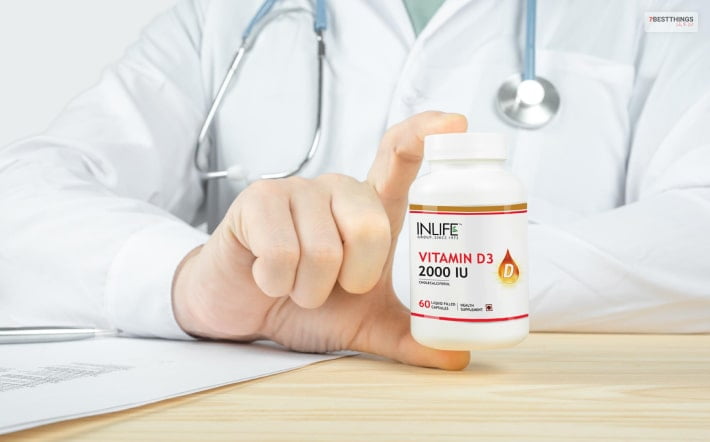
2000 IU is widely used because it’s sensible, accessible, and generally within the range many adults tolerate well. For some people, it works like a steady librarian, keeping vitamin D on track. For others, it may be a modest nudge rather than the corrective push that winter demands.
Why the discrepancy? Vitamin D status varies. If your baseline level is already low, 2000 IU might not restore you to a desired range quickly enough. If you’re starting higher, you might overshoot slowly—or simply maintain. If you have limited sunlight most of the year, your “winter number” may need to reflect your entire annual pattern.
There’s also a subtle math problem: dietary vitamin D, body fat distribution, genetics, skin pigmentation, and seasonality all alter how much vitamin D you actually absorb and convert. The same tablet can land differently in different bodies.
In other words, 2000 IU may be a smart guess. But in the absence of testing, it can also be a tidy assumption.
Absorption isn’t uniform: skin, body composition, and absorption dynamics
Let’s talk about the factors that make vitamin D feel like it behaves differently from person to person.
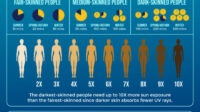
Skin pigmentation: Melanin acts like a sun filter. Darker skin generally produces less vitamin D in response to UVB, meaning winter reductions hit harder.
Body fat: Vitamin D is fat-soluble. If body fat stores are higher, vitamin D can be sequestered and released more slowly. That doesn’t mean supplementation is futile—but it can mean the response takes a different timeline.
Absorption: Taking vitamin D with fat-containing meals improves absorption for many people. A supplement swallowed on an empty stomach can feel like trying to mail a letter without an address.
Consistency: Sporadic dosing is like building a snowman with melting wax. The goal isn’t just “take it sometimes,” but sustain an intake pattern that aligns with how your levels fluctuate.
When you consider these variables, the idea of a single winter dose starts to look less universal and more like a rough weather forecast—useful, but not precise enough to guarantee clear skies.
Signs of low vitamin D: what your body might whisper
Low vitamin D doesn’t always arrive with dramatic fireworks. Sometimes it’s more like a low-frequency hum you only notice when it fades.
Potential clues can include musculoskeletal discomfort, lingering fatigue, and muscle weakness. Some people report changes in mood or a sense of sluggishness during long winters. However, these symptoms are not exclusive to vitamin D. They can overlap with iron deficiency, thyroid variations, sleep disturbance, or general winter deconditioning.
This is where a thoughtful approach matters: symptoms can be a hint, not a verdict. If you’re relying only on how you feel, you may miss the quiet portion of the story—particularly if your health habits already compensate in other ways.
Testing turns guesswork into clarity, like switching from dim headlights to a well-calibrated beam.
Testing: the difference between “maybe” and “measured”
Vitamin D status can be evaluated through a blood test, often measuring 25-hydroxyvitamin D. This is the commonly used marker because it reflects stored and circulating vitamin D. Without it, it’s difficult to determine whether 2000 IU is enough for you, whether it’s on target, or whether it’s merely maintaining an underfilled reservoir.
Timing matters too. If you start supplementing in mid-winter, the body may require several weeks to reflect changes in lab results. Rechecking after a reasonable interval can help prevent the common pitfall of continuing an ineffective dose for months.
In the absence of testing, many people simply keep increasing doses—or they stop too soon. Testing offers a more rational path: you can adjust with intention rather than guesswork.
Food and sunshine alternatives: can they truly offset winter?
Sunlight is the headline, but it’s not the only subplot. Food can contribute—fatty fish (like salmon or sardines), fortified dairy or plant alternatives, and some fortified cereals can help. Yet winter diets often become less vitamin D–rich, and food alone may not cover substantial gaps.
Still, food is not irrelevant. It can support your baseline, making your supplement work with you instead of working alone. Think of it as scaffolding rather than the entire building.
And yes, some people get outdoor time even in winter. But the key variable remains UVB exposure, which is influenced by season, latitude, cloud cover, time of day, and sunscreen use. Even if you’re outdoors, the vitamin D outcome may be limited.
Safety and common dosing realities: higher isn’t always better
Here’s a practical truth: vitamin D is not an unlimited resource. Excessive intake can lead to hypercalcemia, which can cause symptoms like nausea, weakness, and kidney-related complications. This is why professional guidance can be valuable—especially for higher-dose strategies.
2000 IU is often considered a conservative, generally well-tolerated amount for many adults. Yet “generally tolerated” is not the same as “universally ideal.” Your starting level, medical history, kidney function, and calcium intake all influence your safe range.
So rather than escalating impulsively, consider a measured approach: choose a reasonable dose, take it consistently (often with food), and reassess through testing when appropriate.

So… is 2000 IU enough? A decision framework for real life
Instead of asking whether 2000 IU is “enough” in a universal sense, ask the more useful question: enough for you?
Consider these checkpoints:
1) Your baseline: If you’ve been low before, 2000 IU may be a beginning, not the destination.
2) Your sunlight pattern: If you’re indoors most daylight hours in winter, you may need a more tailored plan.
3) Your absorption context: Take it with a meal containing fat, and consider whether other dietary factors support absorption.
4) Your timeframe: Levels rise gradually. Winter strategy isn’t a weekend project; it’s a seasonal campaign.
5) Your safety parameters: Don’t treat vitamin D like candy. Adjust with evidence and—when appropriate—clinical guidance.
When you combine these pieces, the “winter vitamin D” conversation transforms from a vague recommendation into a personal, data-informed plan.
A playful ending—with a serious takeaway
So, is winter vitamin D a myth wrapped in a sunny slogan? No. It’s real, it matters, and it deserves attention. The truth is simply more nuanced than a single number printed on a bottle.
2000 IU might be a sturdy winter raft. Or it might be a small floatation device—helpful, but not enough to cross the entire dark season without support. The most empowering move is to stop relying on hope alone: test, observe, and adjust with intention.
Because while winter can be a master of disguise, your health strategy doesn’t have to be. You can turn the uncertainty into a plan that actually fits.