Ever stared at your hairline in the mirror and wondered whether something as unassuming as sunlight could actually influence what’s happening beneath the surface? Here’s a playful thought: your scalp may look like a passive landscape, yet it behaves like a living laboratory. And vitamin D—often dubbed the “sunshine vitamin”—might be one of the quiet directors guiding the hair growth cycle, especially the coveted anagen phase. But before you settle into optimism, consider the potential challenge: many people carry low vitamin D levels without noticing, and that subtle deficit can turn “steady regrowth” into an uneven, sluggish rhythm.
Why the Anagen Phase Feels Like the Main Event
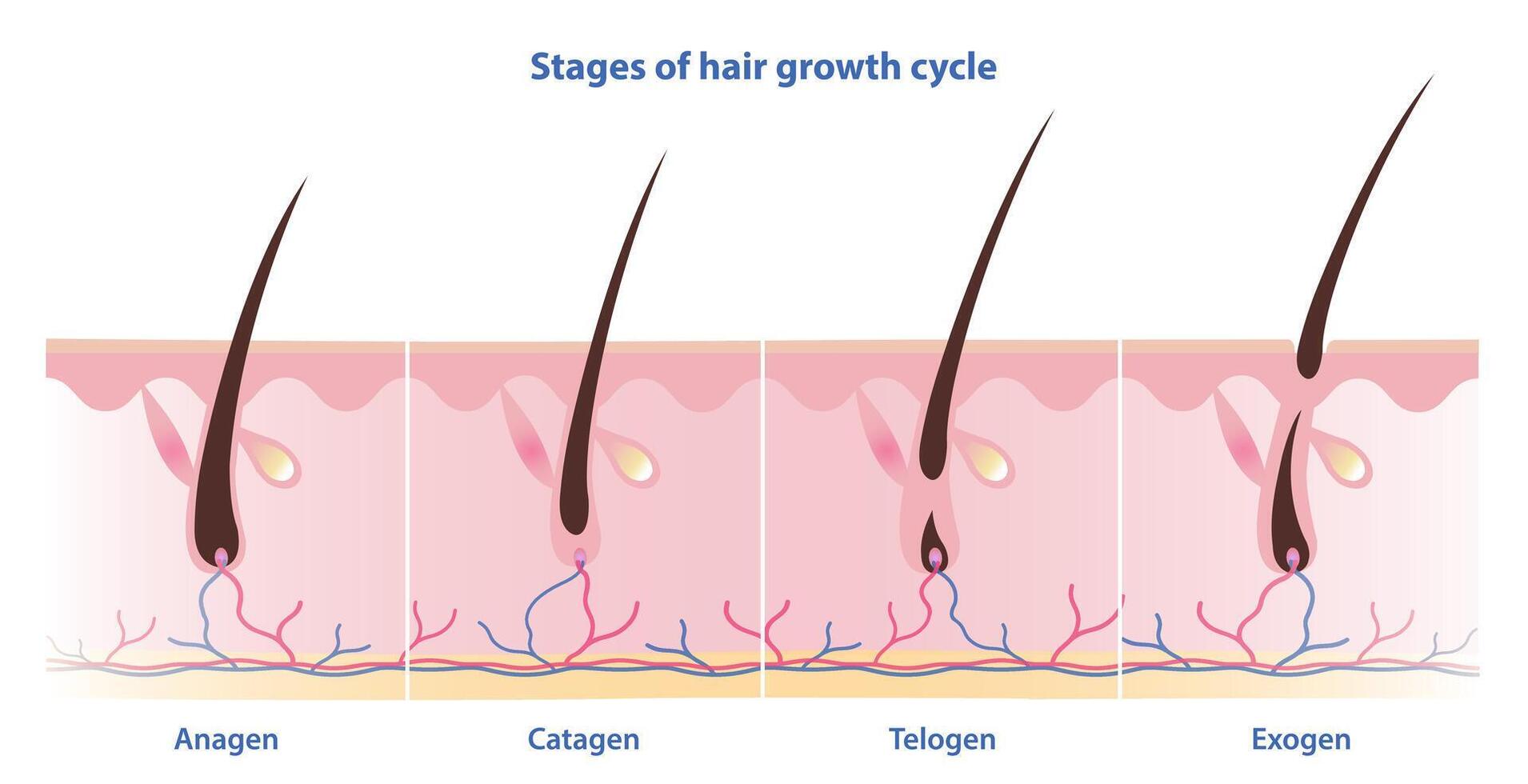
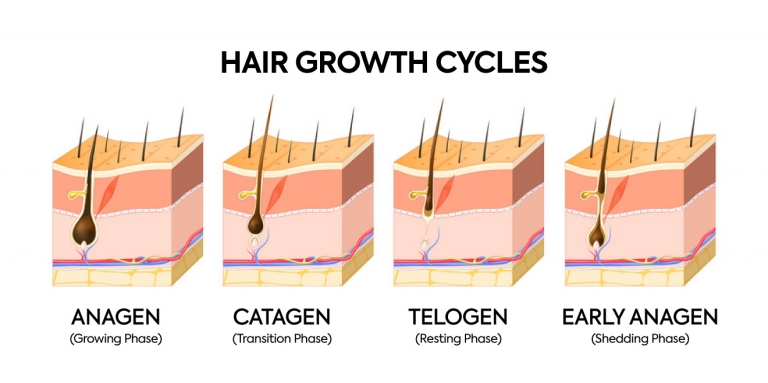
The hair growth cycle is typically described in four phases: anagen, catagen, telogen, and shedding/exogen. Anagen is the grand work period—the growth phase where follicles actively produce hair fibers. It’s the part of the cycle most people care about because longer anagen usually correlates with longer, fuller hair.
During anagen, follicles are metabolically busy. They proliferate cells, reorganize keratin production, and extend the hair shaft like a construction crew racing against time. When anagen is strong, hair may appear denser and more resilient. When anagen is shortened, hair may emerge thinner or break sooner, even if shedding doesn’t immediately look dramatic.
So where does vitamin D enter the story? Not as a magic wand. Instead, vitamin D appears to influence follicular biology—helping follicles maintain the conditions needed for continued growth.
Vitamin D as a Follicular Signaling Maestro
Vitamin D isn’t merely a vitamin in the dietary sense; it functions more like a signaling molecule once it’s activated in the body. It can interact with specialized receptors present in various tissues, including skin and hair follicle-related structures. Think of it as a molecular key that unlocks communication pathways.
When vitamin D signaling is adequate, follicles may better support cellular differentiation and regulation. In plain language: the follicle is more likely to follow the script of anagen instead of drifting prematurely toward transition phases.
This matters because hair growth isn’t just about “more growth.” It’s about coordinated growth—cells dividing at the right time, keratinizing in the right sequence, and maintaining an internal environment where anagen can persist.
The Challenge: Low Vitamin D Can Be Sneaky
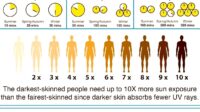
Here’s the twist. Vitamin D deficiency can be surprisingly common, and it’s often invisible. You can feel fine while your vitamin D stores sit low. Lifestyle factors—limited sun exposure, darker skin pigmentation, indoor-heavy routines, geographic latitude, and even sunscreen habits—can contribute.
Some people also experience dietary shortfalls. Others have absorption issues that reduce how much vitamin D the body can actually utilize. The result can be a chronic, low-grade scarcity.
And hair follicles dislike chronic uncertainty. If follicular function subtly declines, anagen may become less robust or less persistent. The change can be gradual, like a dimming lamp rather than a sudden blackout.
If you’re noticing increased shedding, thinning, or slower growth that feels out of sync, vitamin D status is one potential thread worth investigating—especially if other risk factors are present.
From Sunlight to Activated Vitamin D: The Conversion Journey
Vitamin D has to travel through a conversion pathway to become fully active. Most people begin with sunlight exposure, which prompts vitamin D production in the skin. Then the body processes it through steps in the liver and kidneys, generating the hormonally active form that can influence gene expression and signaling.
This journey is important because it explains why “getting some sun” may not always guarantee adequate levels. Sunlight exposure varies widely by season, time of day, skin coverage, and geography. Even when sun exposure occurs, the conversion process may differ between individuals.
The practical consequence? Monitoring matters. When vitamin D is truly sufficient, the follicle receives more consistent regulatory cues associated with healthy hair cycle dynamics—especially the anagen phase.
Vitamin D and Inflammation: Calming the Follicular Microenvironment
Hair follicles are not isolated islands. They exist inside a microenvironment that can include immune activity, oxidative stress, and inflammatory signaling. Chronic inflammation—sometimes subtle, sometimes clearly present—can disrupt growth patterns.
Vitamin D has been linked to immune modulation. That means it can influence how inflammatory pathways behave. When inflammation is better controlled, follicles may be more able to maintain growth conditions rather than reacting as though the environment is unsafe.
Imagine anagen as a carefully balanced orchestra. Inflammation is the off-beat percussion. Vitamin D may help reduce that disruptive noise, allowing the growth “melody” to continue longer.
The Oxidative Stress Angle: Protecting Growth Machinery
Cells involved in hair production are active, and active cells generate byproducts. Oxidative stress—an imbalance between free radicals and antioxidant defenses—can impact follicle health. If oxidative stress persists, it can alter cell proliferation and differentiation.
Vitamin D is often discussed in relation to antioxidant and cellular regulation pathways. While the full biological picture is complex, the underlying theme is consistent: adequate vitamin D may support cellular stability that indirectly favors a healthier anagen progression.
In a follicle under oxidative strain, anagen may shorten. In a follicle with better protective signaling, anagen may persist with greater stability.
Connections to Hair Loss Patterns and Individual Variation
Vitamin D doesn’t act alone. Hair loss is multifactorial, and genetics, hormonal influences, stress physiology, nutrition, scalp conditions, and autoimmune factors can all contribute. Still, vitamin D interacts with a broader biological web.
Some people with hair thinning show correlations with lower vitamin D levels. Others don’t, and that’s crucial to remember: correlation is not destiny. Individual responses vary based on baseline health, absorption capacity, coexisting nutrient deficiencies, and the specific hair loss mechanism involved.
So if hair changes are occurring, vitamin D assessment becomes part of a larger puzzle—one that can provide clarity and guide next steps.
How to Approach Vitamin D for Hair: Testing, Timing, and Caution
If vitamin D is on your “maybe” list, a practical approach begins with testing. A blood test can reveal your current status and help avoid guesswork. It’s tempting to self-supplement immediately, but vitamin D is fat-soluble, and too much can be harmful.
Once levels are known, a clinician can recommend an appropriate plan—sometimes involving daily dosing, other times intermittent higher doses—based on severity and individual risk factors.
Time matters as well. Hair growth doesn’t reset overnight. Even if vitamin D improves follicular signaling, visible changes may take weeks to months. Hair biology moves at a different tempo than instant gratification.
Pairing Vitamin D with the “Anagen Allies”
Vitamin D may support anagen, but it performs best alongside other essentials. Iron status, zinc balance, adequate protein intake, and sufficient vitamin cofactors can all influence growth. Selenium and biotin are often discussed, though needs vary and supplementation should be thoughtful.
Scalp health also matters. Inflammatory scalp conditions can hinder growth regardless of systemic nutrient status. Gentle hair care, appropriate treatments, and addressing irritation can help create an environment where anagen can flourish.
Think of anagen as a thriving garden. Vitamin D is one of the sunlight regulators. But soil nutrients, watering consistency, and pest control also matter.
A Closing Thought: Will Your Follicles Get the Signal They Need?
So, can vitamin D influence the anagen phase? The evidence points toward a meaningful role in follicular signaling, inflammation modulation, and cellular support—factors that can help hair follicles stay in growth-mode longer. The potential challenge is that vitamin D deficiency can be quietly present, and hair may reflect that internal imbalance before you realize it.
If you’re watching your hair pattern shift—thinning, slower growth, or increased shedding—consider vitamin D as part of the conversation. Not as the sole answer. As a key that may help unlock healthier anagen continuity.
Your follicles are listening. The question is whether you’re providing the signals they need.