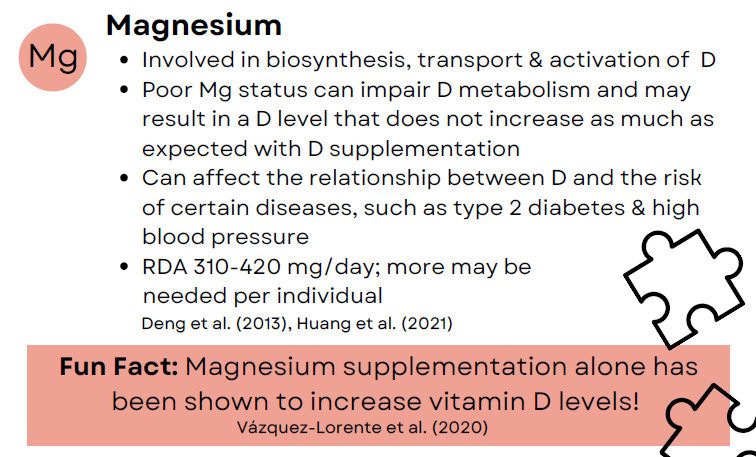
Vitamin D is often discussed like a lone hero—vital, ubiquitous, and famously tied to bones. Yet the story becomes far more intricate when you consider magnesium. This mineral acts less like a side character and more like a molecular gatekeeper, influencing how vitamin D is synthesized, transported, and ultimately used. When vitamin D dosage increases, magnesium needs frequently shift in subtle but consequential ways. Understanding this relationship helps readers move beyond generic supplementation and toward a steadier, biologically coherent strategy.
Why Vitamin D Dosage Changes the “Magnesium Landscape”
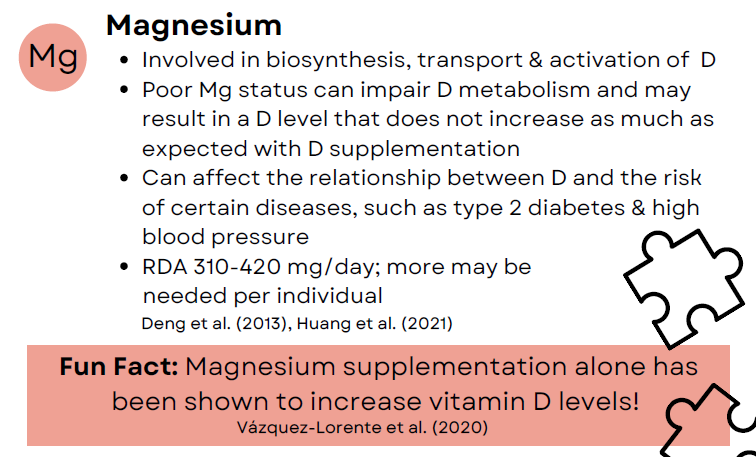
Vitamin D doesn’t merely “enter the body and do its job.” It undergoes a cascade of conversions and regulatory steps. Magnesium is required for a variety of enzyme functions that support these steps. When vitamin D intake rises—through sun exposure, fortified foods, or higher-dose supplements—the body may demand additional magnesium to maintain smooth biochemical processing.
Think of magnesium as a conductor that keeps multiple biochemical instruments in tune. If the conductor is under-resourced, vitamin D can still be present, but the orchestra may not perform with full fidelity. This can manifest as functional inefficiency rather than an obvious deficiency.
Importantly, magnesium requirements are not simply “bigger is better.” Magnesium needs depend on diet quality, baseline status, kidney handling, medication use, and individual physiology. Still, increasing vitamin D dosage is a common trigger for reassessing magnesium adequacy.
The Biochemical Pathway: From Vitamin D Activation to Magnesium Dependence
Vitamin D begins as either cholecalciferol (D3) or another precursor. The body then hydroxylates it—first to form 25-hydroxyvitamin D (often used as the common blood marker) and later to form the active hormone-like form, calcitriol. Magnesium participates in enzyme systems that underpin these conversions and subsequent signaling.
When magnesium is insufficient, downstream activation and receptor-mediated processes may become less efficient. The result can be a paradox: vitamin D levels may appear “reasonable,” yet tissues don’t fully realize the benefits. This is one reason some people feel better on modest vitamin D doses only to plateau or experience lingering symptoms when dosages increase without adequate magnesium support.
Magnesium also intersects with calcium regulation. Vitamin D encourages calcium absorption, but calcium homeostasis is tightly coupled to magnesium balance. A misalignment can produce a kind of biochemical crowding—more calcium signaling pressure without the stabilizing influence magnesium provides.
Serum 25(OH)D vs. Functional Outcomes: The Hidden Gap
Many readers focus on serum 25(OH)D because it’s measurable and often emphasized in wellness conversations. Yet serum levels don’t always reveal whether magnesium-dependent steps are humming. A person can have a target-range lab value while still experiencing insufficient magnesium-related cellular support.
Functional outcomes—muscle comfort, energy rhythm, neuromuscular steadiness, and overall inflammatory tone—can offer clues. Magnesium insufficiency may show up as muscle tightness, unusual cramps, restless sleep patterns, or heightened stress reactivity. These signs are not exclusive to magnesium, but they often appear in overlapping narratives when vitamin D is increased.
Therefore, readers should consider a broader lens: vitamin D dosage is one variable; magnesium sufficiency is the missing context that determines how well the vitamin D strategy performs.
How to Think About Magnesium Requirement: Baseline Status, Dose, and Risk
Magnesium requirement is highly individualized. Someone with excellent dietary magnesium intake may experience little impact from moderate vitamin D supplementation. Another person—especially with low dietary magnesium, high alcohol intake, chronic GI disturbances, or increased urinary loss—may require more deliberate magnesium attention when increasing vitamin D dosage.
Risk factors can quietly raise magnesium needs or lower retention. Gastrointestinal conditions that impair absorption, certain medications (like some diuretics or proton pump inhibitors), and high-sweat lifestyles can all alter the magnesium budget. In these contexts, stepping up vitamin D dosage can unmask a hidden magnesium constraint.
A practical approach is to evaluate magnesium intake patterns and symptom history, then adjust thoughtfully rather than abruptly. Sudden, high vitamin D doses may not be “wrong,” but they can raise the likelihood of needing magnesium rebalancing sooner.
Common Magnesium Forms: Absorption, Tolerance, and Reader-Friendly Expectations
Magnesium comes in multiple chemical forms, and each has a different absorption profile and tolerability landscape. Readers often want straightforward choices, so it helps to connect the form to real-world expectations.
Magnesium glycinate is frequently favored for its gentle profile and is often chosen by people focusing on sleep quality and neuromuscular relaxation. Magnesium citrate is well known for supporting bowel regularity; it may be helpful for those who also need mild digestive support, but it can cause looser stools in sensitive individuals. Magnesium oxide is commonly discussed as economical, though it may be less absorbable; many people tolerate it less comfortably. Magnesium threonate is marketed for cognitive and neurological support, appealing to readers seeking brain-related benefits, though individual responses vary.
The key takeaway: the “right” magnesium form is often the one that matches a person’s absorption capacity and tolerance. When vitamin D dosage increases, the goal is consistent magnesium availability without digestive friction.
Timing Strategies: Spreading Doses vs. Synchronizing Support
Timing is rarely the headline in supplement marketing, yet it can meaningfully influence how people experience supplementation. Magnesium and vitamin D can be taken together or separated, depending on comfort, stomach sensitivity, and the specific magnesium form.
Many readers find it easier to split magnesium dosing—small amounts during the day rather than a large single dose. This can support steadier blood levels and improve gastrointestinal comfort. Vitamin D, typically taken with food (especially meals containing fat), may have improved uptake. Pairing vitamin D with a meal can reduce the likelihood of nausea and promote reliable absorption.
Some people prefer to avoid taking magnesium and vitamin D at exactly the same moment, largely for digestive comfort or personal routine. Others like the simplicity of pairing them. Either pattern can work; the best strategy is the one that stays consistent and tolerable.
Signs That Magnesium Might Be Lagging Behind Higher Vitamin D
When vitamin D dosage rises, magnesium insufficiency may become more noticeable. Readers commonly report neuromuscular symptoms—muscle twitching, cramping, or “tightness” that feels disproportionate to activity. Sleep can also become oddly restless; some people describe a wired-but-tired sensation.
Energy fluctuations are another clue. Instead of a steady uplift, some feel jittery, irritable, or unusually sensitive to stress. This isn’t proof of magnesium deficiency, but it can justify a closer look at magnesium intake and overall mineral balance.
Because symptoms overlap with other conditions, caution matters. If symptoms intensify, it is wise to seek professional guidance and consider relevant labs, including magnesium (as clinically appropriate), calcium, kidney function markers, and other nutritional indicators.
Practical Expectations: How Readers Can Build a Balanced Supplement Routine
A thoughtful routine begins with clarity about priorities. Vitamin D dosing should align with measured status and professional recommendations when needed. Magnesium supplementation should align with dietary intake, symptom patterns, and tolerance.
Readers can expect that magnesium is often a “stabilizer” rather than a dramatic, instant trigger. Some notice improved sleep or reduced muscular tension within days. Others need longer for consistent effects—especially when dietary intake was previously low. Magnesium repletion can be like leveling a floor; once stable, movements feel smoother.
It also helps to avoid the habit of “chasing labs” without context. One lab value is a snapshot; mineral interactions are dynamic. The best results often come from steady dosing, adequate hydration, and attention to gut health—because mineral absorption is frequently a digestive story.
Safety Considerations: When Magnesium and Vitamin D Require Extra Caution
Magnesium is generally considered safe when used appropriately, but high supplemental doses can cause diarrhea, cramping, or dehydration through loose stools. People with kidney impairment need extra caution because magnesium clearance depends heavily on renal function.
Vitamin D safety hinges on dose and baseline status. Excess vitamin D can raise calcium levels, which can be problematic. Since magnesium interacts with calcium regulation, a poorly managed supplementation plan can create a destabilizing feedback loop. This is where individualized guidance matters—particularly for those on medications that influence vitamin D metabolism, calcium balance, or kidney function.

Bringing It Together: A Cohesive View of Dosage, Need, and Response
The relationship between vitamin D dosage and magnesium requirement is best understood as a coordination problem. Vitamin D drives important absorption and signaling pathways. Magnesium provides the biochemical reliability that helps those pathways execute efficiently. When vitamin D intake increases, magnesium demand can follow—sometimes subtly at first, sometimes with clear symptoms that signal the body is asking for more mineral support.
For readers building a supplementation plan, the most resilient mindset is to treat nutrients as an interlocking system rather than isolated pills. Magnesium forms, timing preferences, baseline dietary intake, and risk factors all influence outcomes. When these variables align, vitamin D can perform with greater consistency, and the body’s downstream benefits become more likely to feel real, not just measurable.