Vitamin D is often described as a “sunshine vitamin,” but in real kitchens it behaves more like a backstage worker—quiet, essential, and easily overlooked. Almond butter, meanwhile, is the warm spotlight: nutty, satisfying, and naturally rich in fats. The question many people ask is simple—can you take vitamin D with almond butter? The deeper answer is where the story gets interesting, because fats are not just flavor partners; they can be transport vessels for fat-soluble nutrients. Let’s look closely at the fat content, the practical timing, and the unique appeal of this pairing—one spoonful at a time.
Vitamin D: A Fat-Soluble Mechanism, Not Just a Supplement
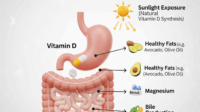
Vitamin D belongs to the fat-soluble family, which means it doesn’t travel freely like a water-based nutrient. Instead, it prefers the company of dietary lipids. Think of vitamin D as a seed that needs a protective coat to move safely through its journey. Without enough fat context, absorption can be less efficient—like trying to carry a delicate object in a pocket that’s too dry or too flimsy.
This is also why vitamin D conversations often mention “with food” rather than “on an empty stomach.” Fat-soluble nutrients typically pair more naturally with meals containing some lipid content. Almond butter fits that role surprisingly well, offering more than taste—it provides a dietary environment that may support uptake.
Almond Butter’s Fat Profile: The Absorption Ally
Almond butter is not a low-fat condiment. It is defined by its lipid richness, primarily in the form of monounsaturated fats. For vitamin D, the question becomes less “is there fat?” and more “is there enough?” Most people consuming almond butter are taking in a meaningful amount of fat, particularly when using it as a spoonful rather than a mere garnish.
That fat can create a smoother absorption pathway for vitamin D. In the same way that an umbrella helps with a specific kind of weather, fats help vitamin D navigate the digestive terrain. The mechanism isn’t mystical; it’s physiological. Lipids participate in digestive processes that help transport fat-soluble compounds.
Still, fat content is not a universal “more is better” scenario. Almond butter’s benefits come with calibration: portion size matters, especially if you’re watching calories or saturated fat intake from the rest of your day.
Can You Take Vitamin D with Almond Butter? Yes—But Dose and Context Matter
In most cases, taking vitamin D with almond butter is a reasonable strategy, particularly if your vitamin D supplement is taken with food. Many supplements are designed to be absorbed alongside meals, and almond butter naturally supplies the lipid environment that fat-soluble vitamins favor.
Picture the pairing like a duet. Vitamin D provides the melody; almond butter supplies the rhythm that helps the performance land. Short story version: the fats can support absorption, and the timing with food can keep the process steady.
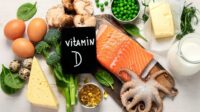
However, context is the real choreographer. If someone is already eating a meal with adequate healthy fats—such as eggs, olive oil, avocado, or fatty fish—adding almond butter might be unnecessary. On the other hand, if your day is light on fats, almond butter could be a helpful “bridge” between supplement and absorption.
Timing: Morning, Evening, and the “With Food” Rule
When you take vitamin D matters less than whether you take it with food, but timing can still influence comfort and routine. Some people prefer morning dosing because it aligns with breakfast and sunlight exposure habits. Others prefer evening dosing because it’s easier to remember alongside dinner.
Almond butter is typically eaten in small, convenient amounts—on toast, blended into oats, or straight from the jar. That makes it easier to create a consistent dosing ritual. Consistency is a quiet superpower. A supplement that’s taken irregularly is like a lighthouse that flashes only when it remembers.
If your stomach is sensitive, taking vitamin D with almond butter may feel gentler than taking it on an empty stomach. Yet, if fats trigger reflux for you, adjust the timing to a meal that sits comfortably.
How Much Almond Butter? Portion as a Precision Tool
Almond butter doesn’t need to be used like a supplement itself. A modest serving can provide supportive fat context without turning your entire day into a calorie marathon. Many people find that 1 tablespoon is a practical portion—enough to accompany the supplement without overshooting the mark.
Think of portion size like the volume knob on a stereo. You want the music loud enough to be heard, not so loud that it drowns out everything else. If you’re also consuming other high-fat foods around the same time, consider whether almond butter is adding redundancy.
For those managing weight, cholesterol concerns, or digestive sensitivity, portion awareness becomes especially important. Almond butter is nutritious, but it’s still concentrated energy.
Potential Upsides Beyond Absorption: Texture, Satiety, and Adherence
The unique appeal of almond butter isn’t only nutritional—it’s behavioral. It makes vitamin D easier to take consistently, because it turns an abstract pill into a sensory moment. There’s something intrinsically satisfying about pairing a pill with a spoonful of something creamy and nutty.
Satiety is another advantage. Healthy fats can help you feel full, potentially reducing late-day snacking. While vitamin D itself doesn’t “control appetite,” the meal context does. By anchoring your supplement to a satisfying food, you’re more likely to keep the habit alive.
In other words, almond butter can help turn supplementation from a chore into a ritual. Rituals are how science survives the real world.
Who Should Be Careful? Vitamin D Levels, Interactions, and Medical Nuances
Vitamin D has a wide safety margin for most people, but it’s not something to treat as infinitely upgradable. Higher doses can raise blood calcium in some circumstances. If you’re already taking a vitamin D supplement, it’s worth checking your total daily intake from all sources—especially if you also use fortified foods.
Similarly, some medications can affect how vitamin D works. If you take drugs such as certain cholesterol-lowering agents or medicines that alter fat absorption, absorption may behave differently, and a clinician’s advice becomes more important than a general food pairing.
If you have kidney disease, a history of high calcium, or conditions that affect vitamin metabolism, consult a healthcare professional before adjusting dosing routines. The goal is steady benefit, not trial-and-error.
Practical Ways to Pair Them: Simple Rituals That Work
Try one of these approachable methods:
1) Spoon-and-swallow pairing: Take your vitamin D supplement and follow it with 1 tablespoon of almond butter. This is straightforward and repeatable.
2) Oat or yogurt swirl: Mix almond butter into yogurt or oats, then take vitamin D with the same meal.
3) Smoothie integration: Blend almond butter into a smoothie and take vitamin D alongside it. Smoothies can improve compliance because they feel like a planned beverage, not a task.

Each method creates the same physiological theme: vitamin D meets a fat-containing meal environment. The best ritual is the one you’ll actually repeat.
Bottom Line: The Spoonful Strategy for a Sunshine Vitamin
Yes—taking vitamin D with almond butter is generally a smart pairing, mainly because vitamin D is fat-soluble and almond butter provides dietary fats that can support absorption. The most compelling part of this combination is its realism: it’s easy to do, easy to remember, and it turns a supplement into something more like a comforting routine.
Still, precision matters. Pay attention to your overall dose, your daily fat intake, and your medical context. Use almond butter as an ally, not an overcorrection. When done thoughtfully, this duo can feel less like “taking a pill” and more like giving your body the right conditions to work with you—quietly, consistently, and with steady momentum.