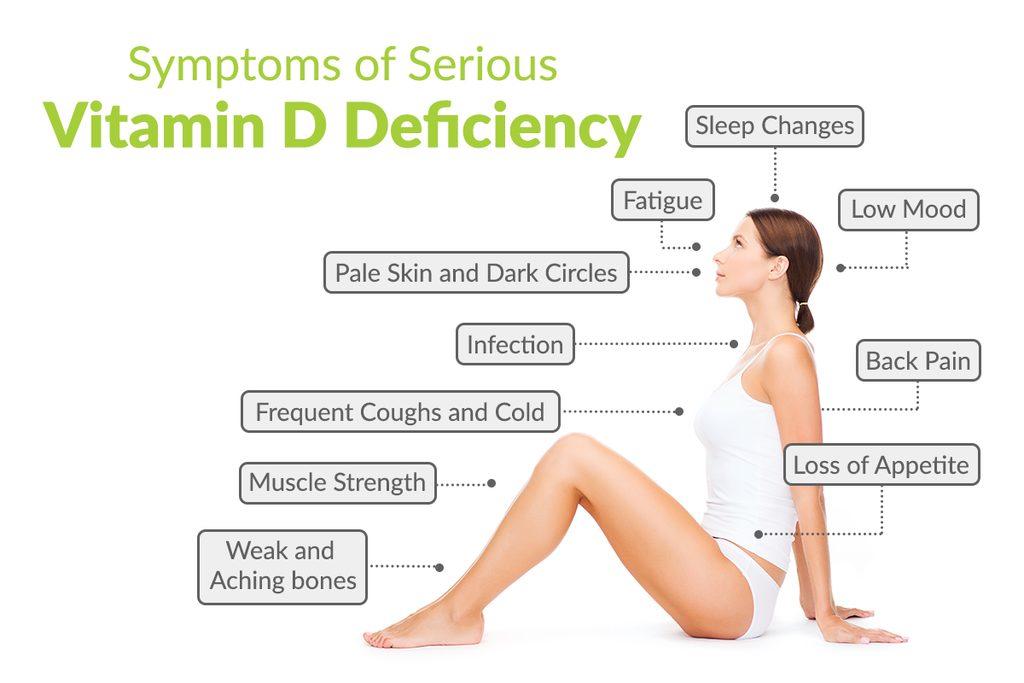
Vitamin D deficiency is often framed as a “bone problem,” which is precisely why so many young adults miss the quieter, earlier warning signs. They assume fatigue is just stress, mood changes are just life, and aches are just being “out of shape.” Then winter arrives, sunlight dwindles, and the body starts to protest more loudly. Among the many symptoms, one stands out as the most overlooked: a subtle, persistent muscle ache paired with a vague sense of weakness—something that doesn’t always declare itself as pain, but steadily erodes comfort and performance.
Why Young Adults Misread Vitamin D Signals
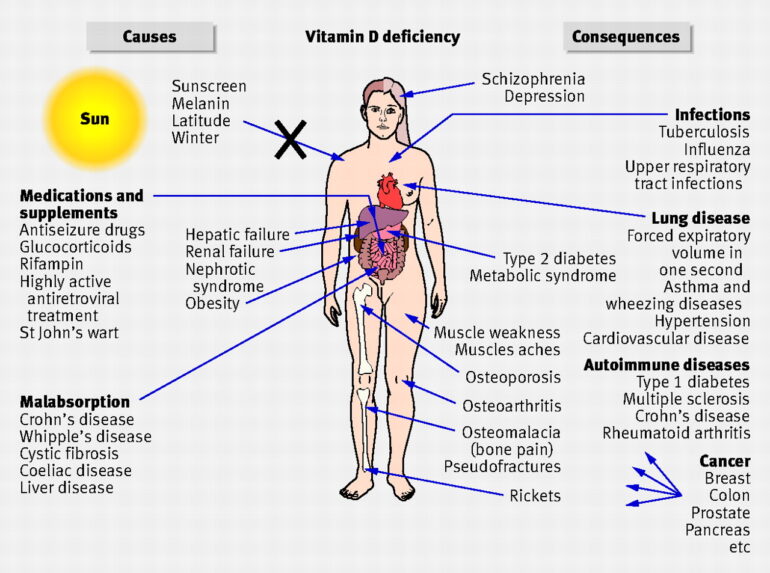
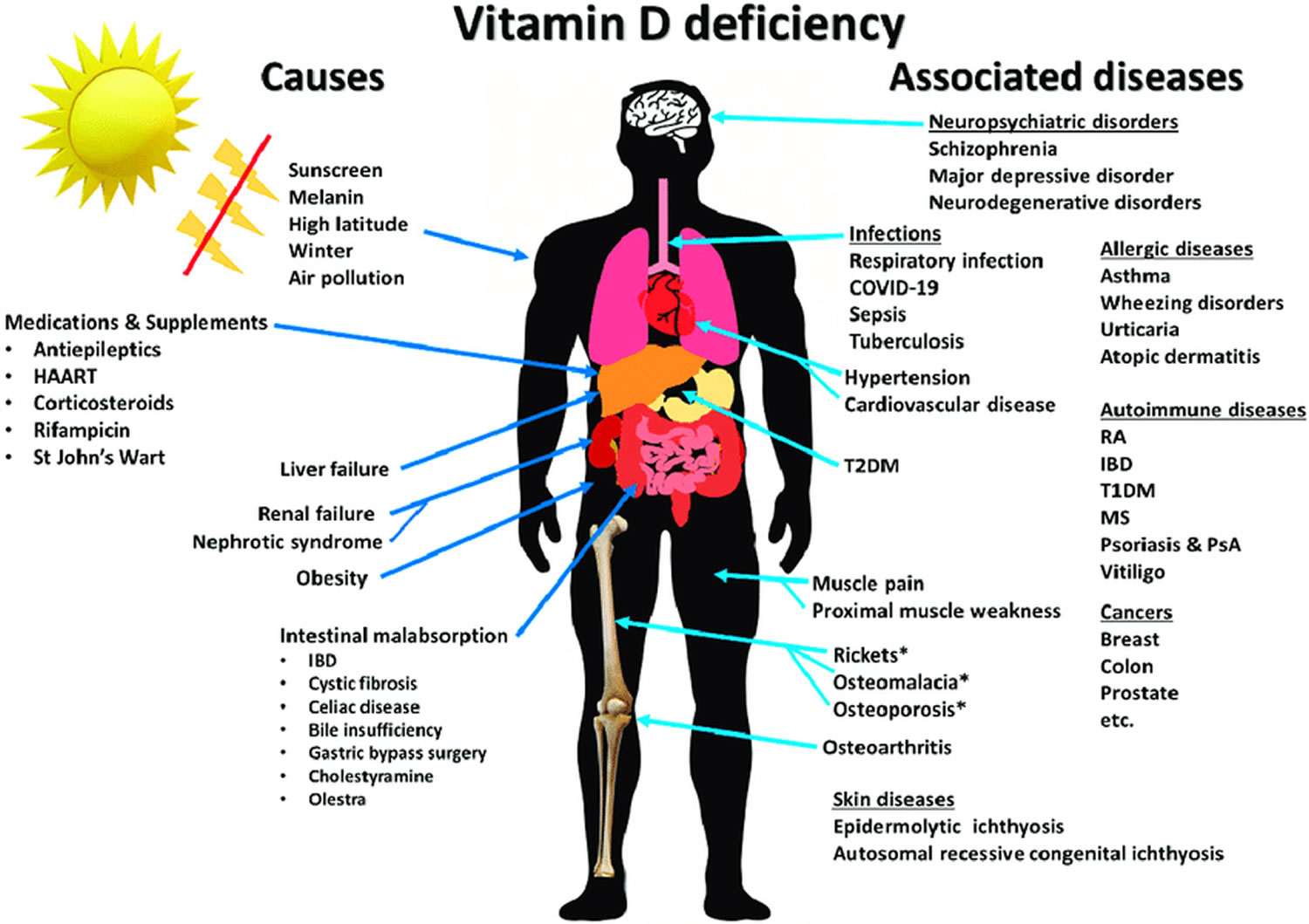
Young adulthood is a perfect storm for under-recognition. Schedules are packed. Indoor time is high. Many people work at desks, study late, and socialize indoors. Even when someone eats well, dietary vitamin D can remain inconsistent. In addition, skin pigmentation, sunscreen use, and geographic latitude influence how much vitamin D the body synthesizes from sunlight.
But the real trap is interpretive. Vitamin D deficiency symptoms are frequently non-specific. They masquerade as ordinary life discomfort. Sleep deprivation can look like low vitamin D. Anxiety can resemble the “mental fog” that deficiency can trigger. Overtraining can resemble the muscular fatigue that deficiency can worsen.
So the deficiency lingers, sometimes for months, sometimes longer, until it finally escalates into more obvious issues such as recurrent infections, bone pain, or fractures. The overlooked symptom, however, tends to arrive first and stays understated—almost as if the body is sending a low-frequency message that nobody turns up.
The Overlooked Symptom: Vague Muscle Weakness and Diffuse Achiness
The most overlooked vitamin D deficiency symptom in young adults is often described as diffuse muscular soreness and a persistent, generalized sense of weakness. It may feel like you’ve “pulled something,” but there’s no clear injury. It may be worse in the morning, yet not dramatic enough to be called stiffness. Sometimes it presents as a dull ache in the hips, thighs, calves, or lower back—areas tied to large muscle groups.
Short sentences matter here: this isn’t always sharp pain. It’s frequently a chronic, low-grade discomfort that seems to move around. One week it’s legs after a normal walk. The next it’s upper back after sitting. Many people chalk it up to posture or stress.
What makes it uniquely forgettable is its ambiguity. You can still function. You can still go to work. You may even exercise, though your body feels less responsive. That “resistance” to exertion—your muscles not cooperating as they used to—is a common clue.
What Vitamin D Actually Does for Muscles and Nerves
Vitamin D is not merely about bones. It participates in neuromuscular function—how nerves communicate with muscles. When vitamin D levels are low, muscle cells may contract less efficiently. The result can be a constellation of sensations: heaviness, soreness, sluggish recovery, and reduced strength endurance.
There’s also an inflammatory undertone. Deficiency can correlate with heightened inflammatory signaling, which may amplify how strongly the body interprets minor strain. In other words, what would have felt like “nothing” can become “why is this lingering?”
Some young adults even describe a walking-on-clouds experience—balance feels less certain, and stairs feel oddly demanding. This can be dismissed as clumsiness. Yet vitamin D deficiency can contribute to decreased muscle performance and poorer postural stability.
How to Tell the Difference from Everyday Fatigue
Not all tiredness is deficiency. The challenge is distinguishing normal variation from a persistent physiological pattern. Consider how symptoms behave over time. Vitamin D deficiency often shows a gradual storyline, not a sudden plot twist. It accumulates.
Look for clusters rather than isolated complaints. Diffuse muscle aches plus reduced strength. Muscle soreness plus slow recovery after activity. Weakness plus low motivation that isn’t explained by sleep alone.
Also note seasonal tendencies. If symptoms worsen in late fall and winter, and ease slightly in sunnier months, that pattern can be a silent signature. And if you rarely get direct sunlight, live indoors, or consistently cover your skin, your body may not be receiving enough UV-driven vitamin D synthesis.
Other Common Symptoms That Often Steal the Spotlight
People frequently recognize symptoms like bone pain or frequent illness, so those get discussed first. However, the overlooked symptom is still foundational. Still, it helps to understand the broader landscape so readers can connect dots.
Vitamin D deficiency can be linked with low mood, irritability, and a “mental mist.” It can contribute to fatigue and decreased energy. Some individuals experience tingling sensations or generalized aches. In more prolonged cases, bone discomfort becomes more prominent, and in rare situations, more severe bone weakening can occur.
Yet these may distract attention from the quieter early sign: muscle weakness and diffuse ache that doesn’t fully resolve with rest.
Who Is at Higher Risk in the Young Adult Years
Risk isn’t limited to older adults. Several factors can make young adults vulnerable. People with darker skin often require more UV exposure to generate comparable vitamin D levels. Those who use sunscreen frequently or avoid sun exposure can experience reduced synthesis. Living at higher latitudes—where sunlight intensity drops—adds another layer.
Dietary patterns also matter. If meals rarely include fortified dairy, fatty fish, egg yolks, or supplements, levels can drift downward. Body composition can influence vitamin D availability because vitamin D can be sequestered in adipose tissue, lowering circulating amounts.
There are also medical and lifestyle factors: malabsorption conditions, certain medications, and consistently low dietary fat intake can impede absorption. In these circumstances, muscle-related symptoms may be more likely to appear subtly and persistently.
When to Seek Testing and What to Ask
If diffuse muscle aches and weakness have become a recurring theme—especially without a clear injury—testing becomes a reasonable step. The most informative evaluation typically involves measuring serum 25-hydroxyvitamin D, often written as 25(OH)D.
Ask a clinician about whether your symptoms match vitamin D deficiency and whether other causes should be considered. Fatigue and muscle pain can also overlap with iron deficiency, thyroid abnormalities, and vitamin B12 deficiency. Testing is how you move from speculation to clarity.
Be prepared to describe timing. How long has it been happening? Is it seasonal? Does it correlate with activity changes? Are there associated symptoms such as low mood, poor sleep, or increased susceptibility to colds? A narrative helps doctors interpret patterns.
Treatment Pathways: From Lifestyle to Supplementation
Treatment usually combines correction and prevention. Sun exposure strategies can be helpful but should be balanced with skin cancer risk. Food-based vitamin D can contribute, though diet alone may not rapidly restore low levels.
Supplementation is often the most direct approach. Doses vary based on deficiency severity, body factors, and clinical guidance. Some regimens are daily; others are periodic. The key is consistency and follow-up testing when recommended, because both under-dosing and over-correcting are undesirable.
It’s also wise to pair supplementation with muscle-friendly habits: gradual strength training, proper hydration, and sleep optimization. Your muscles respond to structure. When vitamin D levels improve, many people notice reduced soreness and better recovery, though timelines differ.
What Readers Can Expect After Improvement
After vitamin D levels rise, symptom trajectories can become clearer. Muscle aches may soften first. Energy may follow. The sense of weakness can lift gradually, sometimes over weeks rather than days.
Short-term changes might include easier warm-up during workouts and less “heavy-leg” fatigue. Longer-term changes can involve improved endurance and steadier balance. Not everyone feels dramatic transformation, but persistent, diffuse discomfort often diminishes.
If symptoms fail to improve after correcting vitamin D, that’s not a dead end. It signals that other factors may be involved. The body is rarely single-cause.
Prevention Strategies That Actually Fit Real Life
Prevention isn’t about chasing perfect sunshine or buying dozens of supplements. It’s about building predictable inputs. Include vitamin D-rich foods when possible. Consider fortified options. If you’re often indoors, ask whether a targeted supplement is appropriate for your situation.
Track your symptoms casually. A simple note in your phone can capture changes in soreness, stamina, and mood. Patterns emerge quickly when you write them down.
Finally, don’t treat every ache as a failure. Sometimes it’s simply your physiology requesting attention. Young adults deserve to listen early—before deficiency becomes a bigger story than it needs to be.