There’s a particular kind of quiet magic happening in a growing child’s body—bones mineralizing, muscles coordinating, immunity rehearsing. And woven into that narrative is an unassuming vitamin: vitamin D. It’s not just about preventing deficiency. When dosage is chosen thoughtfully, vitamin D becomes a compass—guiding calcium absorption, supporting skeletal architecture, and nudging the immune system toward equilibrium. The tricky part is that infants and toddlers are small targets with big physiological stakes. So let’s shift the perspective: instead of asking only “How much is enough?”, we’ll also explore “What does that amount allow the body to do—and what happens if the balance is off?”
Why Vitamin D Matters (Beyond the Sunlight Myth)
For years, vitamin D has been framed as a sun-dependent substance, as if it were merely a response to daylight. That story is partly true, but incomplete. Vitamin D is actually a hormone-like nutrient that acts as a command center for calcium regulation. In infants and toddlers, whose bodies are rapidly building bone, this regulation isn’t optional—it’s foundational.
When vitamin D status is healthy, calcium absorption in the gut tends to become more efficient. Bones then receive the mineral “materials” they need to strengthen and remodel. This process isn’t dramatic like a thunderstorm; it’s more like slow craftsmanship. Day after day, mineralization quietly improves resilience.
But when vitamin D is insufficient, the body still tries to compensate. That compensation can leave growing children vulnerable to weaker bones and, in severe cases, rickets. The uncomfortable irony is that deficiency can arrive without obvious symptoms. So dosage isn’t only a medication question—it’s a foresight question.
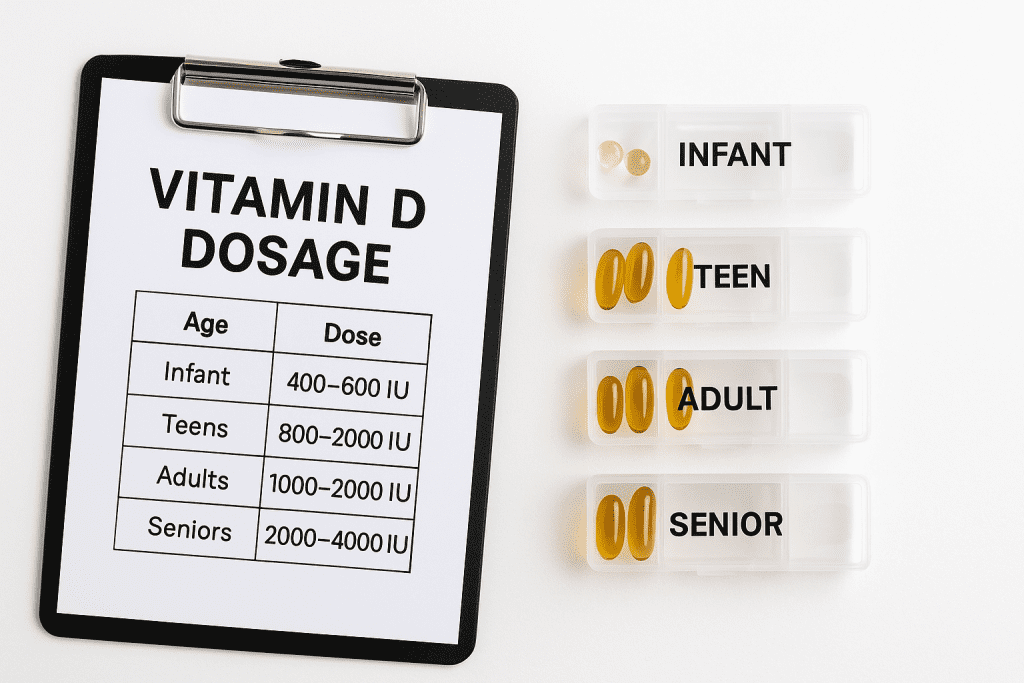
The Target Range: 400 IU to 1000 IU (What It Really Signals)
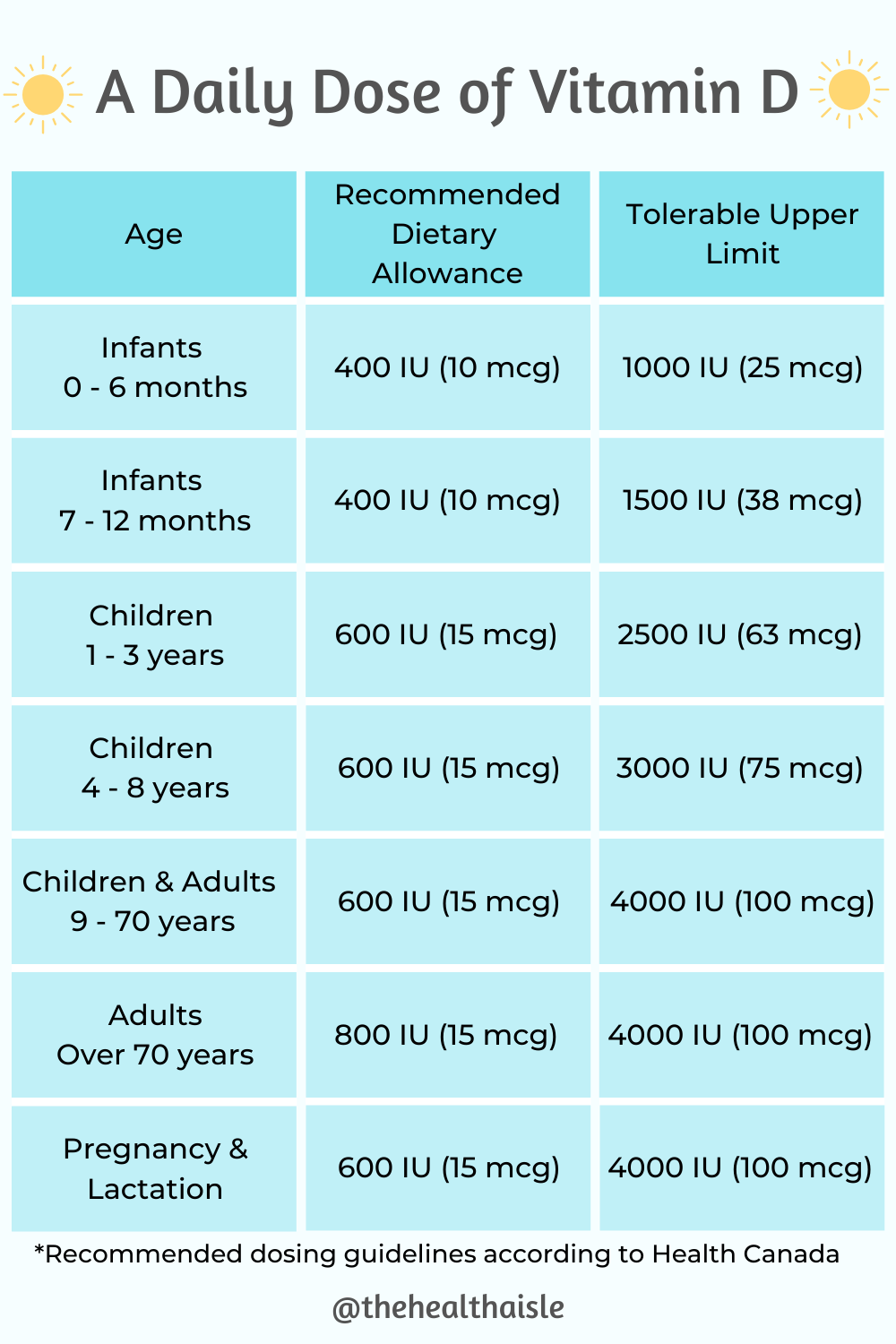
That familiar range—400 IU to 1000 IU—isn’t random. It represents a dosing spectrum used to meet typical needs while accounting for real-world variables: feeding patterns, skin exposure, geography, seasonality, and individual risk.
Think of IU as “energy units” of potency. In this context, 400 IU often functions as a baseline support dose. Higher amounts, such as 800–1000 IU, may be used when circumstances increase risk of low vitamin D status or when guided by clinical context. The underlying principle is simple: the body needs enough vitamin D to keep calcium handling steady.
Yet dosage should never be a one-size ritual. Two toddlers can have the same age and appear identical, while their internal vitamin D circumstances differ markedly. That’s why dosage decisions should consider both biology and lifestyle.
Infants: The First Chapter of Dosage
Infancy is where habits solidify. Many infants—especially those who are exclusively breastfed—may receive less vitamin D from diet alone. That’s because breast milk, while exquisitely tailored for nourishment, typically contains limited vitamin D unless supplementation is addressed. Formula-fed infants may receive vitamin D if the formula is fortified, but the effective intake still depends on volume and preparation.
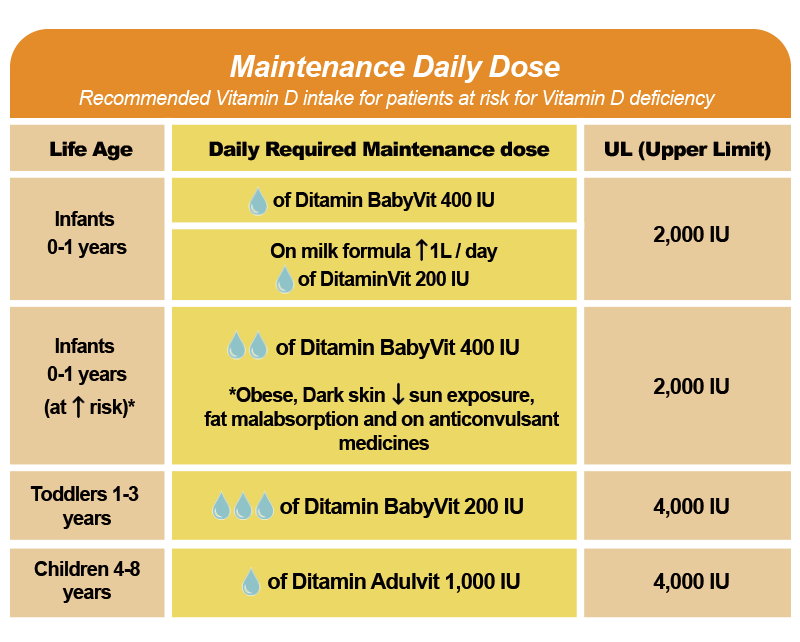
Common practice often uses 400 IU daily for many infants, reflecting a baseline aimed at maintaining adequate blood levels during rapid growth. This is not about “overdoing” something. It’s about preventing the slow onset of insufficiency—before bones start asking for more mineral than the body can efficiently deliver.
Parents sometimes worry about giving a supplement when the child seems perfectly healthy. But “healthy” can be a lagging indicator; vitamin D status is sometimes invisible until it isn’t. A steady dose is like preventive scaffolding: it supports the construction process before flaws appear.
Toddlers: Dosing After Breastfeeding and Beyond
Toddlerhood is a phase of energetic unpredictability—meals become sporadic, outdoor play becomes intermittent, and schedules shift like weather. Diet coverage can vary widely. Some toddlers drink fortified milk or eat vitamin D-containing foods; others prefer a narrower menu. Skin exposure also becomes erratic: some days include sun; others include indoor living.
That’s where dosing expectations often broaden. Many toddlers continue on 400 IU daily if risk is low and dietary intake is likely supportive. However, in certain situations—limited sun exposure, darker skin pigmentation, winter season, higher body weight, or inadequate dietary intake—clinicians may recommend doses closer to 800–1000 IU.
The shift in perspective is subtle: dosage isn’t merely “for bones.” It’s also for the immune and metabolic choreography that calcium-dependent pathways influence. Vitamin D participates in more than one storyline at once.
Risk Factors That Change the Equation
Not every child’s needs map neatly to age alone. Several factors can tilt the balance toward deficiency, prompting consideration of higher supplemental doses within the typical clinical range.
Season and geography matter. Less UVB radiation in winter and higher latitudes can reduce natural vitamin D synthesis. Skin tone matters too; higher melanin can lower vitamin D production from sunlight. Sun avoidance—often a protective choice—can further reduce UVB exposure. Exclusive breastfeeding without supplemental vitamin D is another common factor. Additionally, children with certain medical conditions affecting absorption may require tailored dosing.
These factors don’t imply alarm. They suggest calibration. The goal is not maximal vitamin D—it’s adequate vitamin D, efficiently supporting calcium absorption and bone mineralization.
How to Choose the Right Dose (A Practical, Curiosity-Driven Approach)
Instead of treating vitamin D dosing as a simple checkbox, treat it as a small diagnostic conversation. What does the child eat? How often do they spend time outdoors? Which season are you in? Are there risk factors? How is the supplement administered—does the child accept it reliably?
For many families, the starting point is a baseline dose like 400 IU daily. If dietary intake is limited or risk factors are present, clinicians may consider moving toward 800–1000 IU. The transition should be gradual in mindset: not “increase because we can,” but “increase because the situation requires it.”
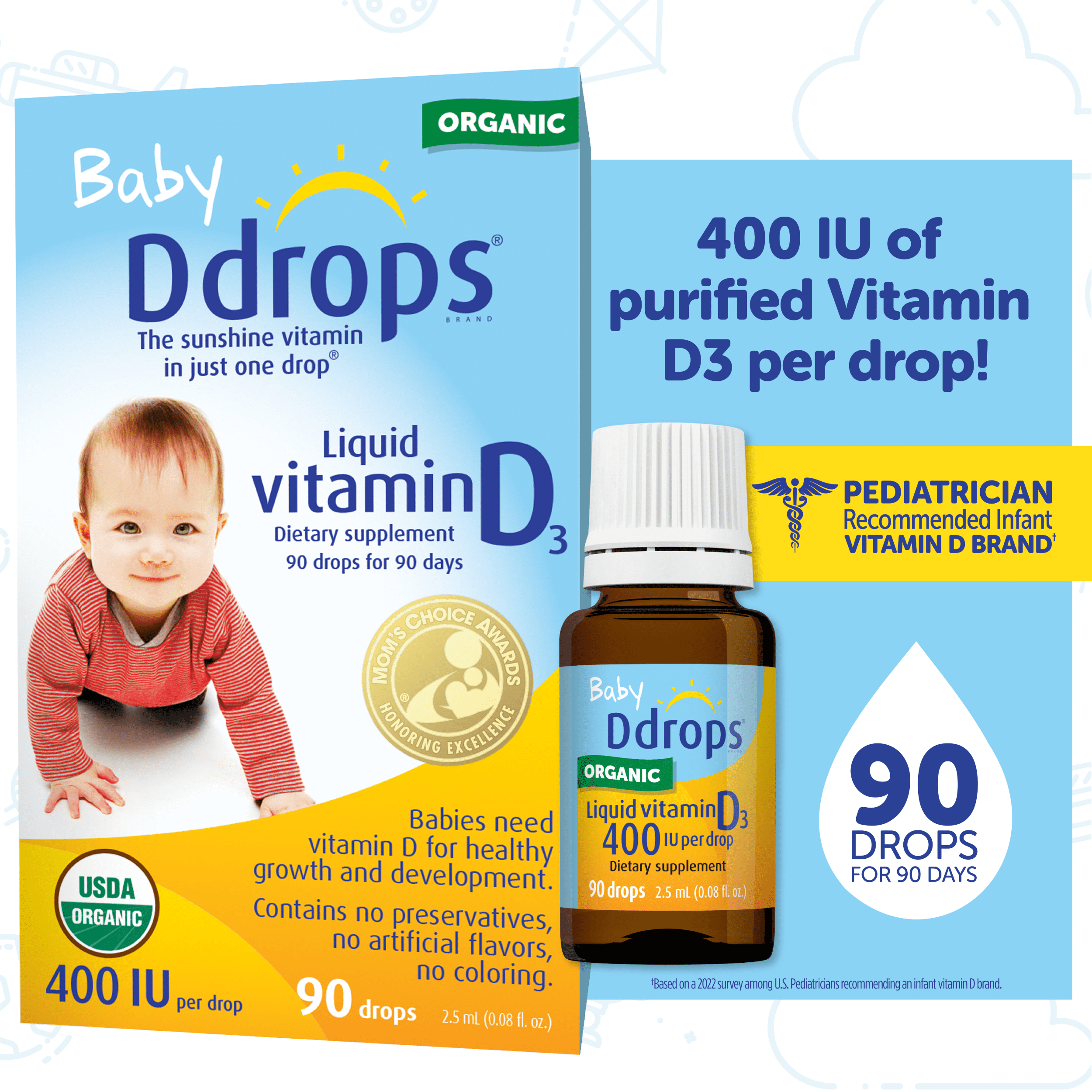
Another useful question: what form is being used? Drops are common for infants. Some products offer different concentrations, meaning the volume given may vary. Dosage accuracy is often more important than brand preference.
Signs of Too Little (and Why They Can Be Sneaky)
Vitamin D deficiency can be oddly quiet. Some children show minimal symptoms until bone health is affected. Potential signs may include delayed growth, bone pain, muscle weakness, irritability, or delayed milestones. In more severe deficiency, rickets can develop, sometimes visible as skeletal changes.
However, many symptoms overlap with other pediatric issues. That’s why symptoms alone shouldn’t guide dosing decisions. The smarter approach is prevention and, when appropriate, laboratory evaluation. In other words: curiosity should lead to measurement when uncertainty persists.
Too Much: The Overshooting Zone and Why Caution Matters
Vitamin D is fat-soluble, meaning excess can accumulate. This is where caution becomes an ally. Over-supplementation may cause high calcium levels, leading to symptoms such as nausea, constipation, excessive thirst, frequent urination, and—if severe—kidney-related concerns.
The lesson isn’t “avoid vitamin D.” It’s “avoid improvisation.” Don’t combine multiple vitamin D sources unknowingly. Check total intake from drops, fortified dairy or formula, and multivitamins. A dosing plan is like a map; every supplement is another route that must be accounted for.
Supplement Types: Drops, Fortified Foods, and the Art of Consistency
Vitamin D intake often comes from a blend of sources. Supplements provide targeted dosing, while fortified foods may contribute additional intake. Formula (when fortified) can be a meaningful contributor for infants who use it regularly.
Consistency matters. A missed day here and there usually isn’t catastrophic, but erratic administration can make dose planning less reliable. For infants and toddlers, a caregiver-friendly regimen tends to outperform a complicated one. If a child struggles with drops, talk through alternatives with a pediatric professional rather than doubling efforts in an unstructured way.
When to Reassess: Growth Spurts, Illness, and Seasonal Swaps
Reassessment isn’t failure; it’s stewardship. Growth spurts can shift nutritional needs. Illness may affect appetite and intake. Seasonal changes can influence sun exposure. A toddler who plays outdoors daily in summer may become a mostly-indoor child during winter.
If vitamin D dosing feels static while the child’s environment changes, it’s time to ask whether the dose still fits. Some families benefit from routine check-ins, especially if risk factors exist or if intake from diet is inconsistent.
Administering Vitamin D Safely: A Caregiver Checklist
Before giving vitamin D, verify the concentration on the label. Many drops vary in how many IU are in each mL or drop. Use the measuring device included with the product when possible. Store supplements according to instructions, and keep them out of reach.
Also consider cumulative intake. A child receiving vitamin D drops plus a multivitamin plus fortified milk may unintentionally exceed intended totals. Thoughtful record-keeping—simple notes or a calendar—can prevent dosage drift.
A Final Perspective: Dosage as Prevention, Not Panic
Vitamin D dosage for infants and toddlers doesn’t have to feel like a high-stakes gamble. With a thoughtful approach—considering age, diet, sun exposure, and risk—supplementation becomes a calm, proactive ritual.
From 400 IU as a common baseline to 800–1000 IU when circumstances suggest higher needs, the range is best understood as dynamic support. It’s not merely a number. It’s a promise that the body has what it needs to build, maintain, and adapt.
And if there’s one curiosity to carry forward, it’s this: when you choose the right vitamin D dose, you aren’t just correcting a nutrient gap. You’re strengthening the scaffolding of growth itself.