Some muscle aches feel like they “belong” to ordinary wear and tear—until they don’t. You change your routine, hydrate more carefully, stretch longer, and still the weakness persists. In the background of many such stories is an overlooked player: vitamin D. Far more than a sunshine statistic, vitamin D participates in the physiology of muscle function, strength, and even how gracefully your body navigates balance and falls. Understanding the link between vitamin D and muscle weakness can turn confusion into clarity, and it can guide better decisions about prevention, testing, and care.
Vitamin D’s Role in Muscles: More Than Bone-Centered Biology
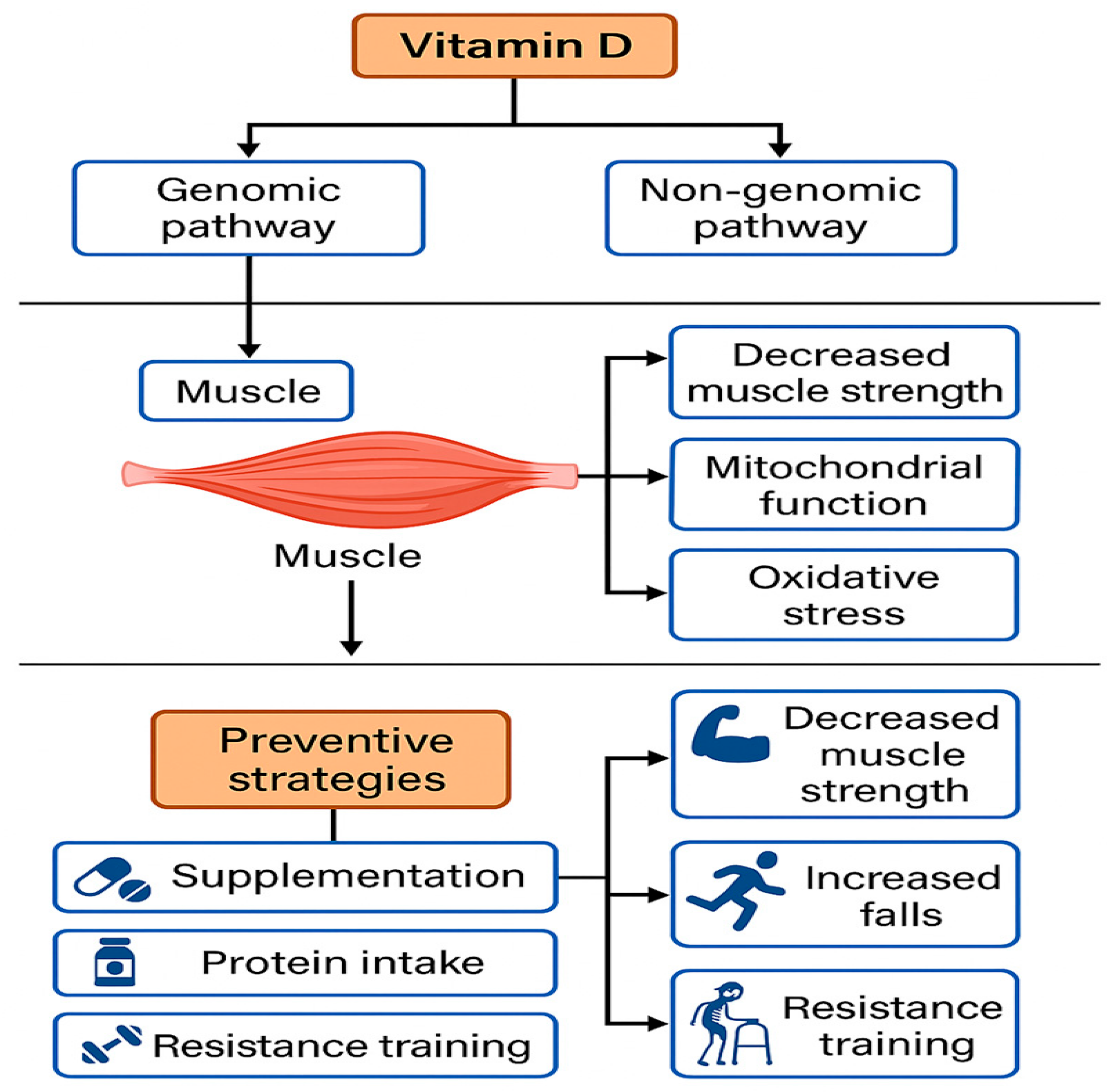
Vitamin D is often introduced as a bone-support molecule, but its influence extends well beyond the skeleton. Muscle tissue contains vitamin D receptors, and these receptors act like molecular “listening posts,” responding to available vitamin D by shaping how muscles generate force. When vitamin D levels are low, muscles may become less efficient at contraction, and the body can struggle to coordinate strength during everyday tasks—standing from a chair, climbing stairs, lifting groceries, or simply maintaining an upright posture.
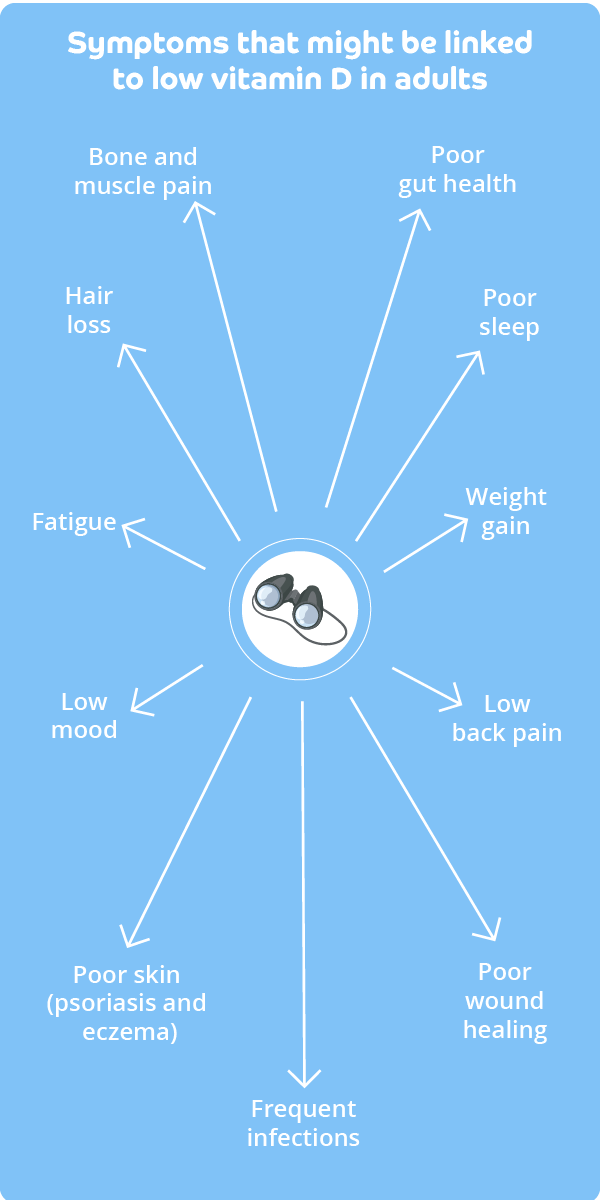
The effect can be subtle at first: a mild loss of stamina, lingering fatigue after mild exertion, or a feeling that the legs are slower to “wake up.” Over time, weakness can become more noticeable, sometimes paired with aches or a generalized sense of heaviness. This isn’t merely discomfort; it reflects a change in how muscle cells manage energy and signaling pathways.
In practical terms, vitamin D supports muscular function through regulation of calcium handling and neuromuscular performance. Calcium is not just a “bone mineral”—it is a key messenger in muscle contraction. When vitamin D is insufficient, the choreography of calcium movement can become less precise, and muscle fibers may respond less robustly.
What Muscle Weakness Feels Like When Vitamin D Is Low
Muscle weakness related to vitamin D deficiency can be both diffuse and disproportionate. Diffuse, because it may show up in multiple muscle groups rather than a single injured area. Disproportionate, because weakness can outlast typical soreness patterns. Some people describe a slow-onset impairment rather than a sudden event.
Common patterns include:
Proximal weakness: Trouble with muscles closer to the body’s center, such as hips and thighs. Getting up from the floor or rising from a seated position may feel unusually difficult.
Exercise intolerance: Workouts feel harder than they “should,” with reduced endurance and a slower recovery curve.
Stiffness or discomfort: Achiness may accompany weakness, sometimes mistaken for strain, aging, or inflammatory conditions.
Balance vulnerability: Dizziness is not required for falls; weakness and altered neuromuscular control can increase risk even without classic vertigo.
Because symptoms can overlap with many other conditions, the story matters: a pattern of weakness that gradually accumulates, especially when sunlight exposure is limited, can be a meaningful clue.
Who Is Most at Risk for Vitamin D Deficiency?
Vitamin D synthesis depends heavily on sunlight exposure, skin physiology, and dietary intake. That means deficiency risk isn’t evenly distributed. Certain lifestyles and biological factors reduce the amount of vitamin D the body can produce or absorb.
Risk factors often include:
Limited sun exposure: Indoor occupations, heavy sunscreen use without sufficient time for safe synthesis, or living in regions with long winters.
Darker skin pigmentation: Higher melanin can reduce cutaneous vitamin D production, increasing the likelihood of lower baseline levels.
Older age: Aging can reduce the skin’s ability to synthesize vitamin D efficiently.
Body composition: Vitamin D can become “sequestered” in adipose tissue, lowering its bioavailability for circulation.
Malabsorption conditions: Gastrointestinal disorders, bariatric surgery history, or chronic fat-malabsorption can interfere with uptake.
Certain medications: Some anticonvulsants and glucocorticoids can alter vitamin D metabolism.
Even with a healthy lifestyle, risk can still exist. Sometimes the body needs more than good intentions—it needs measurable support.
Muscle Damage vs. Muscle Weakness: How the Picture Changes
Muscle weakness from vitamin D deficiency is not always identical to structural injury. In some cases, the underlying issue resembles a functional decline—muscles simply don’t generate force as effectively. In other scenarios, severe deficiency can contribute to impaired mineralization processes that involve muscle and bone interplay.
That distinction matters. If weakness is accompanied by persistent, escalating pain, marked loss of function, or neurological symptoms like numbness, clinicians often consider broader differential diagnoses. Vitamin D deficiency can be a primary driver, but it can also be one piece of a larger puzzle.
A helpful way to think about it: deficiency-related weakness tends to improve when the nutrient status is corrected, whereas many injury-driven causes follow a different recovery pattern. Still, it’s essential to avoid self-diagnosis and to interpret symptoms within a clinical context.
The Balance and Falls Connection: Stability Is a Muscle Story
Strong muscles don’t just lift weight; they stabilize movement. Vitamin D deficiency can influence balance through neuromuscular performance, reaction timing, and overall muscle function. As strength wanes—especially in the legs—your center of gravity becomes harder to manage.
This can create a cascade. Slight instability may lead to cautious gait changes. Those gait changes, in turn, can place new strain on the hips, knees, and lower back. Over time, the body may adopt protective movement strategies that inadvertently reduce confidence and increase fall risk.
In older adults, fall prevention often involves multiple layers: vision checks, home safety improvements, strength and balance training, and sometimes nutritional correction. When vitamin D deficiency is present, addressing it can support the broader rehabilitation framework.

How Low Vitamin D Affects Different Muscle Groups
Not all muscles suffer equally. People often notice weakness in the proximal muscles—thighs and hips—because these are crucial for rising, climbing, and maintaining postural alignment. When they weaken, daily tasks become disproportionately challenging.
However, muscle influence isn’t limited to the legs. Some individuals report generalized fatigue, discomfort, or a “worn-out” feeling in multiple regions. The reason is systemic participation: vitamin D supports cellular signaling and energy regulation across muscle compartments.
That’s why a deficiency may feel like a whole-body shift rather than a localized problem. Even if the legs seem most affected, the underlying biochemical contribution can be more widespread than the symptoms suggest.
Common Co-Occurring Symptoms: When Weakness Comes With Other Clues
Muscle weakness rarely lives alone. Vitamin D deficiency can co-occur with symptoms that are easy to overlook or attribute to stress. Some people also experience:
Persistent fatigue: Not just tiredness after activity, but an ongoing lack of stamina.
Body aches: A dull, persistent ache that resembles “flu-like” discomfort without the infection.
Reduced mood resilience: Mood changes can accompany nutritional insufficiency, though mood has many causes.
Higher susceptibility to illness: Vitamin D plays a role in immune modulation, and deficiency may affect baseline resilience.
These clues are not diagnostic by themselves. Yet together they can help interpret the pattern. If weakness is persistent and there’s a constellation of other symptoms—especially alongside low sun exposure or limited dietary sources—testing can become a rational next step.
Testing and Interpreting Results: The Practical Next Step
When muscle weakness raises the question of vitamin D status, a blood test typically provides the clearest direction. The commonly measured form is 25-hydroxyvitamin D, which reflects overall vitamin D availability. Clinicians interpret results by considering symptoms, risk factors, medical history, and sometimes the presence of other laboratory indicators.
It’s also important to remember that “normal” ranges can vary by laboratory and clinical guideline. What matters most is whether the result aligns with symptoms and risk context. A borderline number might still be relevant for someone with clear deficiency risk factors and muscle complaints.
Interpretation can extend beyond vitamin D alone. Calcium levels, kidney function, and markers of bone metabolism can influence management choices. Sometimes deficiency is a sign of absorption trouble rather than simple underexposure.
Treatment Pathways: Supplementation, Food, and Time
Correcting vitamin D deficiency often involves a combination of strategies. Supplementation is frequently used because it can reliably raise serum levels. Dosage is individualized; it depends on baseline deficiency, body weight, absorption capacity, and the clinician’s target range.
Diet can support the process, though it may be insufficient by itself. Sources include fatty fish and fortified foods. Still, diet tends to be a supporting actor rather than the main intervention when levels are substantially low.
Time matters. Muscle-related improvements may take weeks to months. Some people notice changes early, such as less fatigue during normal activities. Others experience gradual functional gains—better stair climbing, fewer “dead leg” moments, and improved confidence with balance.
Because high vitamin D levels can be harmful, supplementation should be guided rather than guessed. An evidence-based approach protects the body from both insufficiency and excess.
When to Seek Care Promptly
Weakness should never be ignored when it is rapidly progressive or accompanied by red-flag features. Consider urgent evaluation if weakness is sudden, associated with severe pain, accompanied by trouble breathing or swallowing, or linked to neurological signs such as numbness, severe coordination problems, or new vision changes.
Also seek clinical input if weakness persists despite appropriate correction attempts, or if there is a history of conditions that affect absorption. Persistent symptoms may indicate another underlying cause—such as endocrine disorders, inflammatory myopathies, medication-related muscle effects, or metabolic issues.
A careful clinician can connect the dots, not just between vitamin D and weakness, but between weakness and everything that could be contributing.
Prevention: Building a Sustainable Muscle-Support Strategy
Prevention is not only about chasing sunshine. It’s about building a durable routine that includes safe sun exposure, nutrient intake, and strength maintenance. Resistance training and balance exercises support muscle mass and neuromuscular control, making the body more resistant to functional decline.
Some readers benefit from adopting a “check-in” mindset—periodic reassessment of vitamin D status for those with high risk factors. Others focus on food quality and movement habits. The unifying theme is consistency: the body prefers steady inputs to sporadic corrections.
When vitamin D deficiency contributes to weakness, addressing it can restore more than a lab value. It can restore capability—how easily you rise, how confidently you walk, and how comfortably your muscles carry you through a day that demands strength.