Your hair is more than a strand; it’s a living timeline of growth, density, and resilience. When thickness fades—whether from seasonal shedding, stress-induced dysregulation, or gradual thinning—the body’s micronutrient orchestra becomes difficult to ignore. Among the cast of essential nutrients, Vitamin D3 (cholecalciferol) stands out for its connections to follicular cycling, immune modulation, and the cellular choreography that supports robust hair shafts. This guide explores the best Vitamin D3 supplements for hair thickness, how to choose wisely, what to expect, and which content types readers can anticipate—from evidence-minded breakdowns to practical routines.
Why Vitamin D3 Matters for Hair Thickness
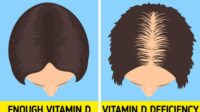
Hair thickness is not merely “more hair.” It’s diameter, growth phase balance, and the health of the follicle microenvironment. Vitamin D receptors are present in hair follicles, suggesting that Vitamin D3 participates in keratinocyte behavior and follicle signaling. In plain terms: when Vitamin D3 is insufficient, the follicle can become less efficient at producing hair that’s dense and well-structured.
Vitamin D3 also plays a role in immune regulation. Since conditions like alopecia involve immune miscommunication, adequate Vitamin D3 may help the body maintain a more stable inflammatory tone. The result can feel subtle at first—less diffuse shedding, steadier regrowth, improved “feel”—then gradually more noticeable as cycles progress.
Finally, there’s the cyclical nature of hair. Hair doesn’t respond instantly. Supplements work on timelines measured in months, not days. If expectations are calibrated correctly, the improvement can feel like a slow, deliberate restoration rather than an abrupt cosmetic change.
What “Best” Means: Criteria That Actually Matter
The best Vitamin D3 supplement for hair thickness isn’t necessarily the highest dose. “Best” means matching the product to the reader’s biology and routine. Several criteria consistently separate effective options from merely popular ones.
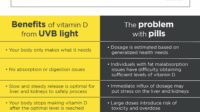
Form quality matters. Look for Vitamin D3 (not D2) because it tends to integrate more effectively into human physiology. Bioavailability matters too—especially if you’re sensitive to fat-soluble nutrient absorption. Vitamin D3 is fat-soluble, so formulations that support intestinal uptake can be advantageous.
Dosage clarity is another non-negotiable. A transparent label—stating the exact amount per serving in IU—reduces guesswork. Third-party testing improves confidence. Supplements aren’t regulated like pharmaceuticals; testing helps confirm purity and label accuracy.
Finally, consider how the supplement fits your life. Tablets are tidy, softgels are often easier to swallow, drops can be flexible, and gummies can appeal to those who dislike pills—though gummies may contain added sugars or lower potency per serving.
Types of Vitamin D3 Supplements (And Who Each One Fits)
Readers will encounter a spectrum of Vitamin D3 formats. Each has distinct advantages, and the “best” choice can hinge on tolerability, absorption preferences, and lifestyle.
Softgels and Capsules: The Reliable Workhorse
Softgels and capsules are the classic option. Many people choose them because they’re consistent, measured, and easy to store. If you take Vitamin D3 with a meal containing healthy fats, softgels often perform well due to the nutrient’s fat-soluble nature.
For readers focused on hair thickness goals, capsules can be straightforward: pick a tested product, select an appropriate IU level, and build consistency into your routine.

Liquid Drops: Fine-Tuned Dosing for Sensitive Schedules
Liquid Vitamin D3 is ideal for readers who dislike pills or who want incremental dosing. Drops can be useful if you’re transitioning from a higher dose toward maintenance, or if you’re coordinating with lab results.
Some formulations include carrier oils to support absorption. This can be beneficial for people who struggle with digestion or nutrient uptake. The key is to choose a product with a clear labeling system and a flavor profile you can tolerate long-term—because adherence matters more than perfection.
Gummies: A Habit Builder (With Trade-Offs)
Gummies are frequently adopted by readers who want a “daily ritual.” Their texture and taste reduce friction, which can improve adherence. However, gummies may contain added sugar and sometimes deliver fewer IU per piece compared to capsules or softgels.
For hair thickness goals, gummies can work, but it’s wise to check the IU per serving and ensure it aligns with your needs. If your dose requires multiple gummies daily, you may also be adding unnecessary calories or ingredients.
Sprays and Chewables: Convenience with Mixed Variables
Sprays and chewables are convenient for travel and for readers who want quick intake. Their absorption can vary by formulation, and some people prefer the certainty of measured softgels or drops.
If using these forms, pair them with mindful consistency—timing, routine meals, and monitoring how you feel over time. Hair is slow to change, but your routine should never be ambiguous.
How Much Vitamin D3 Should You Take for Hair Thickness?
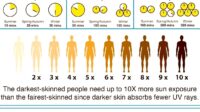
There isn’t a one-size number that fits every scalp. Your optimal dose depends on baseline Vitamin D levels, sun exposure, skin tone, geography, and even body composition. The most responsible approach is to check a blood test for 25(OH)D. That result can guide whether you need a replenishment phase or a maintenance dose.
Many people start conservatively and adjust. Others—especially those with confirmed deficiency—may require a short-term higher dose under professional guidance. The goal is to reach sufficiency without overshooting, because excessive Vitamin D can contribute to unwanted calcium imbalance.
For readers seeking thickness, the best dose is the dose that normalizes your Vitamin D status and supports consistent hair follicle conditions over several hair cycles.
Timing, Pairing, and Absorption: Make the Supplement Count
Because Vitamin D3 is fat-soluble, taking it with a meal can improve absorption. Meals containing healthy fats—like olive oil, avocado, nuts, or eggs—often support better uptake than an empty stomach routine.
Some readers also ask about pairing with other hair-supporting nutrients. Vitamin D3 complements zinc, iron (when deficient), omega-3 fatty acids, and protein adequacy. Yet supplementation stacking should be deliberate. Too many uncoordinated products can obscure which change is actually helping.
A smart routine is a calm routine. Choose a consistent time—morning or evening—and stick with it. Hair follicles appreciate predictability.
What to Expect: Realistic Timelines for Hair Thickness
Hair is a biological calendar. Many people notice reduced shedding within a few weeks if deficiency is the driver. However, thickness improvements—especially visible changes in density—often take longer.
Think in phases: early stabilization, mid-cycle regrowth, and then true thickening as shafts mature. If you’re tracking progress, observe changes in part width, overall density, and hair texture. Progress tends to appear gradually, like a dimmer switch turning up rather than a light flicking on.
Also remember that hair can respond to multiple influences at once. Stress, sleep quality, thyroid function, and haircare practices all interact. Vitamin D3 may be a key piece, but it’s rarely the only piece.
Safety Notes: Avoiding Common Supplement Pitfalls
Vitamin D3 is widely used, but it still deserves respect. Avoid guessing dosages based on online anecdotes. If you have kidney disease, a history of high calcium, or conditions affecting calcium metabolism, consult a clinician before supplementing.
Check for interactions if you take certain medications (for example, some treatments that influence calcium balance). And always verify product labeling. Reliable supplements provide exact IU amounts and transparent serving guidance.
If you experience symptoms like unusual thirst, frequent urination, or persistent nausea, stop and seek medical advice. Those signs aren’t typical for healthy Vitamin D3 use.
How Readers Can Choose the Right Product: A Practical Checklist
When selecting a Vitamin D3 supplement for hair thickness, readers can expect a structured decision process. Use this checklist to narrow options quickly.
1) Confirm it’s Vitamin D3 (cholecalciferol).
2) Look for clear IU labeling per serving.
3) Prefer third-party testing for purity and potency.
4) Choose a format that matches your absorption routine (especially with meals).
5) Decide on dose with lab results when possible.
6) Keep the routine consistent for at least several months.
This approach turns “buying a supplement” into “building a hair-support strategy.”
Conclusion: The Most Effective Strategy Starts with Consistency
The best Vitamin D3 supplement for hair thickness is the one that restores sufficiency, supports absorption, and fits seamlessly into daily life. Softgels, drops, gummies, and sprays can all play a role, but the winning variable is consistency—paired with appropriate dosing and realistic timelines.
If Vitamin D3 is part of your micronutrient foundation, it can help hair follicles operate with greater steadiness and resilience. Thickness doesn’t happen overnight. Still, with the right supplement and a disciplined routine, the path toward fuller-looking hair can become not just possible, but probable.