Vitamin D has long lived in the borderland between biology and prevention. Its familiar role in bone health is only the beginning. In recent years, a more nuanced question has taken center stage: what vitamin D status corresponds to the lowest risk of cancer? The answer is rarely a single number. It is a range—shaped by tumor biology, study design, baseline health, sunlight behavior, and even laboratory variability. Still, patterns have emerged, and readers now have a clearer map of what “optimal” may mean in the real world.
Why “optimal” vitamin D is best understood as a range
When people search for the best vitamin D level, they often expect a tidy threshold. Biology, however, is seldom tidy. Vitamin D is measured as 25-hydroxyvitamin D [25(OH)D], a circulating metabolite that reflects both sunlight exposure and dietary intake. Cancer risk—unlike a simple yes/no medical endpoint—tends to move along a gradient. That creates a compelling rationale for thinking in intervals rather than absolutes.
Researchers also note that vitamin D functions like a molecular choreographer. It influences gene transcription, cell differentiation, immune surveillance, inflammation signaling, and apoptosis pathways. These processes do not switch on at exactly one concentration. Instead, they unfold gradually. As a result, the “optimal range” is often defined by the region where risk appears to be lowest across populations.
Common targets used in clinical and observational research
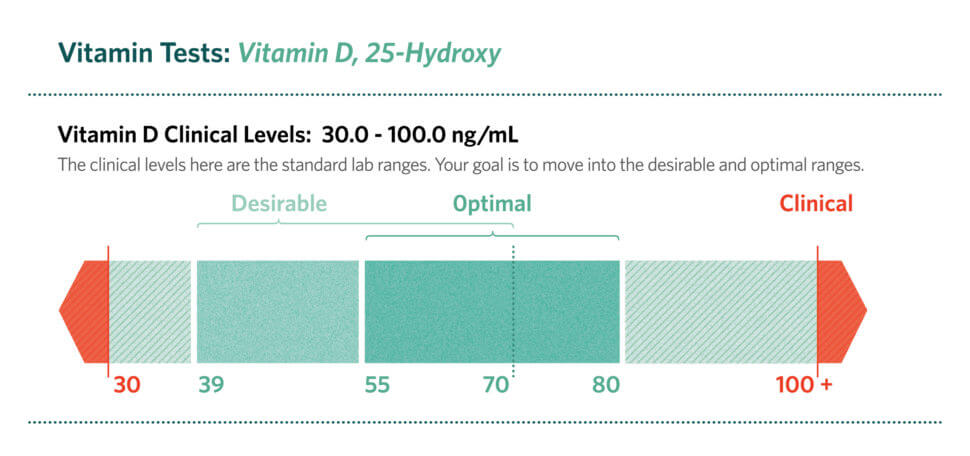
Across studies, the most frequently discussed ranges often center around vitamin D sufficiency and a “higher-than-minimum” band. Many clinical guidelines aim to prevent deficiency and support skeletal health. Prevention-focused research sometimes explores whether staying at a higher 25(OH)D level offers additional protection—particularly for cancers in which immune modulation and cell cycle regulation may matter.
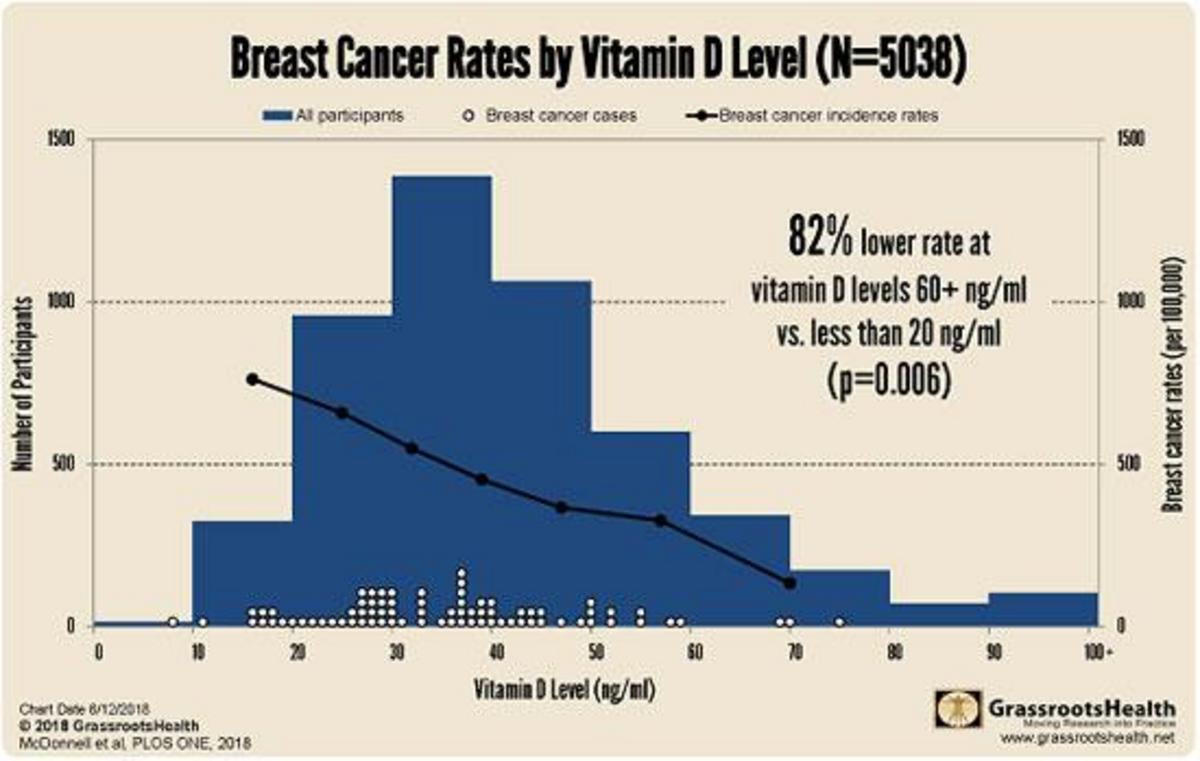
In practical terms, many findings cluster around a vitamin D status that looks like sufficiency (commonly considered roughly 30 ng/mL or 75 nmol/L) and extends into higher territory (often around 40–60 ng/mL, or 100–150 nmol/L) depending on the population. Some research suggests diminishing returns beyond a certain point, implying a plateau: risk reduction may taper even if vitamin D rises further. That plateau idea is important. It suggests that “more” is not always “better,” and it nudges clinicians toward individualized targets rather than blanket megadosing.
How cancer type changes the picture
Cancer is not one disease. Each type has distinct growth kinetics, microenvironmental conditions, hormonal dependencies, and immune interactions. Vitamin D’s influence on these variables may vary, so studies sometimes find different effect sizes—or even inconsistent directions—depending on the cancer subtype.
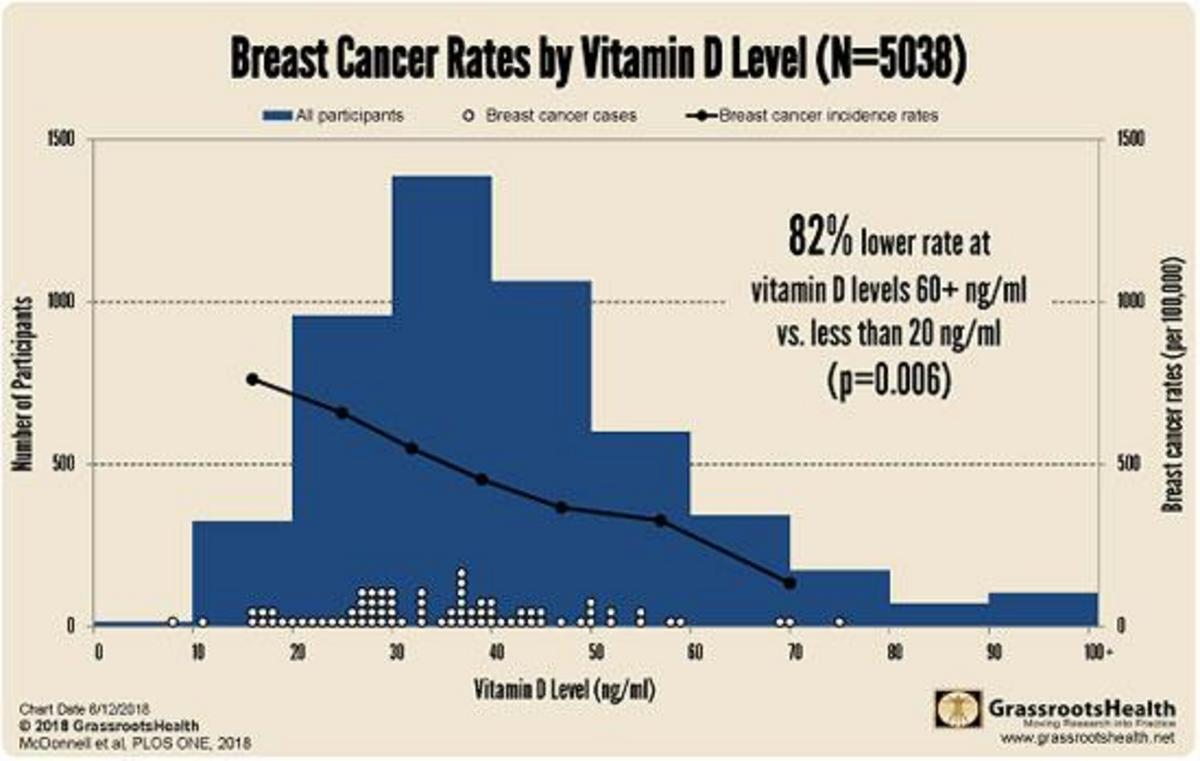
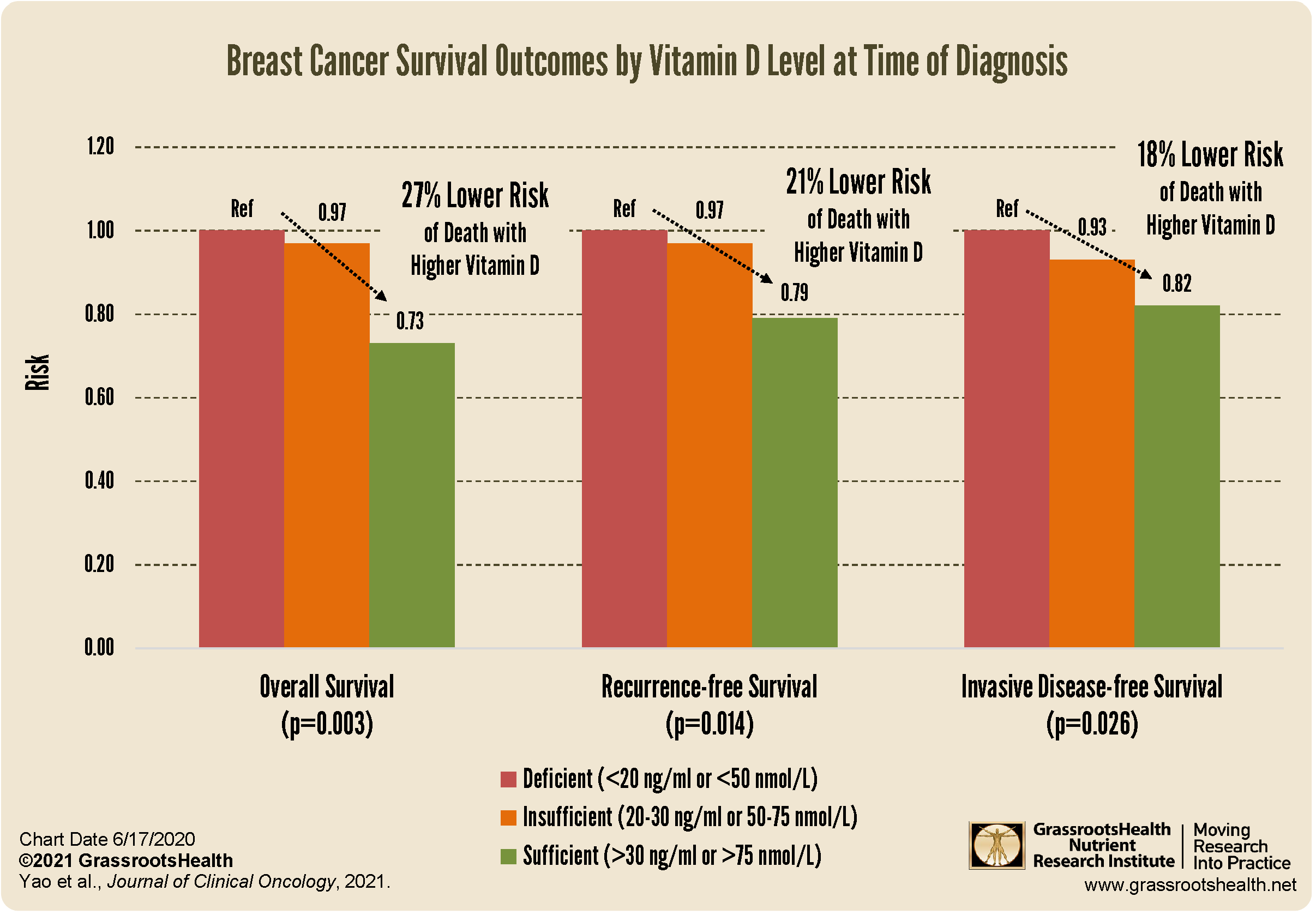
For breast cancer, several analyses have examined whether higher pre-diagnosis vitamin D status corresponds to lower incidence or improved outcomes. In many datasets, the strongest associations appear in comparison groups where vitamin D is clearly low versus clearly adequate. For other cancers, the story can be more complicated due to confounding factors such as body mass index, geographic latitude, supplement use patterns, and screening intensity.
Even within one cancer type, receptor status can matter. A tumor’s hormonal responsiveness, inflammatory phenotype, and metabolic traits may all intersect with vitamin D-related pathways. So, “optimal range” is best read as a probability-based target that may help more for some malignancies than others.
What study designs reveal—and what they cannot
To understand the “optimal range,” it helps to recognize what different study designs can and cannot do. Observational studies can detect associations between vitamin D levels and cancer outcomes. They are useful for spotting patterns, but they cannot fully eliminate confounding. People who maintain higher vitamin D often also engage in healthier behaviors: diet quality, outdoor activity, better metabolic health, and more consistent medical follow-up. These factors can blur causality.
Randomized controlled trials (RCTs) reduce confounding by assigning vitamin D dose. Yet RCTs may show smaller or mixed effects because of timing and dosing constraints. If a trial begins after years of tumor initiation, vitamin D might not reverse established carcinogenic processes. Additionally, many trials deliver fixed doses without adapting to baseline deficiency or individual absorption differences.
That is why the most credible conclusions often emerge when evidence lines up across methods. When observational trends align with mechanistic plausibility—and when RCTs show consistent benefits in subgroups with meaningful baseline deficiency—the case for a particular range becomes stronger.
Baseline deficiency: the “starting line” matters
One of the most important insights from prevention research is that the starting point changes everything. A person with profound deficiency may have greater room for biologic correction than someone already near sufficiency. In this framework, supplementation acts like recalibration.
If vitamin D directly influences immune competence and cellular regulation, then deficiency states may represent a higher-risk biological environment. Correcting that environment could reduce downstream risk. However, if an individual is already replete, supplementation may provide limited incremental advantage.
This is one reason effect sizes vary. Many “negative” trials included participants who were not severely deficient at baseline, and many doses may have been too modest to reach the range believed to be protective. For cancer prevention, the question is not only whether vitamin D helps, but also whether it reaches a relevant concentration in the body for a sufficient duration.
The immune-epigenetic bridge: how vitamin D may act
Mechanistically, vitamin D influences immune signaling with a finesse that is difficult to overstate. It shapes innate responses, modulates adaptive immunity, and encourages a balanced inflammatory profile. Chronic inflammation is a known accelerator of carcinogenesis, acting like warm air that keeps biological processes in overdrive.
Vitamin D also interacts with gene regulation pathways, including epigenetic mechanisms. Epigenetics changes gene expression without altering DNA sequence—meaning it can affect cell identity and behavior in long-lasting ways. This aligns with the prevention concept: vitamin D might alter the trajectory before malignancy becomes established.
Another pathway involves differentiation and cell-cycle control. If vitamin D nudges cells away from uncontrolled proliferation, that could translate into reduced risk—particularly in tissues exposed to continuous growth stimuli.
Evidence signals for supplementation: prevention versus progression
Readers often assume prevention studies always focus on “never getting cancer.” Reality is more textured. Many datasets combine incidence and progression outcomes. Some analyses examine cancer occurrence, while others examine mortality or recurrence after diagnosis.
Vitamin D might have different relevance at different stages. For prevention, the focus is on early biological shifts—immune readiness, inflammatory dampening, and regulation of cell growth. For progression, vitamin D might influence tumor microenvironment dynamics or systemic metabolic health. That difference can lead to conflicting results if studies mix endpoints without careful stratification.
In practical reading, it helps to ask: Did the vitamin D measurement occur before the cancer appeared, or after? Pre-diagnosis data better supports prevention claims. Post-diagnosis associations can still be meaningful, but they may reflect care patterns, treatment effects, or changes in lifestyle after illness.
Safety and practicality: chasing the range responsibly
“Optimal” must coexist with safety. Vitamin D is fat-soluble, and excessive intake can cause hypercalcemia in susceptible individuals. While the relationship between moderate high levels and adverse outcomes is complex, the prevention strategy should prioritize steady, evidence-aligned dosing.
For most people, the safest approach involves testing 25(OH)D, identifying baseline deficiency, and using supplementation or lifestyle interventions to reach the target band gradually. Clinicians often consider dietary calcium intake, kidney function, medication interactions, and individual absorption capacity.
Crucially, the measured range is not the same as the dose. Serum 25(OH)D reflects multiple variables: skin synthesis efficiency, seasonal sunlight patterns, body composition, and genetic differences in vitamin D metabolism. Thus, “optimal range” is best pursued through monitoring, not guessing.
What readers can expect next: monitoring, personalization, and realistic timelines
If vitamin D plays a preventive role, the timeframe is unlikely to be immediate. Biological processes influenced by vitamin D—immune modulation, inflammatory signaling, and gene expression—may require sustained correction of deficiency over months. That means expectations should be calibrated. A single blood test and a short supplementation trial may not capture the long-term preventive potential.
Readers should also anticipate personalization. Optimal vitamin D status may differ by baseline deficiency severity, age, skin pigmentation, geographic latitude, and comorbidities. In some people, the target range may be reached with cautious dosing. In others, higher doses may be necessary to overcome poor absorption—always under clinical guidance.
Ultimately, the optimal range for cancer prevention is best viewed as a balance between sufficiency and surplus without excess—often described as a vitamin D status around the mid-to-higher sufficiency territory. The strongest preventive logic emerges when vitamin D is not merely adequate, but consistently adequate, supported by ongoing monitoring and a lifestyle that allows the body to maintain that biochemical window.