Rain drums on the windows. Streets shine like polished slate. Inside, the days feel slower, and the body—quietly, almost mischievously—may receive less sunlight than it used to. Here’s a playful question to start: what if your rainy-season lethargy isn’t only about gloomy weather, but also about a missing nutrient you can’t taste? The twist is that vitamin D—often nicknamed the “sunshine vitamin”—plays a surprisingly architectural role in bone health.
When Rain Falls, Sunlight Often Retreats
Rainy seasons don’t merely dampen sidewalks; they also muffle the ultraviolet B (UVB) light that your skin needs to manufacture vitamin D. Even when the sky doesn’t look fully overcast, filtered light can be less efficient. Shorter days, cloud cover, and time spent indoors all conspire together.
Try picturing vitamin D synthesis like a furnace that needs a specific kind of fuel. Without enough UVB exposure, the furnace doesn’t shut off instantly. It just runs at a lower temperature, quietly reducing vitamin D levels over weeks.
And here’s the potential challenge: bone tissue isn’t a “quick-fix” system. It remodels continuously, but the signals that guide remodeling can be influenced by vitamin D status. If intake and sunlight fall at the same time—rainy season plus indoor routines—your skeleton may be left navigating without its usual molecular scaffolding.
Vitamin D’s Bone-Building Role: More Than Calcium’s Sidekick
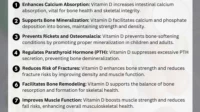
Vitamin D isn’t just a helpful companion to calcium; it’s a gatekeeper that helps your gut absorb calcium and supports kidney handling of minerals. Without sufficient vitamin D, calcium absorption can drop, even if your diet includes calcium-rich foods.
This matters because bone health is fundamentally about balance. Osteoblasts build. Osteoclasts resorb. Vitamin D helps tune this orchestration so bones can maintain strength and structural integrity.
When vitamin D levels are chronically low, the body may compensate by increasing parathyroid hormone activity. That compensation can pull calcium from the bloodstream and—over time—from bone mineral stores, nudging you toward decreased bone density.
Long Months of Low Light: A Timeline for Concern
How quickly can rainy-season changes affect vitamin D? The answer is not dramatic overnight, but it can be steady and cumulative. Vitamin D is fat-soluble, so the body can buffer short-term dips. Still, if reduced UVB exposure persists, stores can gradually decline.
Think of it like a savings account. Your balance isn’t gone after one rainy week. But if deposits stall for months—especially during winter-like patterns—your balance may gradually erode.
For some people, the erosion is more pronounced due to baseline factors such as darker skin pigmentation, higher body fat percentages, limited outdoor exposure, or dietary gaps. In these cases, the rainy season can become a double hit: less sunlight plus less dietary support.
Bone Density, Fracture Risk, and the Unseen Cost of Underexposure
Low vitamin D has been associated with reduced bone mineral density and increased risk of fractures, particularly in adults as aging naturally shifts bone remodeling toward resorption. In children, inadequate vitamin D can contribute to impaired mineralization and skeletal development.
Rainy weather also impacts movement patterns. When people avoid outdoor activity, they may reduce weight-bearing exercise—like brisk walking, climbing stairs, or dancing—further weakening mechanical stimuli that bones need to stay strong.
So the hidden link isn’t only vitamin D. It’s vitamin D plus movement inertia. Together, they can subtly tilt the body toward weaker bone architecture.
Symptoms Aren’t Always Obvious—The Body Doesn’t Send a Clear Alarm
Here’s the tricky part: vitamin D insufficiency can be quiet. Many individuals feel no direct symptoms. You might simply notice fatigue, reduced mood, or aches that get chalked up to weather.
However, bone and muscle discomfort can sometimes reflect low vitamin D status. Vitamin D influences muscle function too—so impaired muscle strength may increase fall risk, which then increases fracture likelihood. In other words, the “bone problem” may arrive wearing the mask of muscular clumsiness.
If you suspect deficiency, the most responsible path is evaluation with appropriate testing rather than guesswork.
Food and Fortification: The Rainy-Day Nutrition Backup
Can you outsmart the rainy season with diet? Partly. Foods like fatty fish, egg yolks, fortified dairy or plant-based milks, and fortified cereals can contribute vitamin D. Yet dietary vitamin D is often modest compared to what the body can produce with sufficient UVB exposure.
This means nutrition is valuable, but it may not fully replace sunlight when cloud cover is relentless. Still, it can help close the gap, especially if combined with safe, intentional outdoor time when conditions allow.
Consider building meals around “bone-friendly staples”: calcium sources plus vitamin D-containing foods. The synergy matters. Calcium provides mineral content; vitamin D supports efficient absorption.
Safe Sunlight Strategies: Practical, Not Reckless
Rainy seasons don’t always eliminate sunlight completely. Breaks between storms, winter sun angles, and reflective surfaces can still provide UVB exposure, depending on latitude, season, and time of day. The goal is not to chase the sun like a hobby; it’s to use it thoughtfully.
A practical approach is to identify low-risk windows when UV levels are appropriate and to use sun-protective judgment. Even short outdoor periods can be beneficial. But remember: sunscreen, cloud cover, window glass, and skin coverage all change UVB availability.
For some people, professional guidance on supplementation may be more reliable than trying to “schedule sunlight” during persistent gray skies.
Supplementation: When the Hidden Link Becomes Actionable
Supplementation can be a targeted strategy, particularly for individuals at higher risk of deficiency or those who rarely get UVB exposure. However, dosing should ideally align with lab results and clinician recommendations.
Vitamin D dosing often depends on baseline levels, body weight, and overall health. Some people may need maintenance doses, while others require temporary correction. Too little won’t move the needle; too much can be problematic. That’s why individualized plans matter.
Also consider calcium intake. If calcium is consistently low, vitamin D alone may not fully support bone mineralization. The body needs both components to construct sturdy bone tissue.
Training Through the Drizzle: Exercise That Tells Bones to Stay Busy
During rainy season, indoor activity can replace the lost momentum. Bones respond to load and impact—mechanical signals they recognize as “stay strong.” Weight-bearing exercises encourage remodeling and can help preserve bone density.
Options include brisk walking indoors, stair climbing, resistance training, and balance work. Think about it as sending weekly “strength memos” to your skeleton: bones aren’t passive; they’re adaptive.
Balance and strength training may also reduce falls. That closes the loop between vitamin D, muscle function, and fracture prevention.
Who Should Pay Extra Attention?
Not everyone experiences rainy season equally. Risk may be higher for older adults, people with limited sun exposure, those with darker skin, individuals with malabsorption conditions, and anyone whose diet rarely includes vitamin D or calcium-rich foods.
Additionally, some medications and health conditions influence vitamin D metabolism or bone turnover. If you fall into any of these groups, it’s wise to discuss testing and prevention strategies proactively.
A Rainy Season Plan: Small Steps, Strong Outcomes
Picture your rainy season as a three-part program: sunlight awareness (when possible), nutrition reinforcement, and movement discipline. Each piece supports the others. When one weakens—like sunlight during sustained cloud cover—another can compensate.
Start with assessment: consider whether vitamin D might be low based on lifestyle and risk factors. Then aim for consistency rather than intensity. Short outdoor breaks, calcium-and-vitamin D–supporting meals, strength training, and balance work can collectively protect bone health even when the sky refuses to clear.
Because the real hidden link isn’t just vitamin D. It’s the quiet message your body receives from weather patterns—and your response to them.