What if the cure for a darker mood weren’t hiding in a bottle of antidepressants, but in something as ordinary—and surprisingly unconventional—as vitamin D? It’s an appealing thought, isn’t it? Yet here’s the twist: the idea of “high-dose” vitamin D for depression comes with a playful question and a very real challenge. Can raising vitamin D levels meaningfully shift depressive symptoms—or does it simply add another variable to an already tangled clinical puzzle?
The Depression-Vitamin D Hypothesis: More Than a Sunshine Myth
Vitamin D is often framed as the “sunshine vitamin,” but its role may extend far beyond bone health. In the brain, vitamin D receptors are present in multiple regions involved in mood regulation, including areas associated with emotion, cognition, and stress response. That biological presence fuels the hypothesis that vitamin D insufficiency could contribute to depressive states—or that correcting deficiency might improve resilience.
Still, depression is rarely a single-mechanism condition. It’s influenced by genetics, inflammation, circadian rhythms, neurotransmission, and psychosocial factors. So the question becomes: when researchers push vitamin D doses higher than typical supplementation, what happens to this multi-dimensional landscape?
Why “High-Dose” Matters: The Challenge of Dose-Response
Most people think of vitamin D in modest terms—perhaps a daily capsule taken to “cover the gap.” High-dose strategies, however, are designed to accomplish something specific: rapidly raise serum 25-hydroxyvitamin D to a range considered potentially therapeutic.
The challenge is that vitamin D doesn’t behave like a switch. Its effects may depend on baseline deficiency, absorption differences, body weight, sun exposure patterns, and the timeline required for biological pathways to respond. A higher dose might help some people substantially while leaving others largely unchanged.
In other words, the question isn’t only “Does vitamin D help depression?” but also “Which person, which baseline level, and which dosing regimen makes the most difference?”
What Clinical Trials Typically Measure: Mood Outcomes and Benchmarks
Clinical trials studying vitamin D for depression often track symptom severity using standardized scales—tools designed to quantify how participants feel over time. Researchers also examine whether vitamin D alters related markers, such as inflammatory signals or sleep-related measures, though not all studies include the same biological endpoints.
Another key element is the baseline vitamin D status. Trials commonly include participants with low levels, but the definition of “deficient,” “insufficient,” or “insufficient-but-not-too-low” can vary. That variability can dilute results if some participants begin with adequate vitamin D while others start with a true deficit.
So even before interpreting outcomes, readers should remember: outcomes depend on the starting line.
Trial Patterns: Mixed Results, Emerging Signals, and the “Not So Simple” Reality
Across clinical trials, results have not always been uniform. Some studies report improvements in depressive symptoms—especially when vitamin D dosing is high enough to produce a meaningful rise in serum levels. Other trials find minimal benefit, particularly in groups where baseline vitamin D was already adequate or where the intervention period wasn’t long enough.
Why the inconsistency? Depression research is notorious for heterogeneity. Trials may differ in:
1) participants’ age, sex, and comorbid conditions
2) depression severity (mild vs. moderate vs. severe)
3) co-interventions (therapy, antidepressants, lifestyle changes)
4) dosing method (daily vs. weekly vs. bolus approaches)
5) follow-up duration (weeks vs. months)
High-dose vitamin D may show a clearer effect in some subgroups—yet become harder to detect when the average effect is diluted across a broader sample.
The Biological Plausibility: How Vitamin D Might Influence Mood
Biology rarely travels in straight lines. Several mechanisms have been proposed. Vitamin D may influence neuroplasticity—the brain’s ability to adapt—through signaling pathways that support neuronal function. It may also modulate inflammation, potentially reducing “background fire” that can worsen depressive symptoms.
Stress physiology may be another pathway. Vitamin D is thought to interact with the regulation of stress responses, including hormonal pathways tied to mood and anxiety. Additionally, vitamin D can affect neurotransmitter-related systems indirectly, such as through modulation of immune activity and cellular signaling.
None of these mechanisms guarantee clinical improvement, but they offer reasons why high-dose supplementation could—under the right circumstances—shift mood trajectories.
Safety Considerations: The Dose Can’t Be a Dare
Here’s where the playful question meets its hardest boundary. High-dose vitamin D is not automatically benign. Excess vitamin D can lead to hypercalcemia, which may cause symptoms such as nausea, weakness, confusion, and in severe cases, kidney-related complications.
Clinical trials generally monitor serum calcium and vitamin D levels. Still, the safety profile can vary depending on dose magnitude, participant characteristics, and baseline nutritional status.
In practical terms: vitamin D should be treated with respect, not bravado. High-dose strategies should ideally be guided by laboratory measurement and clinician oversight—especially for individuals with kidney disease, sarcoidosis, or conditions affecting calcium metabolism.
Who Might Benefit Most: Baseline Status and Subgroup Possibilities
If there’s a pattern worth watching, it’s this: people with low baseline vitamin D may have more room for improvement. When vitamin D is deficient, correcting it could restore cellular processes that were previously underperforming.
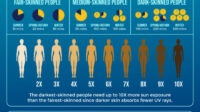
Subgroup effects are a recurring theme in nutrition trials. In depression, this becomes especially relevant because comorbid factors—like limited sun exposure, higher body mass index, darker skin pigmentation, or dietary patterns—can correlate with lower vitamin D levels.
Still, the “who benefits” story must remain cautious. Subgroups can reveal signals, but they can also generate false positives if the trial isn’t designed or powered to detect them.
How Long Does It Take? The Timing Puzzle
Depression doesn’t usually lift overnight. Even when an intervention targets a plausible biological pathway, mood changes may require time for downstream effects to consolidate. Some trials run for a limited window, which might not capture benefits that emerge gradually.
Vitamin D may need time to reach stable serum levels, then time for biological signaling to influence the brain’s stress and immune environment. A short trial can therefore miss a slow-moving improvement.
Then again, a delayed response might still be clinically meaningful—if it happens reliably.
Vitamin D Alongside Treatment: Add-On, Not Replacement
Another practical challenge: depression treatment is rarely a single-lane road. People may be using antidepressants, attending therapy, or making lifestyle changes simultaneously. Trials that allow concurrent treatment can help reflect real-world practice, but they also complicate interpretation. If symptoms improve, was it due to vitamin D, the standard treatment, or their interaction?
Most clinical thinking supports a sensible framing: vitamin D may be an adjunct—one element in a broader care plan—rather than a standalone cure.
Designing Future Trials: Toward Clarity
The research community often calls for better stratification and more consistent methods. Future trials may benefit from:
• tighter inclusion criteria based on baseline vitamin D status
• standardized dosing schedules and targets for serum 25(OH)D
• longer follow-up to capture delayed mood changes
• careful documentation of adherence, sun exposure, and diet
• integration of biological measures (inflammation, hormonal markers, neurocognitive tests)
These improvements could help determine whether high-dose vitamin D works primarily by correcting deficiency, by modulating immune tone, or by affecting neurobiological resilience.
A Playful Bottom Line: Hope With a Safety Net
So—does high-dose vitamin D help depression? Clinical trials suggest it can be promising, particularly when deficiency is present and dosing meaningfully raises vitamin D levels. Yet results are not universally consistent, and the complexity of depression makes “simple answers” suspicious.
The potential challenge remains twofold: dose-response variability and the need for safety-conscious implementation. Vitamin D is not magic, but it may be more than background nutrition—especially for people starting from low levels.
If you’re exploring this topic personally, the most prudent approach is measured curiosity: check levels, discuss dosing with a qualified clinician, and treat vitamin D as a supportive actor in a larger therapeutic narrative.