Anyone who has ever stared at a bathroom sink crowded with stray strands knows the emotional whiplash: one week you notice shedding, the next you wonder whether the cause is temporary—or whether it’s the beginning of something larger. Vitamin D enters the conversation quickly, often with a simple promise: take it, and the hair will stop falling. But hair biology is rarely that linear. The real question is not only how long vitamin D takes to influence shedding, but also why this nutrient holds such hypnotic fascination in the first place.
Why Vitamin D Is Linked to Hair Shedding in the First Place
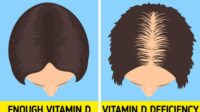
Vitamin D is more than a bone companion. It behaves like a hormonal gatekeeper for many systems, including skin physiology and follicle cycling. Hair follicles are not passive structures; they respond to signals that shape growth, rest, and regression phases. When vitamin D is insufficient, the environment becomes less supportive—like trying to grow a garden in soil missing key minerals.
Many people notice shedding and then discover low vitamin D on lab work. That coincidence feels persuasive. Yet shedding can be triggered by many overlapping factors: stress hormones, iron availability, thyroid shifts, recent illness, scalp inflammation, and even hair styling routines. Vitamin D is often a helpful variable among several, not the single master switch.
Still, the curiosity is justified. Vitamin D participates in keratinocyte behavior and may influence follicular immune regulation. In plain terms: it can affect how the scalp tolerates and manages inflammatory pressure—an undercurrent that can quietly accelerate shedding.
The Typical Timeline: When Should Shedding Improve?
A common observation emerges again and again: “I started vitamin D, why am I still losing hair?” That reaction is logical. Hair growth is slow. Even if vitamin D corrects a deficiency quickly at the biochemical level, hair doesn’t instantly reconfigure itself. The body must shepherd follicles through their natural rhythm.
For many individuals, early improvement—such as a subtle reduction in daily shed volume—may appear within 6 to 12 weeks. This window aligns with the length of time it takes for the scalp environment to shift enough to change follicle behavior. Some people notice changes closer to the 3 to 4 month mark, especially when deficiency was meaningful or prolonged.
More robust evidence often requires a longer horizon. Hair that looks “better” usually takes 3 to 6 months to manifest convincingly, because the growth cycle and visual density lag behind internal corrections.
If shedding persists without improvement past 4 to 6 months, the story may not be about vitamin D alone. It might be an additional deficiency, an inflammatory trigger, or a hair cycle event already underway.
Why the Delay Happens: Hair’s Slow, Layered Biology
Hair shedding is not a moment; it’s a process. Many follicles are synchronized in phases. When shedding increases, it often reflects follicles entering or exiting a phase rather than a sudden, immediate collapse. Vitamin D may gradually nudge follicles toward a more favorable pattern—but follicles do not respond like an appliance you flip on.
There’s also the matter of what you’re actually seeing. Shedding usually represents hairs that were already committed to fall before the intervention began. In that sense, supplement timing can feel like watching an old movie after deciding to turn the sound off.
Another subtle factor is scalp micro-inflammation. Vitamin D may help modulate immune responses. However, inflammation resolution takes time, and hair density recovery is the cosmetic sequel to that internal calm.
What “Stopping Shedding” Really Means: Reduced Loss vs. Regrowth
People often treat shedding as a single endpoint, but it can mean different things. Some experience a dramatic reduction in loose hairs, even before noticeable regrowth. Others feel shedding remains steady while new growth slowly increases density. Both can be signs that the hair cycle is recalibrating.
Regrowth is typically easier to recognize after a few months. Shedding reduction is the earlier breadcrumb. You may see fewer strands on the pillow, in the shower, or on clothing. Then, gradually, the hairline can soften, the part can look less roomy, and the overall texture may become more consistent.
Expect variation. Genetics and hair type influence how change appears. Fine hair can “show” shedding faster. Curly or coily hair may hide or delay visual cues. The underlying biology, however, still moves along time’s grain.
Correcting a Deficiency vs. Taking Vitamin D “Just Because”
Vitamin D supplementation is most compelling when there’s a deficiency—or at least insufficiency. If your levels are already adequate, the supplement might not meaningfully shift hair dynamics. In that scenario, you might be paying for something your follicles don’t currently lack.
The deeper fascination comes from how vitamin D functions as a coordinator. When deficiency exists, correcting it may restore normal signaling. But when deficiency isn’t present, shedding may be driven by other levers: iron deficiency (including low ferritin), thyroid imbalance, androgenetic influences, telogen effluvium from stressors, or dermatitis.
Think of it like adding fertilizer to a garden. It helps when the soil is depleted. It won’t reverse a drought or a pest infestation.
Testing and Tracking: Knowing If Vitamin D Is the Missing Piece
A thoughtful approach involves measuring serum 25-hydroxyvitamin D. That test offers a snapshot of vitamin D status. Without it, supplementation becomes guesswork, and guesswork can prolong frustration.
Also consider accompanying evaluations if shedding is significant or persistent. Iron studies can clarify whether ferritin is low, thyroid function can reveal metabolic disruptions, and a review of medications and recent stressors can uncover telogen triggers. Sometimes the “vitamin” story is only half of the narrative.
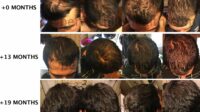
Tracking matters. Take periodic photos in consistent lighting. Monitor shed volume, but also hair feel and scalp comfort. Healing is not only measured by numbers. It’s measured by texture, resilience, and the return of a calmer scalp.
How Vitamin D Dose and Absorption Influence Results
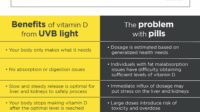
Not all supplementation is equivalent. Dose matters, but so does absorption. Vitamin D is fat-soluble, so taking it with a meal containing fat can improve bioavailability for many people. Additionally, conditions affecting gut absorption—such as celiac disease or certain inflammatory bowel conditions—may require tailored strategies.
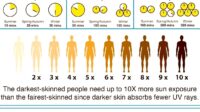
Individual metabolism also varies. Genetics can influence how vitamin D is processed and stored. That variability helps explain why two people can take the same amount and experience radically different timelines.
Safety is essential. Excessive vitamin D intake can lead to hypercalcemia. That’s not a hair problem—it’s a systemic risk. A professional dosing plan based on labs is the most sensible path.
When Hair Shedding Pattern Suggests Something Else
Some shedding patterns point away from vitamin D as the primary cause. Diffuse shedding with a sudden onset after an illness, major stress, childbirth, or significant weight change often resembles telogen effluvium. This can still overlap with low vitamin D, but it has its own cadence.
If you notice widening parting, miniaturization at the crown, or persistent progressive thinning, androgenetic alopecia may be involved. Vitamin D could be a supportive factor, but the main driver might be hormonal signaling within follicular receptors.
Scalp redness, itching, flaking, or tenderness can indicate dermatologic conditions such as seborrheic dermatitis or psoriasis. In those cases, controlling the scalp environment may be the more immediate lever.
Supporting Vitamin D with a Broader Hair-Care Strategy
Vitamin D is best framed as one component of a holistic hair architecture. Nutrition matters: adequate protein, iron, zinc, and essential fatty acids provide the building blocks. Hydration and gentle styling reduce mechanical breakage, which can masquerade as shedding.
Scalp care deserves attention. If shedding is paired with inflammation, calming routines—appropriate shampoos, antifungal or anti-inflammatory measures when indicated—can create a less combative landscape for follicle growth.
Finally, stress reduction isn’t cliché; it’s physiology. Chronic stress alters hormonal signaling and can push more hairs into a shedding-prone phase. Consider this the rhythm section of hair cycling.
Practical Expectations and a Realistic “Stop Date”
If vitamin D deficiency is truly contributing, a realistic expectation is improvement within 6 to 12 weeks, with clearer density changes around 3 to 6 months. That “stop date” is not guaranteed, but it’s a reasonable planning horizon.
If shedding is severe, worsening, or accompanied by patchy bald spots, pain, or systemic symptoms, seeking professional evaluation is prudent. Hair loss can be a visible headline of internal shifts.
In the end, vitamin D’s allure comes from its dual identity: a simple nutrient with complex, regulatory influence. When it is missing, replenishing it can help hair reclaim steadiness. When it isn’t the culprit, it can still be useful—but it should not replace a complete understanding of the hair’s biology.