There’s a quiet orchestration happening every day inside your body. Light arrives, clocks tick, hormones adjust, and neural circuits adapt—often without you noticing. Yet when this choreography is disrupted, mood can sag, energy can splinter into fragments, and sleep may feel less like rest and more like negotiation. Two players—vitamin D and circadian rhythms—work together in ways that can feel surprisingly personal. The result is not only better sleep, but also a steadier emotional tone and a more resilient sense of vitality.
How Circadian Rhythms Create Your Daily Emotional Weather
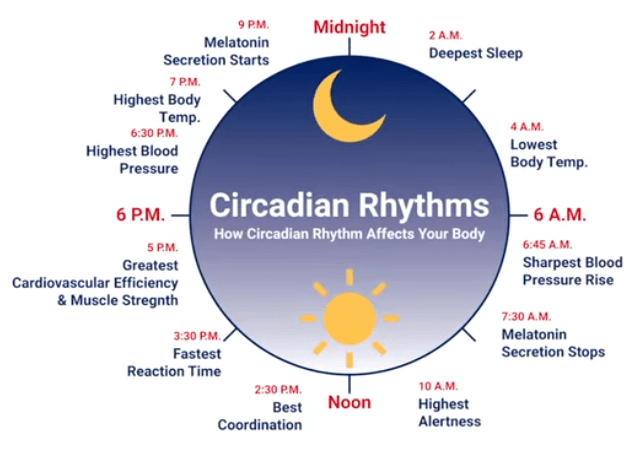
Circadian rhythms are your internal timing system. They regulate when you feel alert, when you become drowsy, and when your body repairs and recalibrates. Think of your brain’s “master clock” as a conductor. It doesn’t play the music by itself; it coordinates the musicians—melatonin production, cortisol release, body temperature rhythms, and even immune signaling. When these systems align, your mood tends to feel less volatile, your attention more cohesive, and your energy more predictable.
Light is the most influential cue. Morning light tends to push you toward wakefulness, while dim evenings encourage melatonin to rise. But modern life can confuse the signal: late-night screens, artificial lighting, irregular schedules, and frequent travel can blur the day-night boundaries. Short-term mismatch can show up as irritability, cognitive fog, or a “wired but tired” sensation. Longer-term drift may amplify depressive symptoms, fatigue, and even metabolic dysregulation.

Vitamin D: More Than a Sunshine Nutrient
Vitamin D is often described as a nutrient you get from sunlight. That’s true—but incomplete. Vitamin D behaves more like a hormone-like regulator. It influences gene expression across multiple tissues, including the brain. When vitamin D status is low, the systems governing neurotransmission and neuroprotection may become less efficient. This can contribute to a pattern of low mood, reduced motivation, and a gradual erosion of energy reserves.
Importantly, vitamin D synthesis depends on adequate UVB exposure and skin physiology. In winter months, at higher latitudes, and in people who spend more time indoors, levels can drop. Some individuals also face absorption challenges or have limited dietary intake of vitamin D-rich foods. The effect is not always immediate. Instead, it can creep in as subtle changes—sleep that doesn’t feel restorative, a slower recovery from stress, and a mood that seems harder to lift.
The Hidden Link: How Light and Vitamin D Interweave With Brain Chemistry
Light doesn’t only affect the circadian clock; it also interacts with vitamin D-related pathways. UVB exposure helps your body produce vitamin D, and vitamin D receptors exist in brain regions tied to mood and cognition. This convergence can be meaningful: your circadian rhythm shapes hormonal and neuronal readiness, while vitamin D influences neurotransmitter regulation and cellular resilience.
When both systems are supported, the brain can maintain a steadier chemical balance. Serotonin signaling and dopamine-related motivation pathways appear to benefit from adequate vitamin D status, while circadian alignment supports the timing of these processes. The result is not “instant happiness.” Instead, it’s a more stable emotional baseline—less lurching, fewer energy crashes, and more consistent concentration during your peak hours.
In contrast, when you have low vitamin D and circadian disruption, the body may struggle on two fronts: timing cues become unreliable, and the biochemical toolkit becomes less available. This dual deficit can create a feeling that you’re trying to run on half-charged batteries while the clock in the background keeps moving the goalposts.
Mood: Why Timing and Vitamin D Status Both Matter
Mood is notoriously multifactorial, but circadian rhythm disturbances can be a frequent amplifier. When your internal clock drifts, sleep quality often worsens first. Poor sleep then alters stress reactivity: cortisol rhythms flatten, inflammation markers can rise, and emotional regulation becomes harder. Over time, that can nudge the brain toward negative rumination and reduced reward sensitivity.
Vitamin D may help counterbalance that terrain. Adequate levels support mechanisms linked to neuroplasticity and inflammation control, both of which matter for mood stability. In practical terms, people who improve sunlight exposure in a safe, consistent manner—and correct vitamin D insufficiency when appropriate—often report a gradual easing of “grayness.” Their mornings can feel less like a battle, and their evenings less like a shutdown.
Still, it’s worth treating this as an evidence-informed partnership rather than a single-cause story. Mood improves when multiple systems—sleep, light, nutrition, movement, and social rhythm—move in the same direction.
Energy and Alertness: The Role of Melatonin, Cortisol, and Cellular Timing
Your energy doesn’t just depend on calories or caffeine. It depends on the timing of biological readiness. Cortisol tends to rise in the morning, helping you mobilize and focus. Melatonin increases in the evening, signaling that the body should shift into maintenance and repair. Circadian misalignment can invert these signals or smear them across the day—leaving you alert when you should be winding down, and sluggish when you need momentum.
Vitamin D may contribute by supporting mitochondrial function indirectly and modulating inflammatory processes that can sap energy. When energy feels thin or unreliable, the culprit may be sleep fragmentation, low vitamin D, irregular light exposure, or all of the above. The goal isn’t to force stimulation. It’s to reduce biological friction: help your brain learn the correct day-night tempo so it doesn’t spend the evening in cognitive limbo.

Practical Sunlight Strategies: Morning Wins, Evening Protection
If sunlight is a lever, mornings are the fulcrum. Morning light exposure—especially outdoors—can anchor circadian rhythms. Even on cloudy days, outdoor brightness is typically far higher than indoor lighting. Consider stepping outside shortly after waking, or during the first half of your day, for a brief exposure period. The “right” duration varies by skin tone, latitude, and UV intensity, so it’s wise to balance benefit with skin-safety awareness.
Evening, however, is a different story. Dim the lights, reduce screen brightness, and consider using warmer color temperatures in the hours before bed. This doesn’t mean avoiding all light; it means preventing an unnatural signal that your body should stay awake. When your circadian system receives consistent cues, vitamin D status can complement the rhythm instead of competing with it.
Food and Supplements: Building a Reliable Vitamin D Foundation
Sunlight is powerful, but it isn’t always feasible. Diet and supplementation can close gaps—especially for people who rarely get outdoor exposure. Vitamin D-rich foods include fatty fish, fortified dairy or plant alternatives, and egg yolks. Still, dietary intake alone may not always be sufficient, depending on habits and baseline levels.
When supplements are considered, it’s best to approach them thoughtfully. Vitamin D needs careful dosing because too little may not correct symptoms, and too much can be harmful. Many people benefit from checking a 25-hydroxyvitamin D lab value with a clinician before starting or adjusting supplementation. From there, dosing can be tailored to achieve an adequate range and then maintained.
Consistency is key. A sporadic supplement routine often feels less effective than a steady plan aligned with your daily schedule and sleep goals.
What “Balance” Looks Like: Habits That Harmonize Mood, Sleep, and Vitality
A balanced rhythm doesn’t demand perfection. It demands regularity. Build a weekday-friendly sleep window, even if weekends tempt you to “catch up” by sleeping in. Keep wake times relatively stable. If you need to shift your schedule, do it gradually—your internal clock prefers incremental adjustments over sudden rewrites.
Pair that with daily light timing. Morning light supports the wake signal. Evening darkness cues melatonin to rise. Movement helps too: daytime activity strengthens sleep pressure and improves stress tolerance, which can improve mood even when you’re not “feeling motivated” yet.
Finally, watch for subtle signs. If you’re experiencing persistent fatigue, low mood, or sleep that never feels restorative, consider both rhythm factors and vitamin D status. Addressing one without the other can be like tuning only one instrument in an orchestra.
Content Types Readers Might Find Helpful: A Roadmap for Action
To make this topic usable, readers often appreciate a blend of formats. Some will prefer checklists like “Morning light, Evening dimming, Consistent wake time.” Others may want short explainers that clarify terms such as melatonin, cortisol, and UVB. Many benefit from meal guides featuring vitamin D-rich foods and fortified options, plus supplement decision frameworks that encourage lab testing and clinician consultation.
For deeper learning, case-style narratives can illustrate common scenarios: the office worker with screen-heavy evenings, the winter-dwelling traveler, the night-shift employee whose schedule fights their biology. Meanwhile, evidence-informed FAQs help readers troubleshoot practical questions—like whether cloudy days count, how to adjust light exposure after travel, and when it makes sense to test vitamin D.
When these content types work together, the message becomes actionable. Not merely “get more sunlight,” but “synchronize your signals so your mood and energy can run on time.”
Closing Thought: A Steadier Self, One Rhythm at a Time
Vitamin D and circadian rhythms aren’t separate wellness trends. They’re interdependent threads—one biochemical, one temporal. Support the timing, and the body becomes more efficient at using its internal resources. Correct vitamin D insufficiency, and the biochemical environment becomes more capable of supporting resilience.
Over days and weeks, that combination can produce a quietly noticeable shift: mornings that feel more navigable, energy that sustains rather than spikes, and mood that carries itself with less strain. The goal is harmony—an internal calendar that finally matches the world outside.