What if your next PR isn’t just hiding in training plans, sleep hygiene, or clever periodization—but inside a pill bottle? High-dose vitamin D promises a tempting shortcut: faster recovery, steadier performance, fewer aches. Yet the same shortcut can become a detour into unwanted territory. So here’s the playful question: if vitamin D is the “sunshine vitamin,” why does more sometimes feel like less? And what happens when athletes treat it like an all-purpose performance elixir instead of a carefully measured nutrient?
Vitamin D: Not a Booster, but a Biological Conductor
Vitamin D isn’t a stimulant in the classic sense. It functions more like a biological conductor, helping orchestrate calcium absorption and supporting bone mineralization. Athletes often think in terms of immediate outcomes—speed, power, endurance. Vitamin D works on a different timescale, influencing the musculoskeletal system and immune signaling over weeks to months. That’s why the “more must be better” mindset can be misleading. Your body can’t simply convert extra vitamin D into instant athletic magic. Instead, it regulates its use with biochemical guardrails.
It also matters where the athlete is starting from. Vitamin D deficiency is common in people who train indoors, live at higher latitudes, or spend minimal time exposed to sunlight. In those cases, restoring adequate status can improve function and reduce injury susceptibility. But for already-sufficient athletes, escalating doses may not create measurable performance gains. It may only increase the probability of side effects.
Consider this: vitamin D is like tuning a piano. If it’s out of tune, the music sounds wrong. If it’s already perfectly tuned, turning the pegs harder won’t make it louder—it may make it worse.
The Performance Narrative: Where the Claims Come From
Many performance discussions begin with plausible mechanisms. Vitamin D helps maintain bone strength, which supports training volume. It also plays a role in muscle function, including fiber behavior and neuromuscular performance. Some athletes and coaches point to correlations between low vitamin D levels and higher rates of stress fractures, fatigue complaints, or general musculoskeletal discomfort.
There’s also the immune angle. Athletes live at the edge of physiological demand, and any reduction in illness frequency can indirectly support training consistency. Vitamin D is involved in immune modulation, so adequate levels can be part of a resilience toolkit.
But here’s the challenge: correlation is not causation. Better performance can coincide with adequate vitamin D because athletes who follow healthy routines also tend to get more sunlight, eat more nutrient-dense foods, or manage recovery better. High-dose supplementation doesn’t automatically reproduce the same benefits if deficiency was never the limiting factor.
Deficiency vs. Excess: The “Goldilocks Zone” Problem
Vitamin D has a narrow therapeutic neighborhood. Adequacy is beneficial; excess is risky. The body converts vitamin D into metabolites that increase calcium absorption. When too much is present, calcium levels can rise beyond what the body needs. That can lead to hypercalcemia, which is not a performance feature—it’s a physiological headache.
Symptoms of excessive vitamin D exposure can include nausea, constipation, excessive thirst, frequent urination, fatigue, confusion, and in severe cases, kidney stress. Athletes may interpret these as “overtraining,” “travel fatigue,” or “a strange bug.” The misdiagnosis risk is real because the symptom constellation can overlap with common sports complaints.
In other words, the Goldilocks zone matters: not too low, not too high, and not a “let’s see what happens” approach during a critical training block.
Why Athletes Consider High-Dose Supplementation
Despite the risks, high-dose regimens appear attractive. They can be used to correct deficiency quickly, sometimes under medical supervision. Athletes on condensed timelines—say, before a season opener or a major multi-week event—may prefer a structured “repletion phase.” Some also believe that if low vitamin D is associated with injury, high-dose supplementation should act like preemptive armor.
There’s also an emotional driver: the desire for certainty. A training plan is measurable. A supplement routine feels controllable. But vitamin D status isn’t just a number on a label; it is an individualized biochemical landscape influenced by genetics, body composition, sun exposure, dietary calcium, and baseline metabolism.
A playful thought experiment: if training load is adjusted by feedback (heart rate variability, soreness, performance outputs), why would vitamin D be treated as a fixed lever for everyone?
What “High-Dose” Really Means (and Why It Matters)
“High-dose” can mean different things depending on context. Some strategies are designed as supervised repletion, while others are casual over-supplementation without follow-up labs. Dose thresholds also matter because vitamin D’s risk profile is not linear. Even if an athlete feels fine, elevated levels can accumulate silently.
Over time, excessive supplementation can contribute to toxicity—especially when combined with other calcium-raising products, high dietary calcium, or pre-existing kidney vulnerabilities. This is where the sports supplement culture can stumble: stacks, bundles, and “synergy” marketing often ignore pharmacological boundaries.
If the regimen doesn’t include monitoring, it’s less a plan and more a gamble—one that an athlete’s next training session can’t reliably compensate for.
Muscle, Bone, and Recovery: Likely Benefits When Correctly Applied
When vitamin D deficiency is confirmed and corrected, benefits can show up in practical ways. Bone health can improve, lowering the probability of stress injuries during high mileage phases. Muscle performance may become more stable, especially in athletes who were previously constrained by low baseline status.
Recovery is often discussed as “time to bounce back,” but vitamin D’s contributions are indirect. It may support neuromuscular function and help maintain musculoskeletal resilience, which can translate to fewer nagging injuries and better training continuity.
Think of it as infrastructure maintenance. You don’t see the construction trucks during race day, but you notice when the building doesn’t crumble.
The Hidden Risk: Hypercalcemia and Kidney Stress
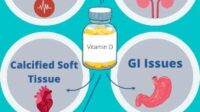
The most serious concern with high-dose vitamin D is hypercalcemia and its downstream effects. Elevated calcium can lead to kidney strain and, in extreme scenarios, kidney stone formation. Athletes who dehydrate aggressively in hot conditions may be at additional risk because fluid balance can affect how the body manages minerals.
Even if athletes never reach toxic levels, subclinical issues can still disrupt training. Subtle GI discomfort can reduce appetite and hydration. Fatigue can blunt intensity. These outcomes might not sound dramatic, but they can sabotage the very performance goals the supplement was meant to support.
In risk management terms, vitamin D toxicity is not a “maybe later” problem. Monitoring matters because the body’s safety ceiling isn’t a mystery once blood markers are tracked.
Immune Function and Illness: A Support Role with Limits
Vitamin D’s immune influence is frequently highlighted. Athletes want to stay healthy because missing training is often the most expensive outcome. Adequate vitamin D status may help modulate immune responses, possibly supporting fewer respiratory issues during heavy training cycles.
However, high-dose supplementation is not a guaranteed shield. Immune health depends on sleep, nutrition quality, carbohydrate availability, and training stress balance. If those fundamentals are neglected, vitamin D can’t serve as a substitute. The immune system is a team sport, and vitamin D is only one player.
There’s also the psychological trap: “I take high-dose vitamin D, so I don’t need to rest as much.” That’s where performance plans become self-sabotage.
Genetics, Body Composition, and Sunlight: The Individualization Factor
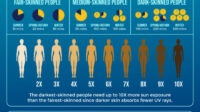
Not all athletes metabolize vitamin D the same way. Genetics can influence vitamin D receptor activity and vitamin D binding proteins. Body fat percentage can also affect storage and release dynamics. Athletes with higher adiposity may experience different serum changes compared to leaner counterparts. In addition, sunlight exposure varies widely—training outdoors at noon is not equivalent to training indoors under flickering gym lights.
Diet is another lever. If calcium intake is low, correcting vitamin D alone may not yield the same musculoskeletal benefits. Conversely, high calcium plus high vitamin D increases the mineral load the body must regulate.
The result is a simple truth: vitamin D needs a personalized strategy, not a one-size-all script.
Practical Protocol: How Athletes Can Make Supplementation Safer
Because vitamin D is both helpful and potentially harmful at high doses, the safest approach usually begins with evidence. Testing can clarify whether supplementation is necessary and what targets make sense. Bloodwork typically assesses 25-hydroxyvitamin D, and medical guidance may consider calcium levels and kidney function depending on dose and history.
Next comes timing and dosing structure. If deficiency is present, a clinician may recommend a repletion phase followed by maintenance. Athletes should avoid stacking multiple vitamin D-containing products without calculating total intake. Short-term “megadose” approaches without monitoring are where risk often accelerates.
Finally, integrate vitamin D into a broader recovery system: adequate protein, smart carbohydrate distribution, hydration, and sleep discipline. Supplements should be supporting characters, not plotlines that replace training wisdom.
Where the Athletic Community Goes Wrong: The Myth of “Always More”
The sports world is full of shortcuts disguised as certainty. “If one deficiency causes problems, then double the dose should fix everything.” But physiology isn’t a vending machine. Your body adapts, compensates, and regulates—sometimes in ways that create side effects when the input exceeds the safe range.
High-dose vitamin D can be appropriate, but it’s not universally beneficial. The performance enhancement narrative only holds when deficiency is corrected and dosing is monitored. Otherwise, the biggest “gain” may be a higher likelihood of toxicity without a meaningful improvement in strength, endurance, or recovery.
That’s the real tension: chasing performance with an uncalibrated lever can distort the very training outcomes athletes are trying to protect.
Conclusion: Performance Enhancement or Risk—The Answer Depends on the Baseline
High-dose vitamin D for athletes is neither villain nor miracle worker. It is a tool that can improve outcomes when used to correct deficiency and when dosing is guided by evidence. But it becomes a risk when treated as an automatic performance booster—especially without bloodwork, medical oversight, or attention to total mineral balance.
So, take the playful question seriously: if vitamin D is sunshine, why does extra sometimes cast a shadow? Because the body’s thermostat has limits. The smartest performance move is not simply taking more—it’s taking the right amount, at the right time, for the right reason.