Pregnancy is often narrated as a calm progression, yet for many expectant parents it can resemble a suspenseful timeline—one that occasionally accelerates toward complications. Among the most discussed concerns is preterm birth, a condition that can be triggered long before anyone can feel “ready” for it. In that landscape, high-dose vitamin D enters the conversation—not as a magical shortcut, but as an intriguing biochemical leverage point. The fascination is common: people notice that vitamin D is frequently mentioned in maternal health advice. What’s less commonly explored is why this single nutrient seems to echo through immune signaling, inflammation control, and placental physiology, all of which may influence the likelihood of early labor.
Preterm Birth: Why the Clock Starts Early
Preterm birth refers to delivery occurring before 37 weeks of gestation. Sometimes it arrives through spontaneous labor. Other times it is preceded by complications such as cervical insufficiency, preterm premature rupture of membranes, or inflammatory states that quietly intensify. The frustrating reality is that the pathway is rarely one-dimensional. The body’s tissues—uterus, cervix, and fetal membranes—are dynamic. They are also exquisitely sensitive to hormonal shifts, oxidative stress, and inflammatory cascades.
When people first hear about preterm birth risk factors, the list can feel like a puzzle: infection history, short cervix, certain pregnancies with prior complications, smoking exposure, socioeconomic stressors, and more. Yet beneath these observations lies a shared theme—biological misalignment. The deeper fascination is that vitamin D might serve as a mediator between environmental realities and internal regulatory networks, helping the body maintain steadier control over immune activation and tissue remodeling.
Vitamin D Beyond Bones: An Immunometabolic Story
Vitamin D is often introduced as “bone health,” especially for children. During pregnancy, however, it behaves like a broader regulator. Its active form—calcitriol—interacts with vitamin D receptors distributed in many tissues, including immune cells and reproductive tissues. This is where the narrative becomes unexpectedly rich. Vitamin D can modulate innate and adaptive immunity, influencing the balance between pro-inflammatory and anti-inflammatory signaling.
Imagine the immune system as a vigilant security team. Too little vigilance can invite infection. Too much vigilance can damage tissues. In pregnancy, the challenge is not only to detect threats, but to prevent the body from overreacting. Higher doses of vitamin D, in certain contexts, may help nudge immune responses toward stability. This is not merely “support.” It is a form of biochemical re-tuning.
The Observation Everyone Makes: “Why Does Vitamin D Get Mentioned So Often?”
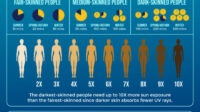
The common observation is that vitamin D appears in many pregnancy discussions, almost like a recurring character. The repetition can feel suspicious or overly convenient—until you consider the underlying pattern. Vitamin D deficiency is widespread. Sunlight exposure varies widely due to geography, indoor lifestyles, skin pigmentation, cultural clothing practices, and dietary habits. If deficiency is common, then supplementing becomes a logical intervention to correct a baseline problem.
But there’s a subtler layer. Pregnancy is a period of heightened demand. Even when nutrition is generally adequate, vitamin D status can decline due to changes in metabolism and distribution. When deficiency is present, the body may struggle to maintain the hormonal and immune equilibrium required for successful gestation. In that sense, high-dose vitamin D can be interpreted as a way to restore a more “pregnancy-compatible” biochemical environment.
Mechanisms Linking Vitamin D to Preterm Birth Risk
Researchers explore several interconnected pathways that might explain how vitamin D could influence preterm birth probability. One involves inflammation. Preterm labor is frequently associated with inflammatory signals, including cytokines that can drive uterine contractions and cervical changes.
Vitamin D may dampen inflammatory overdrive by influencing gene expression in immune cells. Another pathway involves antimicrobial defense. If infection or subclinical microbial activity contributes to early labor, adequate vitamin D may assist in maintaining effective mucosal and immune barriers.
A third pathway concerns tissue remodeling. The cervix and fetal membranes must remain mechanically stable. If their integrity is altered by oxidative stress or abnormal inflammatory signaling, the mechanical “architecture” of pregnancy can weaken. Vitamin D’s role in calcium regulation and cellular differentiation adds a further dimension, suggesting it may influence the biology of structural tissues.
What “High-Dose” Means in Clinical Context
When people hear “high-dose vitamin D,” they may picture an extreme amount. In medical settings, “high-dose” usually refers to dosing strategies intended to quickly correct deficiency or achieve a target blood level. The exact regimen varies by study design and clinical protocols. Some approaches use larger loading doses followed by maintenance, while others focus on sustained supplementation.
It’s essential to recognize that vitamin D supplementation is not purely a one-size-fits-all endeavor. Baseline vitamin D status matters. Body weight, absorption capacity, and concurrent conditions like malabsorption syndromes can alter how much vitamin D is needed. Pregnancy also changes the pharmacokinetics of many nutrients, making careful dosing a matter of precision rather than guesswork.
Timing Matters: Early Prevention vs Late Rescue
The question many parents wonder is whether vitamin D helps most when started early. The deeper reason timing may matter is that preterm birth risk often emerges through biological processes that start quietly. Inflammation, cervical remodeling, and membrane changes may develop over time before symptoms appear. Vitamin D’s immune-modulating effects may require a window of stabilization.
Therefore, interventions that correct deficiency earlier in pregnancy might hypothetically reduce risk by improving baseline regulation. Late supplementation could still be beneficial for deficiency correction, but the ability to alter a process already underway may be narrower. This is one reason clinical recommendations often emphasize identifying deficiency early rather than waiting for complications to appear.
Safety Considerations: The Line Between Help and Harm
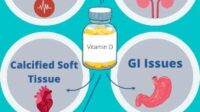
Vitamin D is fat-soluble, meaning it can accumulate. That raises an important safety conversation. Too much vitamin D can contribute to hypercalcemia, which may bring risks to both mother and fetus. Symptoms might include nausea, excessive thirst, frequent urination, constipation, and unusual fatigue. Severe cases can involve kidney complications due to calcium imbalance.
For that reason, supplementation should be guided by appropriate clinical oversight, typically including measurement of serum 25-hydroxyvitamin D levels and sometimes calcium levels depending on the dosing strategy. The goal is not to flood the body. The goal is to reach an adequate range that supports pregnancy physiology.
Who Might Benefit Most: A Targeted Approach
Not all pregnancies have the same risk profile. Vitamin D interventions may appear more compelling when deficiency is confirmed or when additional risk factors exist—such as limited sun exposure, darker skin phototypes in low-sun environments, obesity, or dietary insufficiency. In such cases, high-dose correction may address a modifiable vulnerability.
However, even without obvious deficiency, pregnancy can involve complex endocrine and immune shifts. This is where fascination becomes deeper: vitamin D may act like a “background regulator,” influencing immune responsiveness and tissue resilience in ways that are difficult to see until they are missing. Identifying those who might benefit most is one of the most practical frontiers in maternal care.
What Studies Suggest: Promise with Nuance
The scientific story is not a simple yes-or-no. Some research indicates potential reduction in preterm birth risk or related adverse outcomes, especially in populations with low vitamin D status. Other findings are more mixed, which can happen when studies vary by dose, timing, baseline deficiency, adherence, and participant characteristics.
This nuance does not erase the potential; it reframes it. The most plausible interpretation is that vitamin D’s effect may depend on context. When deficiency is present, correcting it may restore normal immune and tissue signaling. When vitamin D is already adequate, additional supplementation may have less room to improve outcomes. In medicine, that conditionality is common—and it is often the reason results feel inconsistent across different studies.
Practical Guidance: Discuss, Measure, and Personalize
If pregnancy is on the horizon—or already underway—the most responsible approach is partnership with a clinician. Asking for vitamin D testing can clarify whether supplementation is necessary and what dose strategy might be appropriate. Diet and safe sunlight exposure can support overall nutritional status, but supplementation is often needed to correct deficiency, especially in winter months or indoor lifestyles.
Just as importantly, avoid self-directed “mega-dosing.” Vitamin D can be helpful, but precision matters. A tailored plan—based on lab values, health history, and risk profile—aligns better with how the body actually regulates calcium, immune function, and endocrine signaling during pregnancy.

Looking Ahead: The Future of Maternal Vitamin D Strategies
As maternal health science advances, vitamin D may become part of a broader risk-calibrated system—one that includes biomarkers of inflammation, cervical health, and immune readiness. High-dose strategies might evolve into more refined protocols, perhaps involving stratification by baseline vitamin D levels, genetic factors affecting vitamin D metabolism, and profiles of immune activity.
The fascination persists because the idea is elegant: a nutrient that many people already associate with health might also serve as a modulator of pregnancy biology in ways that reduce the likelihood of early delivery—especially when it is missing. But the elegance must be handled carefully. The best future is not one-size-fits-all supplementation. It is measured, personalized, and safety-centered care that respects both complexity and human hope.