Calcium is the scaffolding of the body—quiet, dependable, and structural. Vitamin D, by contrast, is the locksmith. Without the key, even a well-stocked storehouse can’t quite open the locks that let calcium enter the bloodstream and do its work. So what happens when you choose one hand full of calcium while leaving vitamin D in the pantry? The answer is not simply “nothing,” and it’s not simply “everything.” It’s a spectrum of biochemical tension—some of it subtle, some of it urgent.
Calcium Without Vitamin D: A Supply Chain With a Broken Gate
High-dose calcium can look impressive on a label, but absorption is not a matter of wishful thinking. Vitamin D acts as a hormone-like courier that increases intestinal absorption of calcium and helps coordinate calcium-phosphate balance. When vitamin D is low, calcium may move through your gut like ships arriving at a harbor without a dock—present, heavy, and mostly immobilized.
In practical terms, you may experience reduced absorption, meaning you ingest more calcium than your body can efficiently use. Short-term, this can feel like wasted effort. Long-term, it can create a mismatch: calcium load rises, yet the regulatory systems that keep blood chemistry stable may struggle.
Think of it as trying to hydrate a plant using only fertilizer while neglecting water. The nutrients exist, but the plant’s uptake pathways are compromised.
Blood Chemistry Stress: The Risk of Imbalance
The body runs on meticulous equilibrium. Calcium levels are regulated tightly because calcium is not only bone material—it’s also a signaler for nerve impulses and muscle contraction. If vitamin D is insufficient, the body’s ability to maintain optimal calcium status can be impaired, and compensatory mechanisms may kick in.
One downstream effect is altered calcium-phosphate dynamics. These changes can influence how calcium is handled in tissues. Over time, especially when calcium intake is repeatedly high, the risk of forming deposits increases. It’s not guaranteed, but the stage is more favorable when the biochemical “traffic controllers” are understaffed.
Kidney Stone Risk: When Excess Calcium Finds the Wrong Exit
Kidneys are the body’s filtration front line. With high calcium intake and inadequate vitamin D, the body may excrete more calcium than intended. Elevated urinary calcium—hypercalciuria—can act like wet sand on a construction site: it makes stone formation more likely because calcium can concentrate and crystallize.
Kidney stones are rarely dramatic at first. Often, they announce themselves with flank pain, urinary urgency, or blood in urine. The key point is not fear—it’s pattern recognition. If low vitamin D is part of the picture, high-dose calcium may become a catalyst for unwanted crystallization.
Hydration can help, but it doesn’t rewrite the underlying physiology. Water is necessary, yet it isn’t a master switch for safe mineral handling.
Vascular and Tissue Calcification: The “Wrong Address” Problem
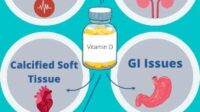
Calcium is meant to be delivered to bones and used in controlled ways. But when mineral regulation goes off-script—especially with persistently high intake—calcium can begin to deposit in tissues rather than in skeletal architecture. This is where nuance matters. Not every person experiences this, and causality is complex. Still, the theoretical and clinical concern is real enough to treat high-dose calcium without adequate vitamin D as a higher-stakes gamble.
Imagine calcium as pearls. Vitamin D is the jeweler’s vise and calibration. Without it, pearls can end up scattered in the wrong compartments—still pearls, but not in the necklace you intended.

Absorption Efficiency: The Illusion of “More”
High-dose calcium isn’t automatically high-value. Absorption can plateau, and gastrointestinal tolerance can become the bottleneck. When vitamin D is low, the efficiency drops further, meaning that a larger portion of the ingested calcium may pass through with limited benefit.
Some people experience constipation, bloating, or reflux-like discomfort with high calcium supplements. Those symptoms are more than inconveniences; they hint that the dose may be out of harmony with the body’s capacity. A low vitamin D status can magnify the problem by reducing the body’s ability to mobilize calcium appropriately.
This is why thoughtful dosing matters. The right quantity, at the right moment, with the right biochemical context is not a luxury—it’s a safety strategy.
Bone Health Outcomes: What You Think You’re Fixing vs. What You’re Actually Fixing
Calcium and vitamin D are often treated as roommates. But vitamin D doesn’t merely “support” calcium—it choreographs how calcium integrates into bone matrix. Vitamin D influences mineralization by facilitating calcium absorption and participating in bone remodeling processes.
If vitamin D is low, high-dose calcium may not translate into proportional improvements in bone density or fracture risk. Worse, it can foster a false sense of progress: you may be consuming a large amount of calcium while the biological machinery that makes bone stronger is still operating with insufficient fuel.
Strong bones are built by synchronized work—like an orchestra where calcium is the instruments and vitamin D is the conductor’s baton.
Who Is Most at Risk? The Vulnerability Map
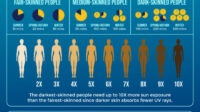
Some individuals have a higher likelihood of complications when combining low vitamin D with high calcium intake. Those with limited sun exposure, darker skin pigmentation, older age, malabsorption syndromes (such as celiac disease or inflammatory bowel disease), chronic kidney issues, or previous kidney stones should be especially cautious.
Medication patterns can also matter. Certain drugs affect vitamin D metabolism or calcium handling. If you are on long-term corticosteroids, anti-seizure medications, or therapies that influence mineral absorption, the “high-dose calcium without vitamin D” approach becomes even more precarious.
In other words, the risk isn’t evenly distributed. It accumulates where the body’s backup systems are already strained.
Symptoms and Warning Signs: When Your Body Sends a Distress Signal
Low vitamin D and high calcium intake may produce symptoms that overlap. For low vitamin D, there can be muscle weakness, bone discomfort, fatigue, or nonspecific aches. For high calcium intake—particularly when stones or imbalance are developing—watch for abdominal discomfort, constipation, excessive thirst, frequent urination, or signs of kidney irritation.
If a kidney stone is forming, pain may become sharp and wave-like. If imbalance is more systemic, symptoms can be subtler—yet the stakes are still significant.
Because symptoms can be ambiguous, the safest path is not guesswork. Testing and clinical guidance are the compass.
Safer Alternatives: Pairing Calcium With Vitamin D Intelligently
Rather than treating calcium and vitamin D as separate problems, consider them as components of the same mechanism. If vitamin D is low, correcting it can improve calcium absorption and reduce the likelihood of excess unutilized calcium. Many clinicians prefer to address vitamin D status before escalating calcium doses dramatically.
That doesn’t mean calcium is irrelevant. It means calcium should be managed with respect to absorption and tolerance, and vitamin D should be aligned to the body’s needs. Dietary calcium can also contribute, often with a different absorption profile and fewer side effects than large supplement doses.
A balanced regimen is not merely “moderation.” It’s intelligent coordination—like tuning an engine so fuel efficiency rises and overheating becomes less likely.
How to Decide: Practical Steps Toward Evidence-Based Dosing
Start with clarity: obtain blood tests for vitamin D (commonly 25-hydroxyvitamin D) and consider markers of calcium and kidney function depending on medical history. If there’s a history of stones or kidney disease, the threshold for “high-dose” calcium should be discussed carefully.
Then map your intake: estimate dietary calcium, review supplement labels, and consider timing. Splitting doses can improve tolerance for some people. And vitamin D may be taken with meals to support absorption.
The ultimate goal is not maximal dosing. It’s functional dosing—enough to serve bone and muscle without flooding the system’s exit routes.
The Bottom Line: High-Dose Calcium With Low Vitamin D Is a Misfiring Strategy
Taking high-dose calcium while vitamin D remains low can turn a nutrient plan into a risk profile. The central issue is not simply quantity; it’s control. Without adequate vitamin D, calcium absorption may fall, regulatory balance may wobble, and excess calcium may be more likely to be excreted or—less optimally—deposited.
Bone health is not built by stacking materials alone. It’s constructed by synchronized delivery and precise mineralization. Treat vitamin D as the conductor and calcium as the ensemble. When both are in tune, the performance can be protective rather than problematic.