In your 30s, the body starts sending quieter messages. Nothing dramatic usually happens overnight—just small, persistent shifts in how you absorb nutrients, how your muscles tolerate strain, and how quickly tissues repair themselves. Osteoporosis prevention often gets framed as a late-stage concern, but that framing misses the point. Bone is a living matrix, continually remodeled, and the “bank account” you build now can determine whether your future self feels resilient—or fragile. Surprisingly, the first step is not a workout myth or a miracle supplement. It’s a disciplined combination: a vitamin D strategy and calcium that actually serves its intended purpose. And once you understand why, it’s difficult not to feel fascinated by how elegantly biology can be guided.
Why “Later” Isn’t a Safe Plan
A common observation is that osteoporosis sounds like something that only affects older adults—post-menopausal years, advanced age, and the inevitable march of time. This belief is understandable, yet incomplete. Bone remodeling is always happening. In your 30s, you may still look strong, but the metabolic tempo subtly changes: peak bone mass was achieved earlier, and now the body may drift toward slower formation or slightly faster resorption. Think of it like a slow leak you don’t notice because the house still feels dry. Eventually, that dampness becomes structural.
There’s another layer that makes the topic oddly compelling. Bone isn’t dead scaffolding. It’s endocrine-adjacent, responsive to mechanical signals, and sensitive to nutrient availability. When calcium and vitamin D align properly, the body can allocate resources more wisely. When they don’t, the skeleton behaves as if supplies are uncertain, and it adjusts by becoming less dense. The deeper fascination is that prevention is not vague. It’s measurable, behavior-driven, and time-dependent.
Vitamin D: The “Key” That Unlocks Calcium’s Use
Calcium doesn’t act alone. Vitamin D functions like an enabling mechanism—an orchestration tool that helps the intestines absorb calcium and supports bone mineralization. Without adequate vitamin D, even a generous calcium intake can underperform. You might be consuming “enough” on paper, yet your body may still struggle to incorporate it into bone tissue.
Many people assume vitamin D is simply a supplement issue. In reality, it’s influenced by sun exposure, skin pigmentation, geographic latitude, seasonal variation, clothing habits, and even the amount of time spent outdoors. Some individuals—especially those with indoor lifestyles—become vitamin D insufficient without noticing. The deeper reason this matters is feedback: low vitamin D can trigger compensatory hormonal responses that redirect calcium handling in less optimal directions.
To keep this simple and practical, focus on regular strategies rather than sporadic bursts. Light exposure, dietary sources, and—when appropriate—supplementation guided by health professionals can help maintain a functional vitamin D level. The goal isn’t to chase maximal numbers. The goal is to keep the system calibrated so bone receives what it needs at the time it needs it.
Calcium: More Than a Number on a Label
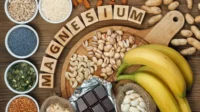
Calcium is the primary mineral component of bone. But not all calcium is equally useful, and “more” isn’t always better. Absorption efficiency varies by the form of calcium, meal timing, and overall dietary context. Additionally, calcium interacts with other nutrients—such as magnesium and vitamin K2—that support bone quality, not just density.
A helpful way to think about calcium is as a delivery schedule. If you consume a large dose at once, absorption may plateau. Dividing intake across meals can improve utilization. Dairy products, fortified plant milks, yogurt, cheese, and certain leafy greens can contribute reliably. Still, some people prefer supplements to close gaps, particularly if dietary intake is inconsistent or constrained.
It’s also worth addressing an overlooked nuance: bone health is not solely about mineral quantity. Bone architecture—microstructure, turnover balance, and collagen integrity—contributes to fragility risk. Calcium is central, but it’s not the only character in the plot.
The “D + Calcium” Partnership: How the Body Finishes the Job
Picture a two-step process. Vitamin D increases calcium availability in the bloodstream and improves intestinal absorption. Calcium then becomes material for bone mineralization. When both are sufficiently present, the body can proceed with remodeling in a more constructive direction. When one is missing, the workflow stalls and the skeleton compensates.
In your 30s, this partnership deserves attention because the timeline matters. Osteoporosis typically presents later, but the risk is cultivated earlier. This is why prevention can feel oddly futuristic: you’re acting on tomorrow’s structure today. It’s a rare kind of foresight where small daily choices may have compounding consequences.
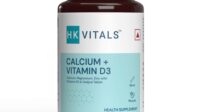
If you’re considering supplements, a thoughtful approach matters. Keep doses within recommended ranges, distribute calcium through the day, and align vitamin D with practical measurement when possible. Over-supplementation can create its own problems. The objective is steadiness, not intensity.
Food First, Then Precision: Building a Bone-Friendly Plate
Start with meals that naturally support calcium and vitamin D pathways. For calcium, consider dairy (if tolerated), fortified alternatives, tofu set with calcium, sardines with bones, and certain greens like bok choy. For vitamin D, dietary options are fewer, so fortification and safe sun exposure often play larger roles. Eggs and fatty fish can help, but they’re not typically sufficient on their own for many people.
Here’s where narrative meets strategy: when people fail at prevention, it’s often not because they “didn’t care.” It’s because they expected one nutrient to do all the work. A plate approach corrects that misunderstanding. It makes bone health a system: calcium supplies mineral; vitamin D supports absorption; protein supplies building blocks; and other micronutrients help maintain structural quality.
Even the timing of meals can matter. Consuming calcium alongside other nutrients can reduce gastrointestinal discomfort and may improve uptake. Consistency beats occasional perfection.
Movement as a Signal: The Skeleton Likes to Work
Nutrition provides raw materials, but bone health also requires mechanical input. Weight-bearing and resistance exercises tell the body that bone is needed. That feedback encourages remodeling toward greater strength and helps counterbalance age-related drift in bone density.
In your 30s, it’s tempting to think the body will automatically adapt to any exercise. It won’t always. Bones respond best to specific loading patterns—impact, progressive resistance, and varied movement. A balanced program might include strength training at least a couple times per week, plus weight-bearing activity like brisk walking, hiking, or stair use.
Long sentences tend to hide the point, so here is the point plainly: your bones become denser when they are challenged appropriately. This is one of the most elegant facets of prevention. You’re not only consuming nutrients; you’re sending signals that determine how those nutrients are used.
Lifestyle Factors That Quietly Shape Risk
Several habits can undermine bone health even when calcium and vitamin D are addressed. Smoking can impair bone formation and vascular support. Excessive alcohol can interfere with vitamin D metabolism and damage bone remodeling. Sedentary patterns reduce mechanical loading. Poor sleep, chronic stress, and inflammatory conditions can further tilt the hormonal environment.
Additionally, caffeine intake may affect calcium balance in some people, particularly when dietary calcium is already low. The most resilient strategy is moderation combined with sufficient calcium intake. When the system has adequate reserves, minor dietary fluctuations usually cause less damage.
Common Misconceptions (and Why They Persist)
One misconception is that osteoporosis prevention begins only after a diagnosis of “low bone density.” That’s like waiting to repair a foundation after a crack becomes visible. Another is that calcium alone guarantees protection. Calcium is essential, but without vitamin D—or without adequate exercise—its benefits can be muted.
Some believe only women need to worry. Osteoporosis affects men too, often later diagnosed. Yet risk factors accumulate for both sexes through similar mechanisms: reduced intake, low vitamin D status, insufficient activity, and age-related remodeling shifts.
These myths persist because they simplify a biological process that is anything but simple. Bone remodeling involves hormone signaling, mineral transport, collagen integrity, and mechanical adaptation. That complexity is exactly why prevention is powerful: when you support multiple pathways at once, the outcome improves.
When to Consider Testing and Professional Guidance
If you have limited sun exposure, dark skin pigmentation, gastrointestinal disorders affecting absorption, a history of fractures, or dietary restrictions, discussing vitamin D status and overall bone health with a clinician can be useful. Blood tests may help determine whether supplementation is truly needed and in what direction. Sometimes, evaluating dietary intake and lifestyle patterns provides clearer answers than guessing.
Bone density scans are typically reserved for specific risk thresholds, but the broader prevention mindset begins earlier. In your 30s, the best practice is proactive calibration: check assumptions, correct gaps, and build routines that can last decades.
A Practical Start in Your 30s: The Gentle Plan That Works
Start with a simple checklist. Ensure calcium intake through food and/or supplements in appropriate daily ranges. Support vitamin D via safe sun exposure, fortified foods, and—when indicated—supplementation. Pair it with resistance training and regular weight-bearing movement. Add habits that protect the remodeling environment: avoid smoking, keep alcohol moderate, and prioritize sleep and balanced nutrition.
Prevention doesn’t have to feel dramatic. It can feel steady. And steady is exactly what bone health responds to—consistent mineral support, consistent vitamin D availability, and consistent mechanical signaling. When those elements converge, osteoporosis risk becomes something you manage rather than something that simply happens.
There’s a peculiar kind of hope in that realization. Your 30s aren’t “too early” or “too late.” They are the window when effort can be most influential. Begin with D and calcium, then let movement and consistency do the rest.