Can something so sun-kissed be secretly stage-diving into your hair care routine? It’s a deliciously paradoxical question: high-dose vitamin D might be great for overall health, yet some people worry it could also usher in unexpected shedding. Before you blame the sunshine, let’s untangle the biology, the timing, the dosage dynamics, and the real-world confounders that can make vitamin D feel like the villain—when it may only be the messenger.
Vitamin D: the hair follicle’s quiet backstage player
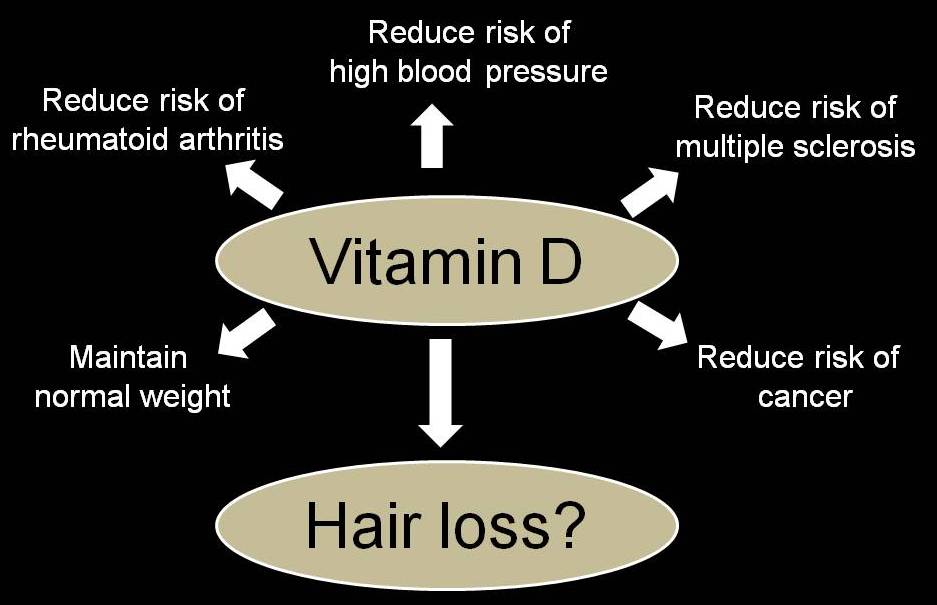
Vitamin D is often discussed in the context of bones and immunity, but it also participates in hair follicle cycling. Hair follicles possess vitamin D receptors, meaning this nutrient can influence how keratinocytes behave and how follicular units progress through their growth and resting phases. In plain terms: vitamin D doesn’t “create” hair by itself, but it can affect the environment in which hair decides whether to thrive.
When vitamin D levels are chronically low, the follicle’s signaling network may become less harmonious. That’s why addressing deficiency is frequently helpful. Yet, the human body is not a one-way dial. Increase the signal too far, or in a way the body can’t buffer, and the storyline changes.
The paradox: why “more” isn’t always “better”
High-dose supplements can sometimes create a paradoxical experience—where you take vitamin D to improve health, but later notice more shedding. This can feel infuriating, especially if you expected a glowing before-and-after transformation. The paradox isn’t mythical; it’s rooted in physiology.
Vitamin D is fat-soluble, which means it can accumulate. Unlike some water-soluble vitamins that are more easily excreted, vitamin D can build up when dosing overshoots what your body can safely metabolize. Elevated levels may indirectly disturb other pathways involved in hair cycling, inflammation balance, and nutrient interactions.
It’s also worth noting an uncomfortable truth: hair shedding rarely begins exactly when you start a supplement. The follicle cycle runs on its own schedule. A late onset can make cause-and-effect feel upside down.
First suspect: hypervitaminosis D and the downstream chaos
At very high doses, vitamin D can trigger hypervitaminosis D, a condition typically associated with elevated calcium levels (hypercalcemia). Calcium is essential—but excess calcium can affect cellular behavior. Cells talk to each other through signals that depend on tight ion balance. When that balance is disrupted, the body may respond with inflammatory signaling and altered keratinocyte function.
Hair is not a simple “calcium-dependent” system, but it is exquisitely sensitive to systemic changes: stress hormones, inflammatory cytokines, nutrient availability, and metabolic shifts. If high-dose vitamin D nudges the body into a calcium imbalance, the follicle may interpret it as a stressor, potentially resulting in increased shedding.
Watch for systemic red flags if you’re taking large doses: unusual thirst, frequent urination, constipation, nausea, muscle weakness, or kidney-related discomfort. Those symptoms are not “hair-related,” but they matter because they suggest the supplement is doing more than you bargained for.
Second suspect: timing and telogen effluvium—shedding’s delayed plot twist
One of the most common explanations for “my hair started falling after I began supplement X” is telogen effluvium. This phenomenon is essentially a timing issue. Hair follicles can shift from the growing phase (anagen) into the shedding phase (telogen) in response to physiological stress, but the shedding often becomes visible weeks later.
Vitamin D might not directly “cause” the shedding in the moment. Instead, high dosing could coincide with other stressors—diet changes, illness, psychological stress, weight fluctuations, hormonal shifts, or even seasonal transitions. The result can be a shedding pattern that begins after the trigger, not at the same time.
So the hair may be performing a delayed curtain call. It’s less “instant blame,” more “echo effect.”
Third suspect: nutrient cross-talk—when one nutrient displaces another
Vitamin D is a team player that relies on an ecosystem of nutrients. Consider the interactions: calcium, magnesium, vitamin K2, and possibly zinc and iron all have roles in cellular signaling and metabolic regulation. If high-dose vitamin D is taken without the supporting nutrients that help regulate calcium metabolism, the body may compensate in unexpected ways.
This doesn’t mean everyone must stack supplements. It means that hair is a high-sensitivity output. Subtle metabolic shifts can manifest as shedding, especially if you were previously borderline deficient in one of the companion nutrients.
Uncommon but real possibility: excessive vitamin D can amplify imbalances. The follicle doesn’t read labels—it reads physiology.
Who is most vulnerable to a paradoxical effect?
Not everyone reacts the same way to supplementation. Some people are more susceptible due to baseline levels, genetics, body fat composition, kidney function, and co-existing conditions. If you began with severe deficiency, a corrective plan may be beneficial. But if your vitamin D level was already sufficient—or if you have a predisposition to elevated calcium—high dosing could be a risky overcorrection.
People with kidney disease, those prone to kidney stones, and those taking medications that affect calcium metabolism should treat high-dose vitamin D as a high-stakes variable. Likewise, anyone on certain thiazide diuretics or with granulomatous disorders should be especially cautious.
In other words: the “right” dose is not just about the number—it’s about the context.
How to tell shedding from coincidence (and what to check)
Hair loss has many disguises. And each disguise has different causes. To distinguish a vitamin D-related paradox from other patterns, look for clues:
Pattern: diffuse shedding across the scalp can fit telogen effluvium, while patterned thinning may suggest androgenetic alopecia.
Timing: if shedding begins 6–12 weeks after starting or changing supplements, that timing supports a telogen effluvium hypothesis.
Associated symptoms: fatigue, digestive changes, or signs of hypercalcemia strengthen the “overshoot” theory.
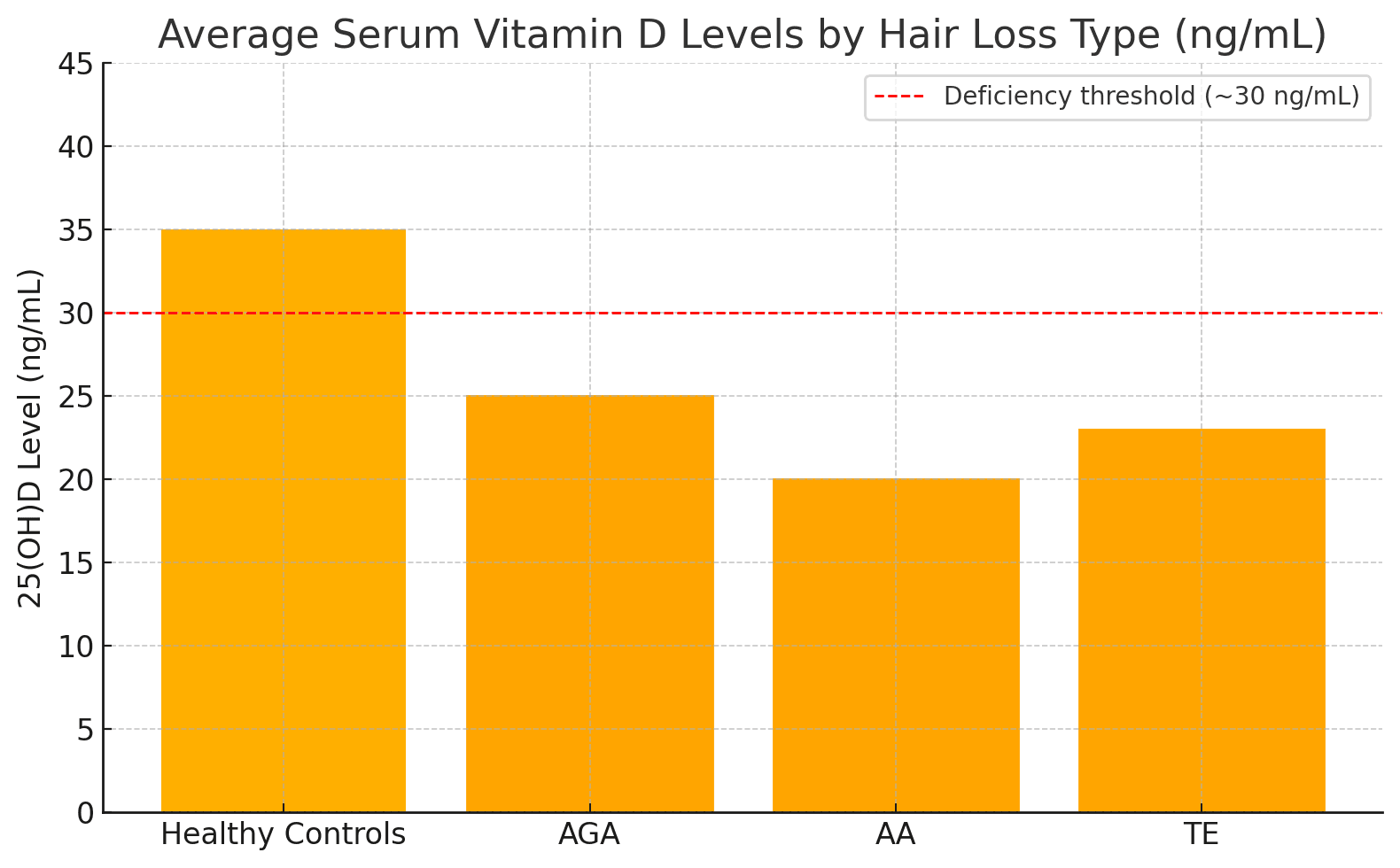
Lab checkpoints: a clinician may evaluate serum 25(OH) vitamin D, calcium, and sometimes related markers, depending on risk factors.
These steps won’t magically prove causation, but they can transform guesswork into evidence-based decision-making.
Safe strategy: move from megadoses to measured correction
If you’re considering supplementation—or if you’re already taking high doses—think in terms of calibration rather than exuberance. A measured correction plan usually begins with knowing your baseline through testing. Then dosing can be adjusted toward a target range that supports health without oversaturating your system.
In many cases, the smartest move is not to “stack higher,” but to “stack smarter”: confirm levels, reassess dose after a defined interval, and avoid indefinite high dosing without monitoring.
Hair doesn’t respond to panic. It responds to stability.
What to do if shedding starts after starting vitamin D
If you notice increased shedding after high-dose vitamin D, don’t treat it like a moral failure or a personal curse. Treat it like a data signal. Pause and reassess.
First, stop and check dosing amounts. Second, consider whether the supplement was changed recently—dose increases can matter more than people expect. Third, evaluate concurrent stressors and diet shifts. Fourth, consider medical evaluation and appropriate lab testing to rule out overshoot.
Meanwhile, support your hair’s resilience: prioritize protein adequacy, address iron deficiency if present, manage scalp inflammation, and maintain a consistent routine. Consistency is an antidote to chaos.
The takeaway: vitamin D can help, but the “dose makes the spell”
Vitamin D is not a hair villain by default. Yet the paradoxical possibility—high-dose vitamin D contributing to shedding—deserves respect. The mechanism may involve oversaturation, metabolic ripple effects, nutrient cross-talk, or delayed shedding patterns that coincide with systemic stress.
So the playful question becomes a serious principle: the goal isn’t maximum vitamin D. The goal is the right vitamin D, in the right dose, at the right time, for your unique physiology.
When it comes to hair, subtlety wins. Too little can leave follicles under-supported. Too much can tip the balance. The wisest path is measured, monitored, and patient—because hair growth follows a slow rhythm, even when your concerns feel immediate.