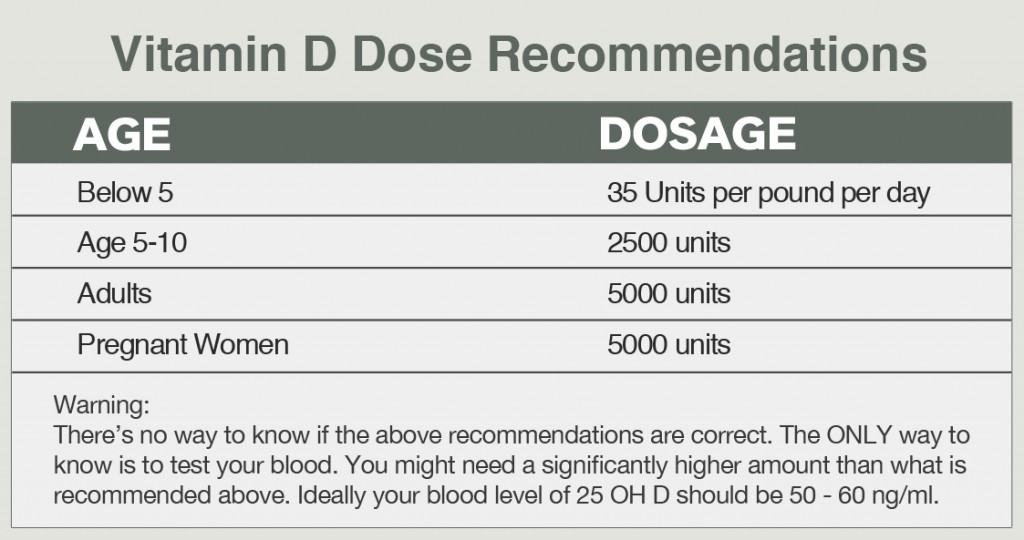
Ever notice how winter quietly steals your sunlight—then asks you to “just get enough vitamin D” as if your living room had a tiny tanning booth? That’s the potential challenge: in many parts of the United States, daylight duration shrinks, angle of sun changes, and outdoor exposure becomes… optimistic rather than consistent. So how do you keep your vitamin D steady when the seasons turn? Let’s build a winter-friendly vitamin D protocol, with a focus on dosage timing, because timing can be as important as the number on the label.
Why winter makes dosage timing matter more
Vitamin D isn’t a quick-boost nutrient. It behaves more like a slow-building infrastructure project—one where consistent supply supports your body’s long-term balance. In winter, reduced sun exposure can lead to lower vitamin D status, and the body may be less able to “catch up” on its own. That’s where timing enters the storyline.
When you take vitamin D influences how smoothly it’s absorbed and how reliably it shows up in your system. Vitamin D is fat-soluble, which means it tends to travel better when paired with dietary fat. Your routine should therefore consider not just dose, but also the meal context and the time of day.
Here’s a playful question to hold onto: if sunlight disappears at 4:30 p.m., shouldn’t your vitamin D plan adapt at the same hour—rather than hoping you’ll remember someday?
The absorption rule: take it with a meal (not an empty stomach)
Many people treat supplements like isolated errands—swallow, check, move on. But vitamin D is different. It is fat-soluble, so taking it alongside a meal that contains some fat can enhance absorption. Think of your digestive system as a careful logistics hub: without dietary fat, the shipment may not travel as efficiently.
Practical approach: choose a meal you actually eat consistently. Many find breakfast or lunch to be the most reliable options, especially when winter routines become chaotic.
Short version: pair vitamin D with food, preferably containing fat. Long version: you’re aiming for a smoother absorption curve, which can support steadier blood levels over time.
Morning vs. evening: when should you take it?
There’s no universal “one clock fits all,” but patterns matter. Morning dosing can work well because it’s easier to anchor to a daily ritual—coffee, breakfast, vitamins. Evening dosing can also be effective, especially for people who forget in the morning.
Consider this: vitamin D doesn’t typically cause noticeable stimulation for most people, so it’s rarely a sleep-disruptor. That said, some individuals prefer to avoid stacking supplements at night if they’re already taking multiple products or medications. If your winter schedule is a conveyor belt of responsibilities, choose a time that fits your lifestyle like a well-tailored coat.
A helpful heuristic: if your meal timing is consistent, take it consistently. If your meals are chaotic, pick a time when you’re usually well-fed—then keep it steady for weeks.
How much to take: aligning dose with your needs
Vitamin D dosing can vary widely based on baseline levels, body weight, diet, sun exposure, age, and whether you have a documented deficiency. The “right” dose isn’t merely a number—it’s a personalized target.
Some people benefit from conservative maintenance dosing year-round. Others—especially those with low levels—may require a higher short-term dose before transitioning to maintenance. Because vitamin D is fat-soluble, extremely high dosing without guidance can carry risks.
If you’re unsure, the most empowering approach is to pair your winter protocol with testing. Blood measurement—often described as 25-hydroxyvitamin D—is the usual compass for adjusting dosage. Without that compass, you might still start a reasonable plan, but it’s wise to avoid extreme dosing strategies.
Playful challenge: can you resist the internet urge to “guess” your way to optimal vitamin D? The more strategic path is to use symptoms and habits as clues, and lab results as a roadmap.
A practical winter schedule: consistency beats intensity
Think of a vitamin D protocol as a season-long habit, not a weekend project. Most people do best with a steady schedule—daily or weekly—rather than sporadic “catch-up” dosing.
Two common strategies exist:
Daily dosing: often easiest for habit formation and can support steady intake.
Weekly dosing: convenient for those who prefer fewer pills, but still requires consistency.
Key idea: regardless of daily or weekly timing, take vitamin D with a meal. If you choose weekly dosing, anchor it to a meal that you know you’ll eat without fail.
Consistency supports the body’s slow-moving processes. Sudden spikes can be less ideal than predictable rhythm—especially when your goal is stable winter levels.
Spotting common “timing mistakes” that sabotage results
Here are frequent pitfalls—like tiny gremlins hiding in the routine:
Skipping meals when taking vitamin D: without dietary fat, absorption may be less efficient.
Forgetting weekends: missing two days here and there might be fine, but repeated inconsistency can dilute effectiveness.
Changing schedules frequently: taking it at random times makes it harder to maintain a predictable pattern.
Stacking with conflicting supplements: while vitamin D doesn’t have the same “interaction drama” as some minerals, your overall supplement stack should be coherent. If you take magnesium, calcium, or other fat-soluble vitamins, consider how they fit into your meal timing.
Ignoring labs: if you’re treating a deficiency or have risk factors, timing alone isn’t enough—you’ll want periodic checks to ensure your protocol is landing where it should.
Who should be extra intentional in winter
Winter can be more challenging for certain groups. People with limited sun exposure due to geography or lifestyle may need a more structured plan. Those with darker skin pigmentation may require careful dosing strategies since vitamin D synthesis from sunlight can be lower. Older adults may also produce vitamin D less efficiently.
Additionally, conditions affecting fat absorption—such as certain gastrointestinal disorders—can make supplement timing and formulation especially important. In these situations, a clinician-guided plan can be invaluable.
If you’ve ever wondered, “Why am I trying so hard and still feel low?” your answer may not be willpower—it may be physiology, absorption, or inconsistency in timing.
Form matters: D2 vs. D3 and the “how” of taking it
Vitamin D supplements commonly come as D2 or D3. Many people prefer D3 for supplementation, but what matters most for timing is how you take it: with food, at a consistent time, and within an appropriate dose range.
Consider the delivery method too. Capsules, softgels, drops, and gummies vary in convenience and consistency. If you take drops, measure carefully and pair with a meal. If you take a capsule, take it with water and food—then let the routine become automatic.
The body responds to patterns. Make it easy to follow your plan on the days you’re tired, not just the days you’re organized.
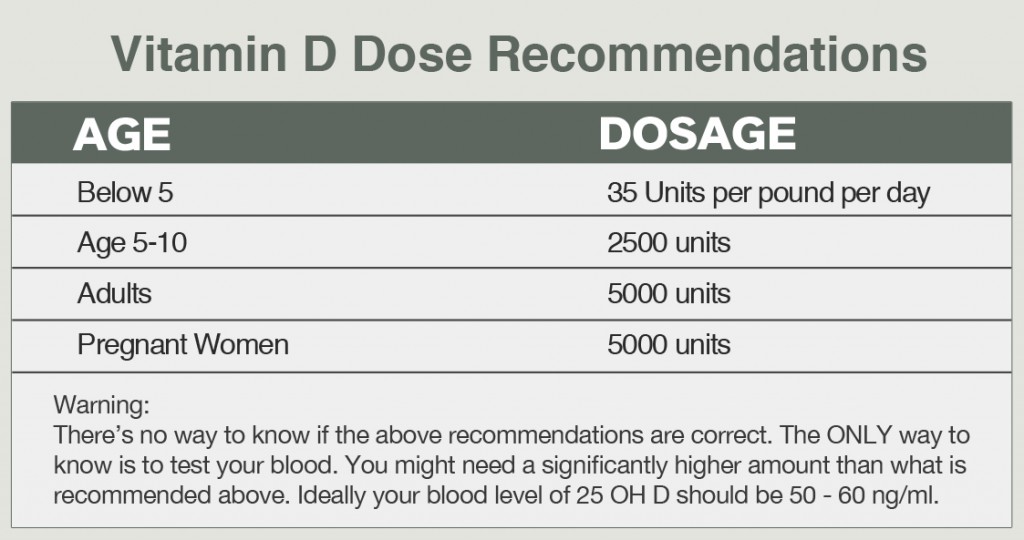
A visual guide to help you plan the winter protocol
A dosage-timing protocol becomes simpler when it has a visual anchor. Use a chart or reference as a daily reminder: dose amount, frequency, and meal pairing. The goal is not to obsess—it’s to reduce friction so your winter plan actually happens.


How long to follow the protocol and when to recheck
Winter protocols work best when they’re given time. Vitamin D status typically changes over weeks, not days. If you’re correcting a deficiency, a clinician may recommend a period of higher dosing, followed by maintenance. If you’re maintaining or preventing deficiency, a steady schedule can be enough—especially when paired with reasonable diet and occasional safe sunlight exposure when available.
Rechecking labs can help you fine-tune timing and dose. If results are low despite consistent meal-paired dosing, it might point to absorption issues, an inadequate dose, or the need for a different plan. If results are high, you may need to adjust to avoid overshooting.
So here’s the closing challenge: will you treat vitamin D like a seasonal “maybe,” or like a deliberate winter protocol with a schedule you can actually keep? The best plan is the one that survives the first snow day.