For athletes, training is a symphony—intervals, strength work, recovery, nutrition, sleep—each note tightly timed. Yet beneath the visible score sits an invisible conductor: vitamin D. A vitamin D blood test is how you check whether that conductor is keeping rhythm. When levels drift too low, performance can feel like running with sand in the bearings: the body still moves, but efficiency thins. When levels are appropriately tuned, energy pathways seem to “open,” muscles respond with greater reliability, and resilience can improve. The key is not guessing. It’s measuring.
Why Vitamin D Matters for Athletic Performance
Vitamin D is often described as a bone nutrient, but athletes experience it as a systems signal. It influences calcium and phosphorus handling—critical for skeletal integrity and neuromuscular functioning. More subtly, it may affect inflammation tone, muscle contractility, and immune modulation. Imagine your training load as a furnace. Vitamin D doesn’t magically fuel the fire, but it changes how cleanly the furnace burns and how consistently it sustains heat.
Low vitamin D has been associated with higher rates of stress-related injury risk and slower recovery in some athletic contexts. It can also correlate with fatigue that feels stubborn, like a persistent background hum. Athletes sometimes interpret this as “just overtraining,” but vitamin D insufficiency can mimic that sensation—partly because it nudges physiological systems toward less optimal signaling.
What a Vitamin D Blood Test Actually Measures
The common metric is 25-hydroxyvitamin D, often written as 25(OH)D. This is the main circulating form and a practical indicator of overall vitamin D status. A blood test doesn’t capture instant changes from day-to-day sun exposure with perfect precision. Instead, it provides a more stable snapshot of your vitamin D “reserve,” which is what your body draws upon to maintain function.
In testing, you’re essentially checking the stored lighting in your internal gym: enough illumination for muscle and immune pathways to work without flickering. Lab ranges can vary slightly across facilities, but the interpretation hinges on whether you’re in the insufficient, sufficient, or potentially optimal window for athletes.
Target Ranges: What “Optimal” Looks Like for Athletes
Unlike a casual vitamin boost, athlete-oriented targets prioritize consistency and resilience under training stress. Many clinicians and sports nutrition frameworks consider the following general interpretation ranges for 25(OH)D:
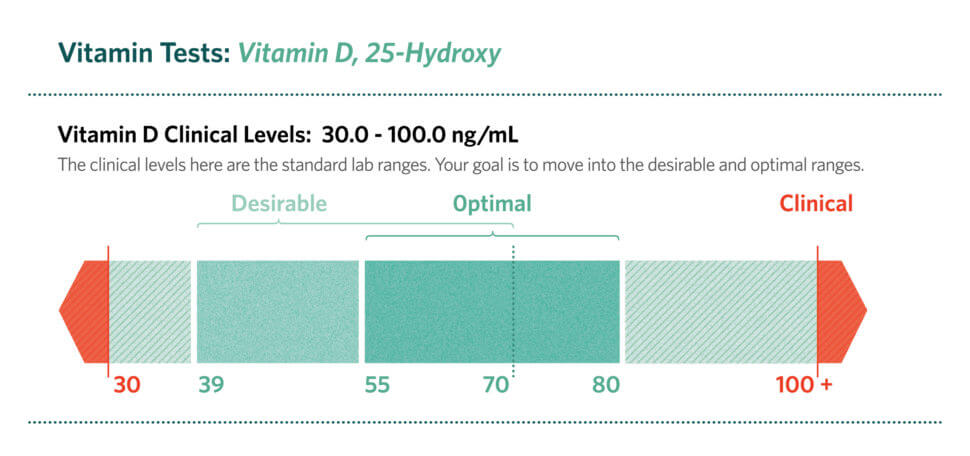
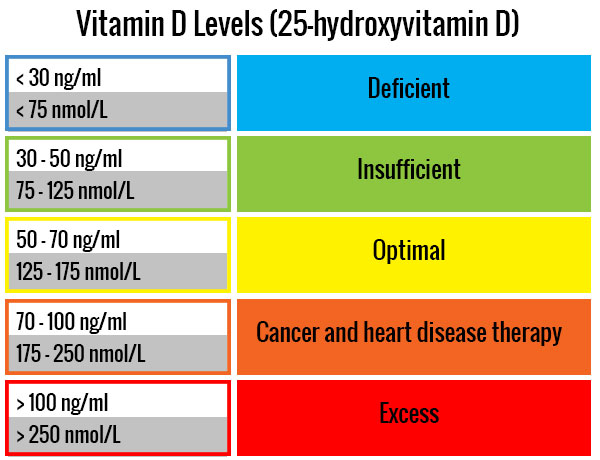
Deficiency/insufficiency: often below ~20 ng/mL (50 nmol/L). In this zone, you may be more likely to experience issues with bone health support, muscle function signaling, and recovery efficiency.
More sufficient zone: commonly ~20–30 ng/mL (50–75 nmol/L). Many people feel best within this bracket, especially if they also manage diet and sunlight exposure.
Potentially optimal for athletic readiness: often around ~30–40 ng/mL (75–100 nmol/L). This is the “steady floodlight” range—bright enough for physiology to run smoothly without requiring constant emergency adjustments.
Upper caution zone: while laboratory norms vary, excessively high levels may raise safety concerns over time, particularly with high-dose supplementation. Athletes should avoid reckless megadosing, even if motivation is strong.
Think of vitamin D like tuning a guitar. Too low, and the strings buzz. Too high, and you may stretch the system beyond comfort. The performance sweet spot is usually moderate, measured, and sustainable.
Testing Frequency: When Athletes Should Check Levels
Timing matters. Vitamin D levels fluctuate due to seasonality, latitude, skin exposure, outdoor training time, and clothing practices. A single test can be useful, but athletic planning often benefits from strategic retesting—especially after changing supplementation, during a new training phase, or following a seasonal shift.
Common patterns include checking at the end of summer or early fall (when levels may be higher), then again mid-winter or early spring (when levels may have dipped). If an athlete is deficient and begins a structured supplementation plan, retesting after an appropriate interval helps confirm that the strategy is working and that the body has not overshot the target.
Interpreting Results: Beyond the Number
A vitamin D test is powerful, but it’s not solitary. Performance is multi-variable: sleep quality, carbohydrate availability, protein adequacy, training load, iron status, magnesium intake, and endocrine balance all interact. Vitamin D fits into that ecosystem.
Interpreting your result requires context. For example, athletes who spend most of their time indoors may show low levels despite otherwise excellent nutrition. Conversely, athletes who are outdoors frequently may maintain higher levels but still show suboptimal results if intake is low or if there’s limited conversion efficiency.
Also consider that kidney health, liver function, medication use, and absorption issues can alter vitamin D status. If a result is unexpectedly low or resistant to correction, clinicians may evaluate related factors such as calcium balance or gastrointestinal absorption patterns.
How Sunlight, Food, and Supplements Change the Curve
Vitamin D arrives through multiple doors: sunlight exposure, dietary intake, and supplementation. Sunlight is efficient but highly variable—cloud cover, sunscreen use, skin pigmentation, geographic location, and time of day all modify the outcome. Diet can contribute, but food alone often struggles to meet athletic-level needs unless intake is deliberate and consistent.
Supplements, when properly dosed, allow athletes to steer the curve. The goal is not to chase a number like a trophy; it’s to maintain a physiological environment where muscles and bones can respond predictably to training. A structured approach usually begins with correcting insufficiency, then transitioning into a maintenance dose tailored to activity, season, and measured response.

Designing a Practical Plan After Testing
Once results are known, athletes can act with precision. A practical plan often includes three layers: (1) targeted supplementation aligned with the deficit, (2) realistic adjustment of lifestyle exposures and dietary sources, and (3) scheduled retesting to confirm the new equilibrium.
Suppose a blood test shows insufficiency. The immediate phase usually focuses on raising levels into the sufficient or athlete-optimal window. After reaching that range, the plan typically shifts to maintenance—smaller, steadier doses rather than repeated high boosts. Steadiness is the advantage: consistent vitamin D status supports consistent neuromuscular and recovery readiness.
Short sentences work here because athletes appreciate clarity. Measure. Act. Recheck. Then train with confidence.
Safety Considerations and Avoiding the “Too Much” Trap
Vitamin D is fat-soluble, which means excess can accumulate. That doesn’t mean athletes should fear it. It means athletes should respect dosing boundaries and professional guidance—especially if using higher-dose regimens or if multiple supplements contain vitamin D.
Symptoms of toxicity are uncommon when dosing is sensible, but risk increases with prolonged high intake without monitoring. The smartest safety habit is measurement. If the plan includes high initial correction, retesting helps ensure the body lands in the target window rather than overshooting.
Think of vitamin D like electrolytes. You want enough to support output, not so much that balance breaks.
Common Misconceptions: What Athletes Often Get Wrong
One misconception is that vitamin D is only relevant for bone strength. Athletes care about muscle function, injury resilience, and inflammation management, too. Another misconception is that “feeling tired” always equals overtraining; sometimes it’s a biochemical signal quietly mimicking fatigue.
Another myth is that if you’re indoors most days, nothing can help. Indoor athletes can correct through supplementation and diet, and they can optimize timing of limited sunlight exposure when appropriate. The body responds to consistent inputs, not dramatic one-off efforts.
Tracking Performance Outcomes: Linking Levels to Training Readiness
After optimizing vitamin D, athletes can assess outcomes using training readiness metrics. Consider correlating vitamin D adjustments with changes in subjective recovery, frequency of minor injuries, perceived muscle sharpness, and tolerance to high-intensity sessions. Recovery is not a single feeling; it’s a pattern.
Long sentences can describe it, but the practical insight is simple. When levels improve, some athletes notice fewer “mystery setbacks,” steadier energy, and smoother transitions between training blocks. Those observations are meaningful, especially when they align with repeat lab values.
Conclusion: Make the Test Your Competitive Edge
A vitamin D blood test is more than a lab appointment. It’s a performance instrument—an evidence-based way to tune your internal conditions for training stress. Target levels for athletes often center around sufficient, and frequently a potentially optimal window near 30–40 ng/mL (75–100 nmol/L), with safety guided by cautious dosing and follow-up testing.
When athletes treat vitamin D like a controllable variable—measured, adjusted, and sustained—their training stops being guesswork and becomes calibration. The metaphor is elegant: vitamin D is the quiet daylight inside the body. The blood test tells you whether that daylight is bright enough to power your season.