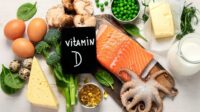
There’s a quiet elegance in pairing food and supplements—like giving your body two synchronized signals at once. Vitamin D supports calcium absorption, immune coordination, and healthy musculoskeletal function. Meanwhile, fatty fish provides a natural treasure trove of nutrients that can amplify the effect of supplementation. This article explores the best fatty fish choices for a “double boost,” blending culinary pleasure with biochemical practicality. Expect a guided tour through flavors, nutrient profiles, serving strategies, and the small details that make the difference between casual intake and genuinely supportive routines.
What “Double Boost” Really Means: Vitamin D Meets Fatty Fish Nutrition
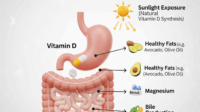
A double boost isn’t merely about taking a pill and eating dinner. It’s about optimizing alignment—timing, nutrient synergy, and consistency. Vitamin D is fat-soluble, so dietary fats help with absorption. Fatty fish brings more than fat; it also supplies omega-3 fatty acids (EPA and DHA), protein, and minerals that support anti-inflammatory signaling pathways.
While fish don’t all contain the same vitamin D levels, many fatty varieties contribute meaningful amounts—especially when they’re wild-caught or processed with minimal nutrient loss. When you combine supplementation with regular fatty fish meals, you’re essentially creating a more favorable nutrient environment. Think of it as giving your digestion and bloodstream a smoother route to usable vitamin D.
Top Contender: Salmon (Atlantic or Sockeye) for Omega-3 and Supplement-Friendly Fats
Salmon is a perennial favorite for a reason. Its rich omega-3 content and satisfying texture make it both practical and enjoyable. When you eat salmon alongside vitamin D supplementation, you’re pairing a fat-soluble vitamin with a meal that naturally travels through similar absorption pathways.
Beyond the “double boost” angle, salmon’s profile supports cardiovascular health and joint comfort—often a concern for people who rely on supplements to keep vitamin D levels steady, particularly during low-sun seasons. Short sentence, long impact: consistency matters.
Choose options such as wild-caught salmon or responsibly farmed salmon. If you’re buying canned salmon, look for intact bones if you’re aiming for calcium co-benefits.

Sardines: The Small Fish with a Big, Nutrient-Dense Signature
Sardines are the nutritional underdog that deserves more table time. They’re compact, flavorful, and often packed with minerals. Many people overlook sardines because of their bold taste and anchovy-adjacent character, yet that intensity is part of the appeal—think oceanic richness rather than blandness.
Sardines can be an especially strategic companion to vitamin D supplements due to their healthy fats and potential vitamin D contribution. If you prefer an easy routine, sardines in olive oil are a low-effort option—open, serve, and you’re done. Pair them with lemon, whole grains, or leafy greens to balance the savory notes.
For uncommon culinary sophistication, mash sardines with yogurt or tahini and spread the mixture on toast. It’s quick, it’s nourishing, and it turns a supplement-support meal into a ritual.
Mackerel: A Flavorful Choice for Robust Omega-3 and Nutrient Synergy
Mackerel is often described as bold or assertive—and that’s accurate. Its flavor can be slightly smoky or peppery depending on preparation, but its nutritional value is reliably impressive. Like salmon, it’s a fatty fish that aligns well with vitamin D’s fat-soluble nature.
For best results, mackerel can be roasted, grilled, or even enjoyed in simple preparations like pan-searing with herbs. Short sentence: don’t overcook. Overcooking can dull texture and dry the flesh, making it harder to keep the habit.
If you’re supplementing during winter or living far from strong sunlight, mackerel meals may help you maintain a steady nutrient intake. The goal isn’t perfection; it’s a rhythm your body can expect.
Trout (Especially Rainbow Trout): A Balanced Option with a Pleasant Profile
Trout offers a gentler flavor than many ocean fish. It’s frequently perceived as “clean” and adaptable, making it a great entry point if you’re building a new diet strategy. Its fat content varies by species and farming practices, but many trout options still provide enough healthy fats to support vitamin D absorption.
Roasting trout with garlic, dill, and a squeeze of citrus keeps the meal bright. Serve it with roasted vegetables or a grain bowl. Longer sentences are often the narrative of healthy eating: you want sustainable choices, not only impressive ones. Trout is sustainable.
When you pair trout with vitamin D supplements, aim for a meal format that includes some dietary fat—olive oil, avocado, or a moderate drizzle of sauce—so the supplement has an effective pathway.
Herring: A Traditional Superchoice for Omega-3 and Mineral Richness
Herring has a long culinary history and a reputation for being both flavorful and nutrient-dense. It’s a fatty fish that can fit well into a vitamin D supplement routine, particularly when you choose preparations that preserve its nutritional integrity.
Some people may be hesitant because of the strong taste, but that can be managed. Choose pickled or smoked herring thoughtfully, and balance it with fresh components—cucumber, onions, boiled potatoes, or whole-grain rye. The combination of tanginess and freshness creates a satisfying contrast.
If you’re using supplements, consider taking vitamin D with a meal that includes herring and healthy fats, rather than on an empty stomach. The stomach is often the gatekeeper; treat it well.
How to Time Supplements with Fish Meals for Better Absorption
Timing is not superstition. Vitamin D’s fat-soluble nature makes it more effective when paired with dietary fat in the same window. Many people take supplements with breakfast or the evening meal—choose what fits your lifestyle and has a consistent fat component.
Try aligning vitamin D with a fatty fish serving on days you eat it. If you eat salmon, sardines, or mackerel at dinner, consider taking the supplement with that meal or shortly before it. Short sentence: keep it consistent.
If your supplement instructions differ, follow the label. However, the general rule remains: fat-containing meals often improve the supplement’s absorption. Fatty fish naturally offers that foundation.
Portion Sizes and Practical Frequency: How Often Should You Eat Fatty Fish?
You don’t need to eat fatty fish every day to create meaningful support. Many health guidelines commonly align with roughly 2 servings per week for adults, but individual needs vary. If you’re using vitamin D supplements, you may benefit from a steady weekly plan rather than sporadic intake.
Start with a simple cadence: one salmon meal plus one sardines or mackerel meal each week. That alone can help you build a predictable nutrient exposure. If you enjoy variety, rotate trout and herring so you’re not stuck in flavor fatigue.
Portions depend on dietary goals and overall calorie needs. A typical serving often falls around 3–6 ounces of cooked fish. The guiding principle: choose portions you can repeat without strain.
Cooking Methods That Preserve Nutrients and Keep Meals Enjoyable
Cooking can either preserve or degrade quality. Because fatty fish contains delicate lipids, gentler methods tend to be kinder to flavor and texture. Grilling, baking, steaming (for certain preparations), and quick pan-searing can work well when done with attention.
Avoid letting fish sit too long under high heat. Use herbs, citrus, and light marinades rather than heavy, sugary sauces. Long sentence, practical outcome: better cooking helps you keep the dish tempting, which increases the odds you’ll eat it regularly.
For convenience, canned options are still useful—especially sardines and salmon. Choose packed-in-olive-oil styles when possible for added dietary fat.
What to Pair with Fish: Foods That Complement the Nutrient Story
Your plate is a biochemical stage. Pair fatty fish with colorful vegetables to provide antioxidants, and include whole grains or legumes for fiber. Fiber can support metabolic health, which indirectly helps your body manage inflammation and nutrient utilization.
Vitamin D absorption benefits from dietary fat, but overall nutritional synergy expands beyond that. Consider a side of leafy greens, roasted peppers, or a grain bowl with olive oil dressing. This creates a meal that feels complete rather than utilitarian.
Uncommon yet effective pairing: serve sardines with capers and thin-sliced radish. It keeps flavor vivid while supporting a nutrient-dense routine.
Safety Notes: Mercury, Sustainability, and Allergy Awareness
Fatty fish can be extremely healthy, but it’s important to be mindful. Mercury concerns vary by species. As a rule of thumb, smaller fish tend to have lower mercury levels than longer-lived predators. Mackerel and certain types of tuna may require more careful frequency management compared with options like sardines.
Sustainability also matters. Choose responsibly sourced fish whenever possible. It reduces environmental strain and often supports more consistent quality.
If you have seafood allergies, avoid fish entirely and consult a healthcare professional about alternative pathways for omega-3 and vitamin D support.
Building a Sustainable “Vitamin D + Fatty Fish” Routine
The most effective nutrition plan is the one you can maintain. Pick two or three fatty fish you genuinely enjoy—salmon, sardines, and mackerel are common winners—then schedule them like appointments. Combine that with a consistent vitamin D routine aligned with meals that include dietary fat.
Track how you feel. Energy, mood stability, and recovery comfort can reflect broader nutritional and lifestyle alignment. Still, labs matter most for vitamin D status, so consider periodic testing with a clinician if you’re supplementing.
In the end, the double boost is not a single event. It’s a pattern: fish for nutrient density, supplements for targeted support, and meals designed to help your body use what it receives. Make it delicious, make it repeatable, and let the routine do the heavy lifting.